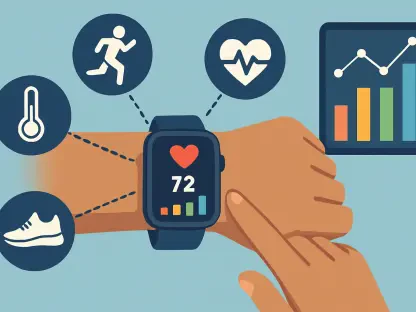

The WATCH D3’s ‘Health Glance’ function uses artificial intelligence to analyze long-term cardiovascular trends and provide actionable health data for its users. This specific innovation arrived at a time when the Philippines witnessed a significant surge in demand for wearable technology that transcends simple step counting and basic sleep tracking. Huawei solidified its position as the global leader in wrist-worn device shipments throughout the first half of 2026, capturing more than twenty percent of the international market share while maintaining a dominant presence in the Southeast Asian sector. This momentum served as the primary backdrop for the local debut of the WATCH GT 7 Series and the WATCH D3, two distinct product lines designed to meet diverse consumer needs. While the GT 7 targeted those seeking a blend of high-performance sports tracking and premium aesthetics, the D3 focused on clinical-grade health monitoring. By integrating AI-driven diagnostics into sleek hardware, the company addressed a critical gap in the market for reliable medical tools.
High-Performance Fitness and Aerospace Materials
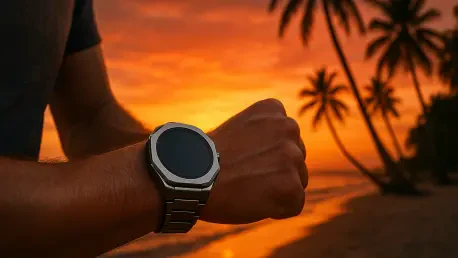
Engineered for durability in demanding environments, the WATCH GT 7 Series utilized an aerospace-grade titanium alloy body that provided exceptional strength without adding unnecessary weight to the wrist. The designers opted for a distinctive octagonal geometry that distinguished the device from traditional circular smartwatches, creating a modern silhouette that appealed to both athletes and professionals. To ensure comfort during high-intensity physical activities, the ‘EasyCross’ strap system allowed for a secure yet flexible fit that minimized skin irritation. This emphasis on material science reflected a broader industry shift toward using industrial-grade components in consumer electronics to extend product lifespans and reliability. By combining these rugged materials with a refined finish, the device transitioned seamlessly from a rigorous morning workout to a formal corporate setting. Such versatility proved essential for users who demanded a single wearable capable of handling diverse daily schedules with ease.
Technological advancements within the GT 7 Series included the Accurate Sunflower Positioning System, which utilized AI-XDR Positioning to significantly improve location accuracy during outdoor training sessions. This system addressed common GPS interference issues found in dense urban environments or heavily forested areas, ensuring that runners and cyclists received precise distance data. The device supported over one hundred unique workout modes, ranging from traditional gym exercises to niche outdoor pursuits, all managed through an AI-powered coaching interface. Beyond tracking, the hardware boasted an impressive battery life of up to twenty-one days, a feat achieved through efficient power management algorithms and a high-capacity internal cell. Users benefited from the TruSense system, which monitored physical readiness by analyzing sleep patterns, heart rate variability, and stress levels. These features collectively positioned the series as a comprehensive tool for those prioritizing physical optimization and data.
Cardiovascular Health: Strategic Market Implementation
In contrast to the broader fitness focus of its counterpart, the Huawei WATCH D3 functioned as a specialized medical-grade tool primarily dedicated to blood pressure management and cardiovascular health. It featured a significantly slimmer profile of just 11.3mm, making it far more comfortable for continuous wear than previous iterations of blood pressure watches. The core innovation of this model was the wrist-based Ambulatory Blood Pressure Monitoring system, which allowed for 24-hour tracking without the need for traditional, bulky arm cuffs. Huawei engineers refined the inflation technology to reduce the number of necessary daily air migrations from twenty-seven down to just seven, making the monitoring process virtually unnoticeable for the wearer. This reduction in physical disruption encouraged better compliance with long-term health tracking goals. The use of an ultra-narrow airbag strap ensured that the pressure remained localized and accurate during readings, providing high-quality medical data.
Beyond cardiovascular tracking, the WATCH D3 incorporated CE-certified Electrocardiogram features to detect irregularities in heart rhythm. These sensors worked in tandem with the TruSense architecture to provide research-backed insights into risks associated with diabetes and coronary heart disease. This transition toward medical-grade wearables suggested that personal health data would become increasingly central to preventative medicine. Huawei incentivized the Philippine launch through tiered promotional offers, including substantial discounts for early adopters on major e-commerce platforms like Shopee and Lazada. These financial strategies successfully lowered the barrier to entry for advanced health monitoring tools. Moving forward, consumers were encouraged to evaluate their specific needs—whether they required the rugged athletic capabilities of the GT 7 or the specialized cardiac focus of the D3—to maximize their long-term wellness investment. Individuals prioritized these tools for proactive management.