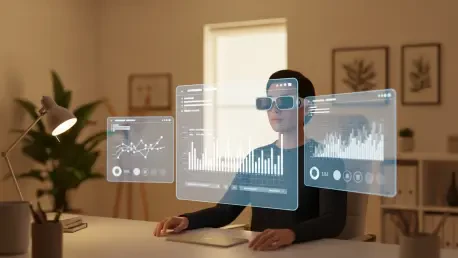

For the first time in the history of wearable computing, the sight of people navigating city streets with digital overlays shimmering before their eyes has ceased to be a cause for double-takes. This transition from a niche hobby for tech enthusiasts into a mainstream consumer staple has been facilitated by a unique convergence of manufacturing efficiency and strategic software partnerships. After years of experimental designs that often felt like cumbersome prototypes or enterprise-only tools, augmented reality glasses have reached a level of maturity that finally rivals the ubiquity of traditional smartphones. This shift is not merely about a single technological breakthrough but represents a broader evolution in how digital information is consumed within the physical world. By prioritizing lightweight materials and ergonomic designs, manufacturers have effectively addressed the comfort issues that previously hindered long-term daily usage. The industry has moved beyond the “wow factor” and is now focused on the practical integration of digital data into the fabric of everyday life, ensuring that these devices serve as essential tools for navigation and productivity.
Breaking the Price Barrier: Unifying the Software Ecosystem
Cost has historically served as the most significant hurdle for broad consumer adoption, but the entry of aggressive new models in 2026 has effectively dismantled this obstacle. The introduction of devices such as the Xreal A01, which launched at a highly competitive $299 price point, has shifted the conversation from luxury investment to an accessible impulse purchase. This pricing strategy places sophisticated augmented reality hardware on par with mid-range mobile devices, making it a viable option for a much wider demographic. By streamlining internal components and leveraging mass-production techniques, manufacturers have managed to preserve core optical quality while shedding the excessive costs associated with early-stage development. This democratization of the technology ensures that the benefits are no longer restricted to high-income early adopters, but are instead available to students and office workers. The secondary market also plays a role, with refurbished units like the Viture Luma Pro providing even more affordable entry points for budget-conscious consumers looking to explore the spatial computing landscape.
While hardware affordability is essential, the long-term viability of augmented reality depends heavily on a cohesive software environment that provides genuine utility. The collaboration between Xreal and Google represents a pivotal milestone in this regard, specifically through the implementation of Project Aura and the specialized Android-XR platform. This partnership has allowed for the native integration of ubiquitous tools such as Google Maps and AI-driven informational overlays directly within the user’s primary field of vision. Instead of relying on clunky, third-party workarounds, users can now experience seamless navigation and real-time data retrieval that feels like a natural extension of their existing digital lives. By bringing the familiar Android ecosystem to wearable displays, the industry has bridged the gap between traditional mobile computing and spatial computing. This integration ensures that the learning curve for new users is minimal, as they are already accustomed to the interface and services provided by these established platforms. The unified environment also encourages developers to create cross-compatible apps that add value to the experience.
Specialized Performance: The Shift to Traditional Retail
While budget-conscious models are attracting the general public, the industry has also developed specialized high-performance hardware for demanding enthusiasts who require peak technical specifications. The Asus ROG Xreal R1 is a prime example of this trend, targeting the competitive gaming community with high-refresh-rate panels that virtually eliminate input lag and motion blur. This level of performance is critical for gamers who use these glasses as a companion for portable consoles or high-end gaming laptops, where every millisecond of responsiveness counts. Simultaneously, media-focused devices like the Viture Beast have pushed the boundaries of optical clarity and field of view to satisfy cinema lovers who want a portable theater experience. These headsets prioritize image density and color accuracy, providing a visual experience that rivals high-end home systems while remaining compact enough for a backpack. By addressing the specific needs of gamers and media consumers, manufacturers have ensured that augmented reality is seen not just as a tool for basic productivity, but as a premier platform for high-quality entertainment.
To achieve true mainstream status, manufacturers successfully moved the sales experience from tech-centric websites to traditional retail channels like Warby Parker. This shift allowed augmented reality glasses to be sold in local optical shops where people were already comfortable shopping for frames, simplifying the process of adding prescription lenses. By focusing on a “frames-first” design philosophy, the industry prioritized human fashion and physical comfort over raw technical specifications. Manufacturers finally overcame the social stigma of earlier devices by creating lightweight, stylish frames that were indistinguishable from standard glasses. Looking ahead, the next steps involved refining miniaturized components and expanding localized, AI-driven applications. To maintain this growth, organizations fostered deeper collaborations between hardware engineers and fashion designers. Sustaining this momentum required a commitment to user privacy and data security, which remained primary considerations for developers as these devices became more deeply integrated into the private lives of consumers.