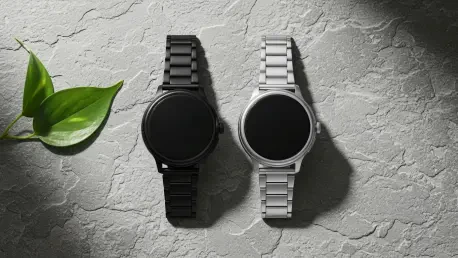

Finding a balance between cutting-edge technology and monthly budget constraints often feels like a complex puzzle when carriers offer high-value hardware for seemingly no cost at all. This specific promotion highlights the current trend of mobile service providers using premium wearables as incentives to secure long-term subscriber loyalty. T-Mobile has positioned the Samsung Galaxy Watch 8 as a primary draw for consumers looking to upgrade their digital ecosystem without paying the full retail price upfront.
This article examines the fine print of the current offer to determine if the hardware subsidy outweighs the mandatory service obligations. Readers will gain a clear understanding of the eligibility requirements, the technical specifications of the devices involved, and the financial implications of the twenty-four-month commitment. By exploring these facets, consumers can make an informed decision about whether this promotion aligns with their communication needs and lifestyle preferences.
Key Questions or Key Topics Section
What specific requirements must be met to secure the free Galaxy Watch 8?
Securing a high-end wearable through a carrier often involves more than just a simple trade-in or a signature. To qualify for this specific Samsung promotion, customers must activate a new line of service specifically for the wearable device. The required tier is the T-Mobile Watch Plan Plus, which serves as the gateway to the hardware subsidy. This plan provides unlimited talk, text, and data, ensuring the watch remains functional even when the paired smartphone is out of range.
The monthly cost for this service sits at fifteen dollars when AutoPay is enabled, though it increases to twenty dollars for those who prefer manual billing. Beyond the monthly service fee, a one-time device connection fee of thirty-five dollars is charged at the time of purchase. This initial cost, combined with the recurring monthly service obligation, represents the true entry point for obtaining the device.
How does the financial structure of the twenty-four-month credit system function?
The term free is frequently used in marketing, but the underlying mechanism is a structured credit system designed to prevent early cancellation. T-Mobile covers the full three hundred ninety-nine dollar and ninety-nine cent retail value of the 40mm Galaxy Watch 8 by applying twenty-four consecutive monthly bill credits. Each credit amounts to sixteen dollars and sixty-seven cents, effectively neutralizing the hardware payment on each statement.
If a customer decides to cancel the service or switch carriers before the two-year period concludes, the remaining balance on the watch becomes due immediately. This financial arrangement ensures that the carrier recovers the cost of the hardware through service revenue over time. Consequently, the deal functions less like a gift and more like a zero-interest loan that is forgiven if the user remains a loyal subscriber for the full duration of the contract.
What technical capabilities define the performance of the Galaxy Watch 8?
A promotional device is only valuable if its performance meets the demands of modern software and fitness tracking. The Galaxy Watch 8 features a 1.34-inch display and is powered by a high-efficiency 3nm Exynos 1000 processor. This hardware configuration, paired with 2GB of memory and 32GB of internal storage, allows for a smooth user experience when navigating Wear OS or utilizing third-party applications for health monitoring and communication.
While the processing power is significant, the battery remains a primary consideration for daily use. Most users can expect the device to require a charge every twenty-four hours under normal conditions, although a specialized standby mode can extend the life of the battery for up to three days. This balance of power and efficiency ensures that the watch serves as a robust companion for both professional productivity and wellness tracking throughout the week.
Are there alternative options available for those within the Apple ecosystem?
For individuals who are already integrated into the iOS environment, a Samsung-focused deal might lack utility. T-Mobile addresses this by offering a secondary path that provides a three hundred dollar discount toward the purchase of an Apple Watch Series 11. This alternative reduces the cost of the 42mm model to one hundred ninety-nine dollars and ninety-nine cents, while the 46mm variant is priced at two hundred twenty-nine dollars and ninety-nine cents.
These Apple devices come equipped with the S10 processor and 64GB of storage, offering double the capacity of their Samsung counterparts. Choosing this route still requires the same Watch Plan Plus subscription, meaning the monthly service costs remain identical. This flexibility allows users to select the hardware that best fits their existing smartphone without missing out on the substantial subsidies provided by the carrier.
Summary or Recap
The current T-Mobile promotion reflects a calculated strategy to increase the adoption of premium data plans by subsidizing flagship hardware. The Galaxy Watch 8 serves as a powerful incentive, offering advanced processing and deep integration with Android devices. However, the value of the free hardware is intrinsically linked to a twenty-four-month service commitment that totals several hundred dollars over the life of the agreement.
The inclusion of an Apple Watch Series 11 discount ensures that the promotion reaches a broader audience, regardless of their preferred operating system. Both options provide international benefits, including high-speed data in Canada and Mexico, alongside connectivity in hundreds of other destinations. These features make the plans particularly attractive for frequent travelers who require consistent access to notifications and navigation tools without the hassle of local SIM cards.
Conclusion or Final Thoughts
The decision to pursue a subsidized wearable required a careful assessment of long-term utility versus the immediate gratification of a new gadget. Consumers found that the true cost of the device was hidden within the monthly service fees rather than the sticker price. Moving forward, potential buyers should analyze their actual data usage patterns to see if a premium watch plan truly adds value to their daily routine or if it simply adds an unnecessary line to their monthly budget.
As hardware cycles became more incremental, the importance of carrier flexibility grew. Those who prioritized freedom of movement between networks often realized that paying for a device upfront provided more leverage in the long run. Ultimately, the promotion functioned as a bridge for many users to access high-end health and connectivity tools that might have otherwise remained out of financial reach. Evaluating these trade-offs became the essential final step before committing to a two-year billing cycle.