
The emergence of the Google Pixel Watch 5 marks a definitive transition in the wearable technology market, shifting the device from a passive notification hub to a proactive personal assistant. Unveiled during the high-profile Pixel 11 event in New York City on August 12, this latest iteration of the Wear OS flagship arrived with a clear mission: to create a seamless synergy between hardware and advanced artificial intelligence. With pre-orders commencing immediately and a full retail launch set for August 20, the rollout represents Google’s most aggressive attempt to capture the attention of both tech enthusiasts and luxury watch buyers. A highlight of the season is the Steph Curry Special Edition, scheduled for early September, which caters specifically to the sports demographic with rugged materials and exclusive branding. By positioning this device as the ultimate companion for the Pixel 11 Pro, the manufacturer aims to solidify its standing against competitors like the Samsung Galaxy Watch 9 and the Xiaomi Watch 5.
Hardware Innovations and Aesthetic Choices
Engineering for Longevity: The Actua 360 Display
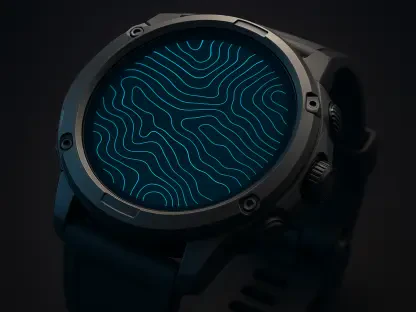
The physical design of the device maintains the iconic circular and domed aesthetic that has become synonymous with the brand, yet it introduces a revolutionary “Actua 360” display system. This screen was not developed solely for its vibrant visual output but was specifically engineered to address growing demands for sustainable and repairable technology. By rethinking how the glass integrates with the chassis, the manufacturer significantly simplified the process of screen replacement, an area where many manufacturers still struggle. This engineering choice reflects a shift in priority toward eco-conscious consumers who value longevity over disposable trends. Furthermore, the glass itself features improved resistance to micro-scratches and impact, providing a layer of security for users who transition frequently between professional and active environments. The integration of high-refresh rates ensures that every interaction feels incredibly smooth, matching the fluid animations of the updated operating system perfectly.
Beyond the screen, a notable change in the physical architecture involves the relocation of the charging contacts to the side of the device. This shift was motivated by the desire to improve the daily user experience, making the ritual of powering up the watch more intuitive and reliable than the previous centered layouts. The new positioning allows for more secure engagement with the magnetic chargers, reducing the likelihood of a misaligned connection that results in an empty battery by morning. Additionally, this redesign contributes to a slimmer overall profile on the wrist, enhancing comfort during long-term wear or while sleeping. The ergonomic adjustments extend to the crown and side button, which provide a more tactile response and better resistance to accidental presses during intense physical activity. These subtle refinements demonstrate a commitment to hardware maturity, acknowledging that small details often dictate the long-term satisfaction for those who use their technology continuously throughout the day.
Performance Metrics: Processing Power and Visual Diversity
Beneath the polished exterior, the internal hardware delivers a substantial 20% increase in processing speed compared to previous iterations. This performance boost is not just a statistical claim; it translates directly into a snappier interface that remains responsive even when the device is burdened with complex background tasks. Much of this power is directed toward managing the sophisticated artificial intelligence layers that now operate locally on the wrist. By offloading these calculations to a more efficient chipset, the device maintains low latency when launching applications or processing voice commands. This architectural efficiency also plays a critical role in preserving battery life, as the processor can cycle into low-power states more effectively during periods of inactivity. For users who rely on their watch for navigation or real-time translation, the increased bandwidth ensures that data is processed without the stuttering or delays that often plague lower-end wearables.
The aesthetic options for this generation have expanded significantly, presenting a color palette that mirrors the sophisticated tones of the Pixel 11 phone series. Consumers can choose from finishes such as Obsidian and Fog, or opt for the more adventurous Pyrite-encased Olive, which offers a unique depth of color that shifts slightly depending on the lighting conditions. The 45mm Steph Curry Special Edition stands out as a particularly bold choice, featuring a distinctive orange and grey sweat-wicking band specifically tailored for high-intensity movement on the basketball court or in the gym. This edition is not just a cosmetic package; it includes exclusive watch faces and workout tracking modes designed in collaboration with professional athletes to provide more granular data during sport-specific training. By offering these diverse styles, the manufacturer ensures that the watch appeals to a broad demographic, from corporate professionals to dedicated athletes who require a rugged and highly visible piece of equipment.
Intelligence and Health Monitoring
Integrated Wellness: Tracking and Emergency Safety
The health monitoring suite has undergone a complete overhaul with the integration of the revamped Google Health app and the Fitbit Air ecosystem. The cornerstone of this updated experience is the “Readiness Score,” a metric that utilizes a complex algorithm to analyze sleep patterns, recent exertion, and heart rate variability. Instead of simply providing raw data, the system offers actionable insights by informing the user whether their body is prepared for a grueling workout or if it requires an additional recovery day. This shift toward recovery-focused data places the device on equal footing with specialized fitness trackers that prioritize strain management over simple step counting. By synthesizing multiple data points into a single, easy-to-understand score, the platform empowers users to make more informed decisions about their physical well-being. This proactive approach to health tracking reflects a broader industry trend where wearables act as wellness consultants rather than passive observers.
Safety features and sleep monitoring have also seen considerable upgrades, with the “Loss of Pulse Detection” feature being a primary focus for the US market at launch. This technology uses advanced sensors to monitor heart activity and can automatically contact emergency services if it detects a critical cardiac event. For outdoor enthusiasts and competitive runners, the improved dual-frequency GPS offers significantly better accuracy when tracking pace and distance, particularly in dense urban environments where buildings can obstruct traditional signals. Sleep tracking now includes “bedtime automations” that sync with the user’s home environment to minimize digital distractions and promote better rest cycles. Furthermore, the inclusion of breathing monitoring helps to detect potential overnight health issues, providing a comprehensive “Morning Brief” delivered upon waking. This summary gives a clear overview of the night’s rest and any physiological changes, ensuring that the wearer begins their day with a complete understanding of their health.
Cognitive Computing: AI Integration and Strategic Positioning
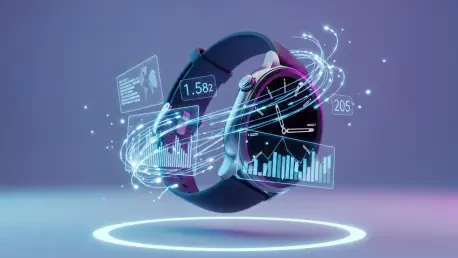
The most striking software advancement arrives in the form of Gemini Intelligence, a proactive artificial intelligence layer that transcends the capabilities of traditional voice assistants. While this version is optimized for the constraints of a wearable device, it maintains the ability to look across various applications to retrieve pertinent information such as dinner recipes, flight times, or meeting locations. This contextual awareness is designed to reduce the friction of interacting with a small touchscreen, allowing users to execute complex tasks through natural language or predictive suggestions. For instance, if the watch detects an upcoming appointment, it might proactively suggest a transit route or provide a summary of relevant email threads. This level of integration makes communication and data retrieval feel almost effortless, transforming the device into a genuine digital assistant. By focusing on intent rather than just command execution, the AI makes the smartwatch a more valuable tool for navigating a busy lifestyle.
The shift toward a more integrated and intelligent wearable ecosystem was ultimately realized through the strategic release of this hardware generation. Consumers who adopted the device found that the true value resided in the seamless synthesis of Fitbit health metrics and real-time AI processing. It was established that the tiered pricing, ranging from $399 to $579, reflected a commitment to the premium luxury segment rather than the budget market. Early users took advantage of the “Readiness Score” to optimize their training schedules, while professionals utilized the Gemini layer to streamline their communication without reaching for a smartphone. For those seeking to maximize their investment, it was recommended to prioritize models with LTE connectivity to ensure complete independence from mobile devices during travel or exercise. The resulting impact on the industry demonstrated that proactive health interventions and contextual AI awareness were no longer experimental features but essential components of a modern, sophisticated smartwatch experience.