
The arrival of IFA 2026 has transformed Berlin into a high-tech runway where Motorola is currently showcasing a collection that effectively blurs the lines between functional electronics and high-fashion accessories. This specific exhibition serves as a significant turning point for the brand, as it moves away from the traditional focus on internal specifications toward a more holistic, sensory-driven user experience. By merging the precision of material science with the expertise of lifestyle partners like Pantone and Polar, the company is attempting to capture the attention of a consumer base that views mobile technology as a primary expression of personal identity. This article explores the various perspectives from tech reviewers and fashion critics who have had hands-on time with the new lineup, which includes the Edge 70 Plus and a Swarovski-encrusted Razr.
Redefining the Premium Mobile Experience Through Lifestyle Integration
The Berlin trade show serves as a litmus test for global consumer trends, and this year, the emphasis has shifted decisively away from pure hardware dominance. Motorola has utilized this stage to present a narrative where smartphones are no longer isolated tools but integral parts of a curated lifestyle. This significance stems from a growing consumer exhaustion with incremental speed updates, favoring instead devices that reflect personal taste through sophisticated materials and strategic brand collaborations. Analysts suggest that this pivot is essential for maintaining relevance in a saturated market where brand loyalty is increasingly driven by emotional and aesthetic connections.
Industry observers have noted that the current strategy reflects a deeper understanding of how modern consumers interact with their devices on a physical level. Rather than just offering a choice of color, the manufacturer is providing a choice of texture and durability that caters to specific use cases and stylistic preferences. This preview of the upcoming hardware indicates a focus on longevity, not only in terms of battery life but also in terms of timeless design. The following sections will detail how these various elements coalesce into a portfolio that challenges the status quo of the premium mobile segment.
The Edge 70 Plus and the Evolution of Tactile Sophistication
Harmonizing Material Science With Pantone Aesthetic Precision
The Edge 70 Plus has emerged as a centerpiece of the current lineup, primarily due to its innovative use of texture and color. By collaborating with Pantone, the brand has introduced four distinct hues: Mountain View, Gray Lilac, Milky Blue, and Sage. However, reviewers have quickly pointed out that the color selection is more than just a visual choice; it dictates the actual physical material of the phone. For instance, the Mountain View variant features a smooth, silk-inspired finish that provides a high-end, glass-like sensation, while the Gray Lilac utilizes an acetate finish that feels distinctly warmer and more organic to the touch.
Some tech enthusiasts have debated whether these material differences might alienate users who like a specific color but prefer a different texture. Hands-on reports suggest that the Milky Blue and Sage options, which feature a “soft-luxe” finish, offer the highest level of grip, making them more practical for one-handed use. In contrast, the silk-inspired and acetate finishes are being praised by fashion critics for their elegance, even if they are slightly more prone to sliding on flat surfaces. This variety highlights a shift toward hyper-personalization, where the physical feel of the phone is treated with the same importance as its software interface.
Engineering Longevity via Massive Battery Capacity and Durable Architecture
Beyond its exterior, the Edge 70 Plus is gaining attention for its substantial internal engineering, specifically its 6,500mAh battery. Technical reviewers have highlighted this capacity as a major achievement, especially given the phone’s “quad-curved” design that keeps the device feeling remarkably thin. Motorola claims this battery provides up to 42 hours of talk time, a statistic that has been met with optimism by power users who are tired of daily charging cycles. Furthermore, the inclusion of bypass charging allows gamers and heavy streamers to power the phone directly without degrading the battery, addressing long-term durability concerns.
The hardware is protected by an architecture that meets MIL-STD-810H standards, ensuring it can withstand extreme temperatures and environmental stressors. While the Snapdragon 7s Gen 3 processor is categorized as a mid-range chipset, the addition of virtual RAM expansion up to 24GB ensures that the multitasking experience remains fluid. However, some photographers have expressed concern regarding the 2MP macro sensor, noting that it feels somewhat outdated next to the massive 200MP main camera. This contrast suggests that the design team prioritized battery volume and primary sensor quality over a more versatile secondary lens array.
Bridging High Fashion and Foldable Tech With the Swarovski Razr 70
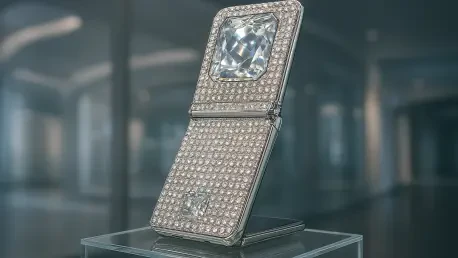
The introduction of the Razr 70 Swarovski edition as part of the “Brilliant Collection” has sparked a conversation about the role of luxury in consumer electronics. This limited-edition foldable features 35 hand-positioned Swarovski crystals scattered across a quilted soft-luxe rear panel. The most notable design element is a 32-facet crystal embedded directly into the hinge mechanism, which catches the light during the opening and closing of the device. Fashion analysts suggest that this turns the phone into a piece of evening-wear jewelry, effectively targeting a high-fashion demographic that the tech industry has often struggled to reach.
Critics of luxury tech often argue that such embellishments are superficial, yet early impressions of the Swarovski Razr suggest that the build quality remains uncompromising. The device retains the high-performance Extreme AMOLED folding screen and the functional 3.6-inch external display of the standard model. This ensures that the aesthetic luxury does not come at the expense of utility. By positioning the Razr 70 as a fashion accessory, Motorola is challenging the assumption that foldable phones are purely for tech enthusiasts, moving the category closer to the world of luxury goods and personal style.
Strategic Partnerships and the Expansion Into High-Performance Wearables
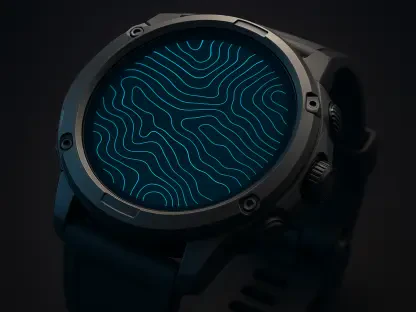
The Motorola Watch Ultra represents a serious move into the high-performance wearable market through a strategic partnership with Polar. Unlike previous iterations, this watch integrates Polar’s professional-grade fitness algorithms, such as “Nightly Recharge” and “Energy Sources,” which offer a level of physiological insight usually reserved for dedicated sports watches. Fitness experts have specifically praised the “Energy Sources” feature for its ability to break down how the body utilizes different fuel types during exercise. This integration provides a compelling reason for athletes to consider the brand within a competitive smartwatch landscape.
The watch itself is built for durability, featuring a stainless-steel case and Gorilla Glass 3 protection, alongside IP68 and 5ATM water resistance. With LTE and eSIM support, it functions as a standalone communication device, allowing users to leave their smartphones behind during runs or workouts. The inclusion of Google’s Wear OS and the Snapdragon W5+ Gen 1 platform ensures a smooth interface and broad app compatibility. While some have noted that the 46mm size may be intimidating for those with smaller wrists, the overall reception has been positive, highlighting the watch as a robust alternative for those seeking pro-level health analytics.
Navigating the Shift Toward Design-Centric Consumer Electronics
The collective insights from IFA indicate that the consumer electronics industry is undergoing a significant transition where the “emotional ergonomics” of a device are becoming a primary selling point. Manufacturers are no longer just competing on megahertz and gigabytes; they are competing on how a device complements the user’s lifestyle and physical comfort. For industry strategists, the takeaway is that a successful product must offer a seamless blend of aesthetic distinction and practical durability. This involves adopting materials that feel premium yet are resilient enough to handle the rigors of daily use without requiring a protective case that hides the design.
Actionable strategies for this new era involve leaning into specialized partnerships that bring external expertise into the tech ecosystem. Whether it is the color precision of Pantone or the physiological insights of Polar, these collaborations provide a layer of credibility that a hardware manufacturer cannot achieve alone. For the consumer, this shift means that the next generation of electronics will likely be more diverse in appearance and more specialized in function. Choosing a device is becoming less about finding the fastest processor and more about finding the one that resonates with one’s personal aesthetic and functional requirements.
The Future of the Motorola Ecosystem in a Competitive Global Market
The comprehensive showcase at IFA demonstrated a clear intent to move the brand toward a more premium and design-focused position in the global market. By focusing on sensory details like the texture of the Edge 70 Plus and the visual brilliance of the Swarovski Razr, the company succeeded in differentiating its products from a field of often indistinguishable competitors. This strategy suggested that the value of a smartphone is increasingly measured by the quality of the interaction it facilitates and the personal statement it makes. The integration of high-performance wearables further solidified the idea of a cohesive, lifestyle-oriented ecosystem that caters to both fashion and fitness.
Ultimately, the positive reception of these diverse offerings indicated that there is a significant appetite for technology that does not look or feel like a standard industrial tool. The move to include massive battery capacities alongside luxury materials addressed the common trade-off between style and substance, proving that both can exist within a single device. As the mobile landscape continues to evolve, the emphasis on material innovation and strategic lifestyle partnerships will likely remain a key driver of brand distinction. This approach has provided a compelling roadmap for how technology can be woven more naturally and elegantly into the fabric of daily life.