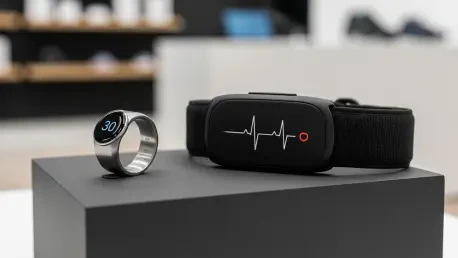

The intersection of aggressive retail cycles and a surge in next-generation hardware releases has created a unique window of opportunity for health-conscious consumers. As manufacturers prepare for the mid-year refresh of their flagship lines, the inventory of previous-generation models has become a focal point for savvy shoppers looking for high-end performance at entry-level costs. This phenomenon is not merely a seasonal clearance event but rather a reflection of a maturing industry where the functional differences between two consecutive release cycles are becoming increasingly incremental. Consequently, the value proposition of a flagship device from the previous cycle often exceeds that of a brand-new release, especially when software updates continue to bring the latest algorithms to older heart rate sensors and GPS modules. This shift has turned the wearable market into a competitive battleground where the winners are those who prioritize long-term utility over the prestige of owning the absolute latest model.
Specialized Recovery and Screenless Technology
The Rise of Physiological Strain Trackers
The shift toward screenless wearables represents a fundamental change in how users interact with their personal health data, moving away from the constant buzz of notifications and toward deep introspection. Brands like Whoop have capitalized on this trend by offering devices that prioritize deep physiological insights, such as heart rate variability and respiratory rate, over the traditional features of a standard smartwatch. The Whoop 5.0 “Peak” bundle has recently emerged as a standout value proposition, offering a comprehensive entry into the ecosystem at a price point that makes premium data more accessible than ever. This specific model focuses on the concept of “strain,” a metric that balances physical exertion with recovery capacity, allowing athletes to tailor their training sessions based on real-time readiness. By removing the screen, these devices eliminate the temptation to check digital pings during a workout, fostering a more mindful approach to fitness that aligns with modern wellness philosophies emphasizing mental focus and physiological recovery.
Furthermore, the integration of these screenless trackers into a broader health ecosystem has forced a rethink of how data is presented to the user. Instead of a tiny wrist-based interface, the emphasis has shifted to powerful mobile applications that utilize artificial intelligence to interpret complex biometric trends over several weeks. The current market sees these devices as essential tools for high-performance individuals who require a discreet way to monitor stress and recovery without the bulk of a traditional watch. As more users experience “notification fatigue,” the demand for distraction-free hardware continues to rise, leading to more aggressive pricing on older screenless models. This trend is particularly beneficial for those who already own a luxury analog timepiece but still want the benefits of 24/7 health monitoring. The competitive landscape has pushed manufacturers to offer more flexible subscription tiers and hardware bundles, ensuring that the barrier to entry for elite-level recovery data is lower than it has been in several years.
Precision Over Convenience: The Heart Rate Standard
While wrist-based sensors have improved significantly, the industry still looks to chest straps and specialized armbands for the gold standard in heart rate accuracy. Polar continues to maintain its dominance in this niche, with the #0 chest strap remaining the benchmark against which all other heart rate monitors are measured. During the current transition to newer hardware, the #0 and its more comfortable sibling, the Verity Sense, have seen price adjustments that make them highly attractive for serious athletes. The #0 utilizes electrical signals rather than optical sensors, providing a level of precision that is necessary for interval training and high-intensity sports where rapid changes in heart rate occur. The Verity Sense offers a middle ground, using high-quality optical sensors on the arm to provide a more comfortable experience without sacrificing much in the way of data integrity. These devices are often used in tandem with more feature-rich smartwatches to provide a complete picture of an athlete’s performance during their most demanding sessions.
The longevity of these specialized sensors is a testament to the fact that core biometric technology does not need to be refreshed every year to remain relevant. A chest strap from several cycles ago remains just as accurate today, provided the firmware is kept up to date and the strap itself is maintained. This durability allows consumers to invest in professional-grade equipment without the fear of immediate obsolescence that often accompanies the purchase of a more general smartwatch. Moreover, the open nature of these sensors means they can be paired with a wide variety of third-party apps and equipment, from Peloton bikes to professional cycling computers. This cross-platform compatibility ensures that the hardware remains useful even if a user decides to switch their primary fitness tracking ecosystem. As the market for specialized recovery tools grows, the focus on accuracy over aesthetic fluff has created a stable environment for those who value data precision above all else.
Disruptive Trends in Form Factors
Smart Rings and Premium Aesthetics
The smart ring sector has rapidly become one of the most fiercely contested areas of the wearable market, driven by the desire for a form factor that is both unobtrusive and stylish. The launch of the Oura Ring 5 has naturally triggered a significant price drop for the Oura Ring 4, making it a prime target for those who want a premium aesthetic without the premium price tag. High-end finishes like gold and rose gold, which were once positioned as luxury exclusives, are now being discounted to move inventory and make room for the newer iterations. These rings pack an incredible amount of technology into a tiny space, including infrared sensors for heart rate, blood oxygen monitors, and skin temperature sensors. The data collected by these rings is often used to predict illness or track menstrual cycles with a high degree of accuracy, making them a popular choice for health tracking that feels more like jewelry than a piece of tech equipment.
As the market expands beyond the early leaders, competitors like RingConn are introducing innovative features to differentiate themselves and gain market share. Some of these newer rings now include specialized algorithms for headache detection and advanced battery management systems that allow for up to eight days of use on a single charge. This competition is driving down prices across the board, proving that the ring market is no longer a one-brand race and that consumers have a wealth of options at various price points. The focus has also shifted toward the durability of materials, with more brands adopting titanium and scratch-resistant coatings to ensure the longevity of the hardware. For many, the smart ring represents the ultimate compromise between the need for continuous health data and the desire for a minimalist lifestyle. As manufacturing processes become more efficient, the cost of these miniature sensors continues to fall, allowing even mid-range rings to offer features that were considered cutting-edge just a year ago.
Longevity in High-Performance GPS Watches
Garmin has long been the titan of the outdoor and endurance sports world, and its strategy of building rugged, long-lasting hardware has created a secondary market of high-value older models. Because Garmin watches are built to survive extreme conditions, a device that is one or two generations old still provides elite-level analytics and hardware reliability. The recent release of the newer Forerunner series has led to deep discounts on the 165 and 265 models, both of which feature high-resolution displays and dual-band GPS capabilities that were previously reserved for the most expensive professional models. For runners and triathletes, these watches provide everything needed for serious training, from suggested daily workouts to advanced running dynamics. The functional gap between these discounted models and the newest releases is often negligible for anyone other than the most demanding professional athletes, making them an ideal choice for the vast majority of fitness enthusiasts.
The premium end of the market is also seeing dramatic shifts, particularly with the Garmin Epix Pro (Gen 2) Sapphire Edition. Following the launch of the Fenix 8, this luxury watch saw its price cut nearly in half, offering a rare chance to own a device with a stunning AMOLED display and specialized features for niche activities like golf and sailing. Simultaneously, brands like Suunto are challenging the status quo by offering high-end features like dual-band GPS and offline maps at price points that undercut the traditional budget market. The Suunto Run has set a new benchmark for what consumers can expect for under $150, forcing other manufacturers to reconsider their pricing strategies for entry-level gear. This downward pressure on prices is a boon for consumers, as features that were once considered “pro-only” are now standard across almost all price brackets. The focus on hardware longevity means that these watches will continue to receive software updates and remain functional for years, providing a high level of security for any investment made in this category.
The Battle of the Ecosystems
Lifestyle Integration and Retail Competition
While specialized brands cater to the hardcore athlete, the broader consumer market is dominated by tech giants who seek to integrate health tracking into every facet of daily life. Apple and Samsung continue to lead this charge, using their massive ecosystems to create a seamless experience between the wrist and the smartphone. The Apple Watch Series 11 and Samsung Galaxy Watch 8 have both seen introductory price cuts as these companies battle for market share and user loyalty. Samsung has found success by offering “Classic” variants that appeal to those who prefer the look of a traditional timepiece, while Apple continues to refine its “Ultra” line for those who need more rugged capabilities. These watches are no longer just fitness trackers; they are communication hubs, digital wallets, and personal safety devices that can detect falls or car crashes and alert emergency services automatically.
This intense competition has also spilled over into the retail landscape, where major stores like Walmart and Best Buy are running parallel sales events to compete with direct-to-consumer platforms. This retail rivalry benefits the shopper by providing more choices in terms of extended warranties, bundle deals, and faster shipping options. Furthermore, the shift toward wifi-only models for many smartwatches has allowed for more aggressive entry-level pricing, drawing in users who might have been hesitant to commit to a monthly cellular plan. As health tracking becomes a standard feature of modern life, the ability of these devices to monitor everything from blood pressure to body composition has made them indispensable tools for proactive wellness. The data gathered by these ecosystems is increasingly being used in clinical settings, bridging the gap between personal fitness and professional healthcare. This integration ensures that even as the hardware prices drop, the value of the ecosystem remains high, keeping users engaged with the brand for the long term.
The Evolution of Display Technology and Accessibility
One of the most significant trends across the entire wearable industry is the universal transition toward AMOLED screen technology. The older, dimmer displays that were once necessary to preserve battery life have been replaced by vibrant, high-contrast screens that are easily readable even in direct sunlight. This improvement in display quality has fundamentally changed how data is consumed, allowing for more complex charts and detailed maps to be displayed directly on the wrist. Even budget-friendly models are now featuring these high-end screens, as the cost of manufacturing small-format AMOLED panels has plummeted. This democratization of display technology means that a low-cost tracker today often looks and feels more premium than a flagship device from a few years ago. This visual upgrade is a key factor in the current wave of upgrades, as users seek out hardware that feels modern and responsive.
The accessibility of high-quality fitness tech has reached a point where the “early adopter tax” is no longer a necessary burden for those who want a reliable experience. The functional maturity of sensors means that heart rate, blood oxygen, and GPS accuracy have reached a plateau where most users will not notice a difference between the 2025 and 2026 models. By focusing on recently replaced flagship units, buyers can access top-tier materials like sapphire glass and titanium frames at prices that were previously reserved for plastic-bodied entry-level devices. This strategic approach to purchasing allows individuals to build a personalized health monitoring system that is both highly accurate and financially sustainable. As the industry continues to evolve, the emphasis will likely remain on software refinements and specialized niche features, leaving the core hardware as a stable foundation for years of health and fitness tracking.
The analysis of the current market revealed that the most effective way to secure high-quality biometric data was to wait for the immediate aftermath of a flagship launch. Shoppers who avoided the initial excitement of the 2026 releases found that the hardware from the prior eighteen months offered nearly identical accuracy for a fraction of the cost. It became clear that focusing on sensor parity and software support cycles rather than aesthetic refreshes yielded the highest return on investment. The transition toward AMOLED displays and specialized recovery metrics provided a blueprint for how individuals could tailor their technology to specific health goals without overextending their budgets. Ultimately, the market favored those who treated technology as a long-term utility rather than a temporary trend, proving that the best time to buy was often when the spotlight moved elsewhere. Moving forward, consumers should verify the sensor generations and confirmed software update schedules before committing to a purchase to ensure their “last-gen” bargain remains relevant for the next several years of their fitness journey.