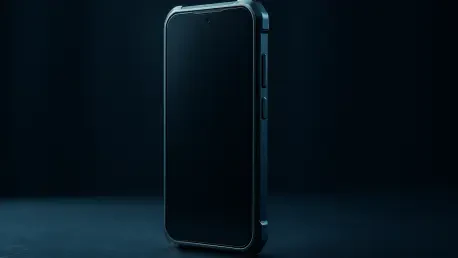

European consumers will find an 8,340mAh battery in the new Redmi Note 17 Pro, while the Indian variant receives an even larger 9,000mAh cell to support extended daily usage cycles. This specific hardware choice highlights a fundamental pivot away from the high-resolution imaging trends that dominated the mid-range segment over the last few years. While previous models focused heavily on massive megapixel counts and sophisticated zoom capabilities, the current release on September 17 signals a strategic focus on logistical endurance. This change caters to a demographic that prioritizes operational uptime over creative features, addressing a common pain point in the modern mobile experience. However, this transition comes with a noticeable reduction in camera hardware, as the 200MP sensor from earlier generations has been replaced by more modest alternatives. By emphasizing battery life, the manufacturer is redefining what value means in 2026, moving away from a “jack-of-all-trades” approach to a more specialized utility tool for the modern consumer. This shift is particularly striking when considering the competitive landscape where rivals continue to push for optical excellence, suggesting that the brand is confident that power reliability is the most critical factor for its core user base in the current economic climate.
Shifting Priorities in the Mid-Range Market
Battery Dominance: The New Engineering Standard
The introduction of the Redmi Note 17 Pro Max, which replaces the previous “Pro Plus” designation, further pushes these boundaries by offering up to a 10,000mAh battery paired with 100W wired charging. This combination aims to provide over 22 hours of active use, a benchmark that sets a new standard for longevity in the high-capacity segment. Despite the massive size of the energy cells, the 100W charging system ensures that users are not tethered to a wall for excessive periods, maintaining a reasonable balance between capacity and recovery time. However, the physical implications of such large batteries cannot be ignored, as the device is significantly heavier and thicker than its predecessors. This engineering trade-off emphasizes a specific lifestyle choice: the freedom to go multiple days without a charge at the cost of ergonomic sleekness. While the Active Use Score is impressive, the impact on internal space has forced the removal of dedicated telephoto lenses, a move that may alienate photography enthusiasts. Building on this foundation, the device seeks to dominate the productivity niche, where consistent power is more valuable than artistic versatility, marking a permanent change in how high-tier hardware is marketed to global audiences.
Future Considerations: Performance Bottlenecks and Economic Costs
Performance benchmarks for the Pro Max variant revealed that the Snapdragon 6 Gen 5 chipset, while efficient, created a storage bottleneck that limited UFS 4.0 speeds to UFS 3.x levels. This technical limitation, combined with a significant price increase to $500 in some markets, challenged the traditional value proposition of the series. Consumers looking for raw speed or high-end photography found the trade-offs difficult to justify when compared to performance-centric alternatives like the Poco X8 Pro. Moving forward, the most effective approach for potential buyers involved weighing the logistical benefits of extreme battery life against the diminished returns in processing power and camera resolution. Strategic recommendations suggested that users who prioritized long-term reliability and heavy communication should have embraced this shift, while those requiring high-speed gaming were better served by exploring hardware with more balanced specifications. The market trajectory from 2026 onward indicated that specialization, rather than general excellence, became the new competitive frontier for global mobile manufacturers. Decisions made by early adopters helped signal whether the industry would continue to prioritize energy density over the processing finesse seen in competing silicon designs.