


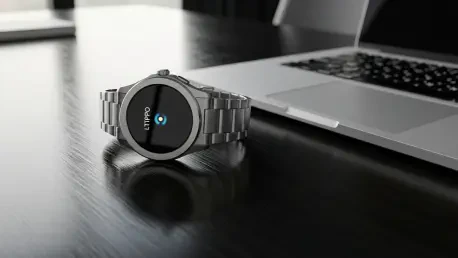

Smartwatches often compromise between luxury and resilience, but the OnePlus Watch 4 attempts to bridge this gap with a refined aesthetic and a robust build designed for the modern professional. The shift to titanium represents a significant pivot toward high-end status, justifying the investment for those seeking a device that handles both office environments and rugged terrain.
By addressing the demand for a stylish yet durable flagship, this iteration tackles the common industry challenge of balancing weight with structural integrity. It serves as a statement piece that does not sacrifice performance for its premium facade, making it a competitive choice in a crowded market.
A Closer Look at Features and Design Innovation
Premium Titanium Construction and Rugged Certifications
The all-titanium case is available in Evergreen and Midnight finishes, providing a sophisticated look that remains remarkably lightweight. This construction is backed by MIL-STD-810H military-grade durability and specialized seawater corrosion resistance for marine activities.
Furthermore, the device carries IP68 and IP69 ratings, ensuring maximum protection against dust and high-pressure water ingress. This level of certification allows the watch to function reliably in the most demanding physical conditions.
Cutting-Edge Internal Hardware and Dual-Chip Efficiency
Performance is driven by a dual-chip architecture featuring the Snapdragon Wear W5 and the BES2800 low-power processor. This combination optimizes battery life by delegating background tasks to the secondary chip while maintaining high speeds for active applications.
With 2GB of RAM and 32GB of internal storage, the hardware supports a fluid user experience and ample space for media. The 646 mAh battery provides the necessary juice to power these intensive components throughout the week.
Software Ecosystem: Wear OS 6 and OxygenOS Watch 8
The software experience is defined by the integration of Wear OS 6 with a custom OxygenOS Watch 8 overlay. This setup provides a clean interface that feels intuitive while offering full access to the Google ecosystem.
Connectivity is bolstered by NFC functionality, allowing for quick payments via Google Wallet. The streamlined UI ensures that notifications and system settings are easily accessible without cluttering the screen.
Analyzing Performance in Everyday Scenarios
Display Excellence: LTPO OLED and 3,000-Nit Brightness
The LTPO OLED panel delivers exceptional clarity, with a peak brightness of 3,000 nits that renders the screen perfectly legible even in direct sunlight. Sapphire crystal protection guards the display against scratches and impacts.
Moreover, the LTPO technology enables a more efficient always-on display by dynamically adjusting the refresh rate. This balance of visual quality and energy conservation is a highlight of the user experience.
Battery Endurance: Smart Mode vs. Power Saver
Testing reveals that the five-day Smart Mode claim holds up well under typical usage patterns involving fitness tracking and notifications. For users heading into long-term travel, the 16-day power saver mode offers a reliable fallback.
This endurance sets the device apart from many competitors that require nightly charging. The transition between power modes is seamless, ensuring the watch remains functional during extended periods away from a power source.
Health Monitoring and Outdoor Tracking Precision
Health tracking is comprehensive, utilizing sensors for heart rate, blood oxygen, and wrist temperature to provide a detailed wellness overview. These tools work in tandem with over 100 sports modes to cater to diverse activity levels.
Precision during outdoor activities is maintained through dual-band GPS, which offers accurate pathing in dense urban areas or remote trails. This reliability makes it an effective tool for serious athletes and casual hikers alike.
The Pros and Cons of the OnePlus Flagship Wearable
The ultra-bright screen and rugged build quality are clear strengths that elevate the device above its predecessors. However, the rebranded nature of the underlying hardware may give pause to those looking for entirely revolutionary technology.
While the lack of confirmed global pricing introduces some uncertainty, the incremental upgrades in weight and display brightness are significant. These improvements make the device a more polished version of the wearable formula seen in previous generations.
Summary of Evaluation and Recommendation
The evaluation showed that the hardware was exceptionally stable and the software was refined for daily use. The device stood out as a formidable contender against other premium smartwatches due to its blend of durability and high-end specifications.
It was a recommended upgrade for users who valued a lightweight profile without compromising on screen quality or battery longevity. The feature-to-price ratio appeared favorable for those committed to the Wear OS ecosystem.
Closing Thoughts: Best Use Cases and Purchasing Advice
The ideal user profile included outdoor enthusiasts and tech professionals who required a versatile wearable. Practical considerations regarding regional availability remained, yet the overall compatibility with modern smartphones was a strong selling point.
The device successfully occupied a niche for those wanting luxury materials without the typical weight penalty. It served as a reminder that meaningful improvements in display technology and power management could redefine the daily wearable experience.







