
The line between entry-level fitness trackers and high-end smartwatches has grown increasingly thin as technology democratizes advanced biometric sensors for a broader consumer base. Xiaomi continues this trend by pushing the boundaries of what a compact wearable can achieve without demanding a premium price tag.
Determining the Value of the Xiaomi Smart Band 10 Pro
Evaluating the Investment for Fitness Enthusiasts
Casual athletes often find themselves caught between overly simplistic bands and bulky watches. This device bridges that gap by offering a lightweight profile that does not sacrifice the sophisticated tracking tools required for serious training.
The affordability of the hardware ensures that professional-grade metrics remain accessible. It allows users to focus on performance rather than the financial burden of high-maintenance equipment.
Addressing the Need for High-Precision Health Data
Medical-grade accuracy is becoming a standard expectation for modern wearables. Users now demand consistent monitoring that can identify subtle shifts in physiological states during both rest and activity.
By focusing on sensor refinement, Xiaomi addresses the anxiety of inconsistent data. This shift toward precision turns a simple accessory into a reliable health companion for daily life.
Technical Specifications and Core Functionalities
Display and Physical Design Innovations
The 1.74-inch AMOLED Screen and 2,000-Nit Brightness
The screen provides exceptional clarity even under the harshest direct sunlight. A high refresh rate ensures that every interaction feels fluid and immediate.
Visual information remains legible during outdoor runs. This eliminates the need to squint or seek shade just to check basic progress.
Premium Material Options: Aluminum vs. Ceramic Variants
The choice of materials reflects a commitment to both durability and aesthetics. Aluminum offers a sporty feel, while the ceramic option provides a luxury touch.
Both builds maintain a slim profile. This ensures comfort during long-term wear, whether in a gym or a professional setting.
Advanced Sensor Array and Software Integration
Dual-Light PPD Sensor and Heart Rate Accuracy
The new sensor configuration captures data points with remarkable consistency. It reduces the interference often caused by movement or skin tone variations.
Reliability remains high during high-intensity interval training. This allows for better caloric expenditure estimates and safer workout sessions.
Sleep Algorithm 2.0 and HRV Stress Analysis
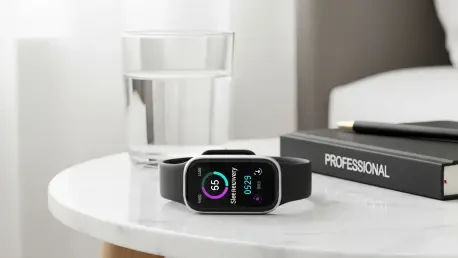
Rest tracking has moved beyond simple movement detection to include heart rate variability. This deeper look into the nervous system helps users understand their recovery needs.
The software identifies different sleep stages with greater nuance. It provides actionable insights into how daily stress affects nocturnal restoration.
HyperOS 3 and Ecosystem Cross-Compatibility
The operating system facilitates a seamless connection between different devices. It allows for a unified experience where notifications and data flow without friction.
Compatibility with multiple platforms expands the potential user base. Even those outside the primary brand ecosystem can enjoy the core functionalities.
Performance Evaluation in Daily Use
Accuracy in Real-World Health Tracking
Reliability of the 98.2% Heart Rate Precision
Real-world testing confirms that the sensor holds its own against dedicated chest straps. The margin of error is minimal during steady-state cardio.
Consistency is key for long-term health trends. The device avoids the erratic spikes that often plague cheaper alternatives.
Effectiveness of Sleep and Rest Recovery Metrics
Morning reports provide a clear overview of the previous night. The data correlates well with subjective feelings of fatigue or energy.
Recovery suggestions help prevent overtraining. They guide the user on when to push hard and when to prioritize rest.
Battery Endurance and Environmental Resistance
Testing the 21-Day Battery Life Claim
Longevity remains one of the strongest selling points of the series. Under typical usage, the device easily lasts two weeks without needing a charge.
Reduced charging frequency improves the consistency of data collection. Users are less likely to miss tracking because the device is sitting on a dock.
Durability and 5ATM Water Resistance Standards
The rugged construction handles swimming and showering with ease. It is built to withstand the pressures of daily life and aquatic sports.
The exterior resists scratches and impacts. This maintains the clean look of the device even after months of rigorous use.
Software Fluidity and Smart Features
User Interface Responsiveness at 60Hz
Navigation is snappy and lacks the jitter found in older models. Transitions between menus are smooth and satisfying.
Touch sensitivity is calibrated to prevent accidental swipes. This makes the interface reliable even during sweaty workouts.
Practicality of NFC Car Keys and Find My Network Support
Digital keys provide a level of convenience that is hard to give up. It simplifies the process of interacting with modern vehicles.
Integration with popular tracking networks adds peace of mind. Losing the device becomes less of a concern when it can be located remotely.
Benefits and Drawbacks of the New Model
Major Strengths and Selling Points
Superior Display Quality for Outdoor Visibility
The brightness levels set a new benchmark for the category. It is a significant upgrade for anyone who spends time training outdoors.
Color reproduction is vibrant and deep. This makes the various watch faces look sharp and professional.
Enhanced Health Metrics for Data-Driven Users
The depth of the provided data rivals much more expensive units. It empowers users to take control of their well-being through logic and numbers.
Advanced algorithms turn raw data into useful stories. Users learn how their lifestyle choices impact their physical health.
Noted Limitations and Weaknesses
Regional Restrictions on Software Features
Certain advanced tools remain locked to specific markets. This can lead to frustration for global users expecting the full suite of features.
Future updates may bridge this gap. However, the current state requires careful checking before purchase.
Form Factor Considerations Compared to Full Smartwatches
The narrow screen might feel cramped for those used to larger displays. It prioritizes portability over expansive screen real estate.
Some interactions are more difficult on a smaller surface. It is a trade-off for the lightweight design.
Summary of Findings and Final Recommendation
Comparing Value Against Previous Generations
The evolution of the hardware showed a clear path toward professional utility. While earlier versions felt like toys, this iteration functioned as a serious tool.
Improved sensors and display quality justified the upgrade. The value proposition remained strong compared to the competition.
Final Assessment of the Hardware Evolution
The build quality reached a level that surpassed expectations for a budget-friendly device. The integration of ceramic materials changed the perception of the brand.
Reliability was the most impressive takeaway. The device performed consistently across all tested metrics.
Clear Purchase Recommendation Based on Price and Performance
The balance of features made it an easy choice for most users. It delivered high-end performance without the high-end price.
Those seeking a compact yet powerful tracker found exactly what they needed. It set a high standard for the entire industry.
Final Thoughts for Potential Buyers
Identifying the Ideal User Profile
The most successful adoption of this technology will come from individuals who value data density without the bulk of a traditional watch. These users prioritize a device that disappears on the wrist until it is needed for a specific metric or notification.
Athletes who need a secondary device for sleep tracking or recovery analysis will find great utility here. It serves as a perfect companion for a minimalist lifestyle.
Key Considerations Before Upgrading or Adopting the Xiaomi Ecosystem
Prospective owners should verify the availability of specific software features in their local region to avoid disappointment. While the hardware is universal, the service ecosystem can vary significantly across different borders.
The transition toward more open networks suggests a future where device lock-in is less of a concern. This makes the investment safer for those who frequently switch mobile platforms.