
The current technological landscape of the wearable market is defined by an intense rivalry between two flagship devices that represent the pinnacle of mobile engineering and artificial intelligence. These devices are no longer just extensions of a smartphone; they have become independent biometric hubs capable of monitoring intricate physiological signals with high precision. While one manufacturer has doubled down on slimming the physical footprint to offer an ergonomic, data-heavy experience, the other has leaned into conversational AI and a sculptural aesthetic to redefine user interaction. This competition has forced a clear divide in the consumer market, pitting those who value raw data and thinness against those who prefer proactive coaching and safety features. As the digital wellness industry matures, the choice between these two platforms highlights broader trends in how technology integrates into daily routines. Understanding the nuances of these machines is essential for anyone looking to optimize their health tracking and digital connectivity in the current year.
Comparing Design Language and Internal Power
Physical engineering remains a primary differentiator as the market moves toward devices that can be worn comfortably throughout the entire day and night. The Galaxy Watch 9 achieves a remarkable 8.6mm thickness, which makes it one of the slimmest high-performance wearables currently available on the market. This low-profile design is particularly advantageous for users who track their sleep, as it minimizes the risk of the watch catching on bedding or feeling cumbersome on the wrist during rest. The flat, polished aesthetic provides a modern look that blends seamlessly with professional attire, contrasting sharply with the more traditional, bulkier designs of previous years. In addition to the sleek exterior, the screen technology has advanced to support a peak brightness of 3,000 nits. This ensures that every metric and notification remains perfectly legible under direct sunlight, addressing one of the most persistent complaints about earlier generations of smartwatch hardware.
In contrast to the focus on thinness, the Pixel Watch 4 utilizes a more sculptural approach with its signature 360 Actua design that measures roughly 12.3mm in thickness. This rounded, dome-like construction is not merely a stylistic choice; it creates a unique tactile experience that makes navigating the interface with touch gestures feel incredibly fluid and natural. While it is noticeably thicker than its rival, the inclusion of premium materials and a seamless glass-to-metal transition gives it a sophisticated, jewelry-like quality. Internally, the device utilizes the Snapdragon W5 Gen 2 chip, which is designed to balance high-performance tasks with efficient background monitoring. A significant hardware advantage in this model is the inclusion of standalone satellite communication capabilities. This safety feature allows users to contact emergency services even in remote areas without cellular coverage, providing a level of security that was once limited to specialized, ruggedized equipment.
Battery Performance and Wellness Metrics
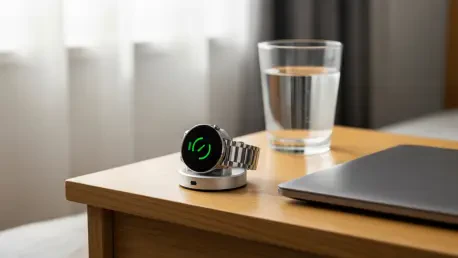
Battery life remains a critical metric for any wearable, and the current generation demonstrates how specialized engineering can extend the time between charges. The 40mm version of the Galaxy Watch 9 features a 360 mAh battery, which is specifically optimized to last for approximately 30 hours even with the Always On Display activated. This performance is a significant improvement over previous iterations and provides a clear advantage for users who prefer smaller, lighter devices without sacrificing longevity. By using high-density cells, the manufacturer has managed to cram more energy into a smaller space, allowing for comprehensive health tracking that spans more than a full day and night cycle. Charging technology has also seen a boost, with magnetic charging systems now capable of providing a meaningful amount of power in just fifteen minutes. This rapid recovery time ensures that the device spends more time on the user’s wrist and less time sitting on a bedside table.
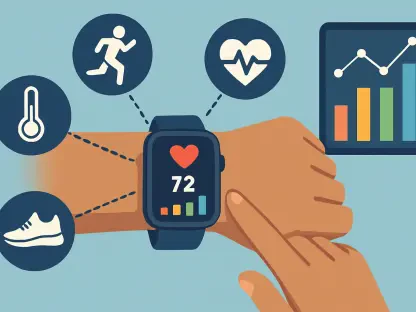
The health tracking philosophies of these two platforms are fundamentally different, with one favoring a quantitative approach and the other focusing on qualitative insights. The Galaxy Watch 9 provides an enormous volume of raw biometric data, including a unique Antioxidant Index and FDA-cleared sleep apnea monitoring that can identify early signs of respiratory issues. This data-heavy method is designed for individuals who enjoy analyzing their own performance trends and viewing detailed charts of their physiological state. The watch utilizes a sophisticated multi-sensor array to capture electrical heart signals and bioelectrical impedance simultaneously, offering a snapshot of body composition and cardiovascular health. While the sheer amount of information can be daunting for some, it provides a high level of transparency for those who are dedicated to biohacking or precise fitness optimization. This focus on measurement ensures that every movement and physiological change is recorded accurately.
AI-Driven Coaching and Ecosystem Loyalty
Google countered the data-driven model by integrating Gemini-powered AI to provide a more conversational and human-centric health experience. Instead of presenting a wall of numbers, the Pixel Watch 4 allowed users to engage with a Health Coach that explained why certain biometric changes occurred. For instance, if a user experienced poor sleep, the AI could analyze previous activity and suggest that late-night caffeine or high-stress levels were the likely culprits. This qualitative approach transformed the device from a passive recorder into an active advisor that offered actionable suggestions for lifestyle improvements. The seamless integration with the Fitbit ecosystem further enhanced this by utilizing historical data to set realistic and personalized goals for the user. By turning complex metrics into easy-to-understand summaries, the system reduced the cognitive load often associated with modern health tracking. This prioritized the user’s mental relationship with their wellness journey.
Ultimately, the decision to invest in a specific wearable was influenced by the degree of integration with the existing smartphone and digital services. Users discovered that staying within a single ecosystem provided a more cohesive experience where health data synchronized instantly across all personal devices. Choosing a watch that matched the brand of their phone unlocked advanced features like specialized heart health monitoring and remote camera controls that were otherwise restricted. Prospective buyers found that evaluating their daily habits—such as the need for satellite safety or a preference for ultra-thin hardware—was the most effective way to select the right tool. To ensure the longest possible lifespan for these devices, it was recommended to prioritize models with guaranteed long-term software support and regular AI updates. Focusing on the specific health metrics that mattered most to individual goals prevented the distraction of unnecessary features and maximized the value of the investment.