
Modern wearable technology has reached a critical inflection point where the focus has shifted from tracking movement to providing a deeply integrated digital extension of the human experience. Samsung is currently positioned to redefine this entire market landscape with the release of the Galaxy Watch 9 and its high-performance sibling, the Galaxy Watch Ultra 2. This strategic launch represents more than just a seasonal hardware refresh; it signals a fundamental move toward a software-centric philosophy that prioritizes the user’s daily journey over static specifications. By anchoring these new devices in the robust One UI 9.0 ecosystem, the manufacturer aims to transform the smartwatch from a simple notification hub into an intuitive, proactive tool. This transition reflects a broader industry trend where the value of a device is measured by how seamlessly it adapts to individual needs rather than its raw technical capabilities alone. This vision ensures that technology serves the person, fostering a more natural relationship with our digital lives.
Bridging the Gap: The Evolution of One UI 9.0
One UI 9.0 serves as the technological foundation of this new hardware generation, specifically designed to make the digital interface feel like a natural extension of physical interaction. Instead of requiring users to hunt through archaic menu structures or cluttered grids, the software introduces a context-aware environment that anticipates intent and prioritizes relevant information. This update focuses on fluid animations and a haptic-response system that provides subtle feedback during navigation, making the transition between apps feel instantaneous and smooth. The design language emphasizes clarity and depth, allowing users to glance at their wrists and immediately grasp complex data points without feeling overwhelmed by a deluge of notifications. This strategic shift ensures that the technology remains helpful while fading into the background of a busy lifestyle. It effectively bridges the gap between high-end aesthetic appeal and the rugged practicality required for daily wear.
Maintaining brand loyalty remains a central pillar of the ecosystem strategy, as evidenced by the commitment to bring many of these new software features to older Galaxy Watch models through rolling updates. This approach ensures that current users are not left behind as the platform evolves, fostering a sense of long-term value for the entire product line. However, a clear hierarchy exists between the standard and premium tiers to satisfy the demands of power users and tech enthusiasts. While the Galaxy Watch 9 provides an excellent entry point into the updated ecosystem, specific high-performance capabilities and advanced sensors are reserved exclusively for the Ultra 2. This distinction allows the premium model to function as a specialized tool for demanding environments while the standard version serves the broader consumer market. Such a segmented approach provides clarity for shoppers looking to balance their specific needs for durability and processing speed against their daily lifestyle requirements.
Dynamic Customization: More Than Just Aesthetics
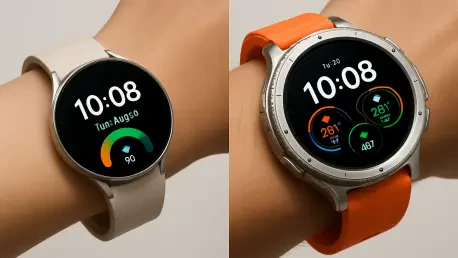
Customization on these new wearables has evolved from simple wallpaper changes into a sophisticated system of functional dashboards that prioritize data accessibility. The newly introduced Analog Balance watch face, for instance, blends the timeless elegance of a traditional timepiece with the modern requirements of health tracking. It features three customizable data slots that can be configured to display heart rate, weather patterns, or step counts without breaking the visual harmony of the dial. For those who prefer a more data-dense environment, the Radial Dashboard serves as a comprehensive command center for the wrist. This layout surrounds a clear digital clock with concentric rings that visualize real-time fitness metrics and battery health in a way that is easy to interpret during a workout. These faces are not just decorations; they are active interfaces designed to reduce the friction between the user and their most vital information, ensuring that every glance provides immediate utility.
The Galaxy Watch Ultra 2 introduces specialized faces that cater specifically to the needs of professional athletes and global travelers, such as the Ultra Performance dashboard. This unique interface is engineered for outdoor enthusiasts who require precise tracking for activities like high-altitude hiking and long-distance cycling. It includes specialized rings for oxygen saturation and elevation changes, along with a dedicated low-light mode that shifts the display colors to a deep red to preserve night vision and reduce eye strain. Meanwhile, the Dual Clock Info Board has been refined to assist professionals who manage teams across multiple time zones. This face allows for the simultaneous tracking of two separate regions on a single screen, complete with local weather and calendar alerts for both locations. These tools demonstrate a commitment to functional diversity, ensuring that whether a user is navigating a mountain trail or a boardroom, their watch is optimized for the task.
Performance and Durability: The Hardware Divide
Under the hood, both models utilize advanced 3nm processor architecture, yet their physical construction defines the specific use cases for each device. The Galaxy Watch 9 maintains a sleek, low-profile design that integrates well with formal and casual attire, featuring a 3,000-nit display that ensures clear readability in typical outdoor conditions. This is a significant leap in brightness that solves the common issue of screen washout during the brightest parts of the day. In contrast, the Galaxy Watch Ultra 2 is a study in industrial resilience, utilizing a grade-five titanium frame to withstand extreme impacts and environmental stress. Its display reaches a record-breaking 5,000 nits of peak brightness, a specification that sets a new industry standard for visibility in direct sunlight. This level of durability makes the Ultra 2 an ideal companion for individuals who operate in harsh climates or engage in contact sports where traditional glass and aluminum components might fail.
Beyond the physical casing, the Ultra 2 differentiates itself through superior processing capabilities specifically tuned for the next generation of artificial intelligence. It features a dedicated Neural Processing Unit (NPU) that allows the device to run complex machine learning models locally rather than relying on a cloud-based server. This on-device processing significantly improves the speed of voice commands and health analysis while offering a higher level of data privacy for the user. By processing biometric information directly on the wrist, the watch can provide more responsive and accurate health warnings, such as detecting irregular heart rhythms or sleep apnea patterns with greater precision. This shift toward local intelligence represents a major step forward in wearable tech, as it reduces the latency associated with data transmission and ensures that the most critical features remain functional even when the watch is disconnected from a smartphone or a network.
Endurance and Connectivity: Tools for the Modern Explorer
Battery performance and independent connectivity remain the most significant technical separators between the two models, catering to different expectations of uptime. The standard Galaxy Watch 9 offers a reliable 30 hours of continuous use, which covers a full day of heavy activity and sleep tracking before needing a recharge. However, the Ultra 2 is designed for the endurance athlete and the frequent traveler, boasting a massive battery that can sustain operations for up to four days on a single charge. This longevity is complemented by the inclusion of Satellite SOS capabilities and independent 5G connectivity, which allow the device to function as a standalone communication tool in emergencies. These features are particularly vital for those venturing into remote areas where cellular networks are non-existent, providing a safety net that was previously only available on dedicated satellite communicators. This makes the Ultra 2 a comprehensive survival tool as much as a fitness tracker.
The introduction of these advanced wearables established a new benchmark for how integrated technology should function within a personalized health and productivity ecosystem. Consumers who evaluated these options recognized that the choice between the standard model and the Ultra 2 depended largely on the specific demands of their environment. For those looking to optimize their daily routine, the transition to the One UI 9.0 platform provided a streamlined experience that simplified task management. Future considerations for potential buyers involved assessing whether the extreme durability and satellite features of the Ultra model justified the investment for their specific lifestyle. Professionals were encouraged to integrate these devices with existing health platforms to maximize the utility of the locally processed AI data. Ultimately, the successful deployment of these watches proved that the hardware must serve the software to create a truly indispensable tool. This strategic direction offered a clear path forward.