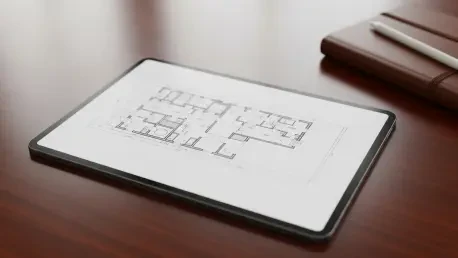

The persistent challenge of balancing high-intensity digital engagement with long-term ocular health has finally met a sophisticated adversary through the latest advancements in display engineering. As consumers increasingly prioritize specialized hardware that mitigates eye fatigue, TCL has introduced its latest NXTPAPER 14 series, featuring a proprietary screen technology that effectively mimics the texture and reflectivity of traditional paper. This innovation signifies a departure from the generic tablet market, focusing instead on a specific demographic that requires professional-grade performance without the harsh glare of standard liquid crystal displays. By integrating a multi-layered filter system directly into the hardware, these devices provide a matte finish that diffuses light rather than reflecting it back toward the user. This approach addresses the growing concerns regarding digital eye strain while maintaining the vibrant color reproduction necessary for high-definition media and creative work. This commitment underscores a broader shift where utility and health-centric design are no longer secondary to raw processing power.
Display Engineering: The Mechanics of Ocular Comfort
The core of this technological leap resides in the NXTPAPER 3.0 implementation, which utilizes a sophisticated circular polarization technique to simulate the natural behavior of light on printed surfaces. Unlike traditional screens that emit light in a linear fashion, causing significant glare and fatigue, this hardware-level solution reorientates light to provide a softer, more diffused visual experience. The engineering team achieved this by layering a series of nano-etched filters over the glass, which physically scatters reflections without degrading the underlying image sharpness or color accuracy. This specific architecture allows the NXTPAPER 14 Pro to reach brightness levels of up to 700 nits, ensuring that the device remains perfectly legible even under direct sunlight or harsh overhead office lighting. Furthermore, the integration of an automatic color temperature sensor allows the display to adjust dynamically to the surrounding environment, reducing the contrast delta that often causes headaches during prolonged usage sessions.
Beyond the physical layering, the software ecosystem has been overhauled to complement the paper-like hardware through a dedicated user interface known as VersaView. This system allows users to switch between three distinct viewing modes with a physical toggle, effectively transforming the tablet from a high-performance multimedia device into a focused e-reader or a grayscale sketchpad. The Color Paper mode retains the full spectrum for video and gaming, while the Ink Paper mode mimics the appearance of E-ink for intensive reading tasks, significantly reducing the cognitive load on the brain. This hardware-software synergy is critical for professionals who transition between data analysis, creative design, and long-form reading throughout their workday. By providing a tactile-like experience for the stylus, the matte texture also improves the precision of digital handwriting and drawing. Consequently, the device serves as a bridge between the digital and physical worlds, offering the versatility of a modern operating system with the comfort of traditional media.
Performance Standards: Strategic Evolution and Implementation
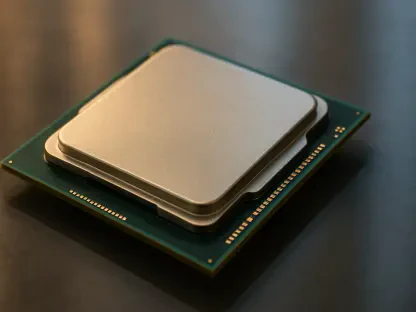
Powering the NXTPAPER 14 Pro is a MediaTek Dimensity 8020 chipset, paired with 12GB of RAM and 256GB of internal storage, ensuring that multitasking remains fluid even when running resource-heavy applications. This processing power is essential for supporting the complex rendering required by the screen engine, which must manage dynamic color adjustments and polarized output in real-time. To sustain this level of performance throughout a full business day, the tablet incorporates a massive 12,000mAh battery, capable of providing several days of standby time or over ten hours of continuous video playback. The inclusion of 33W fast charging further minimizes downtime, allowing users to quickly replenish the power cells between meetings. Such a robust hardware profile ensures that the focus on eye health does not come at the expense of professional utility. Additionally, the standard and 10-inch variants offer accessible options for students, ensuring that the central promise of ocular safety is available at multiple price points.
To navigate the changing landscape of mobile computing, organizations and individual users recognized the necessity of adopting hardware that protected long-term health while maintaining high productivity standards. The implementation of specialized tablets like the NXTPAPER series provided a practical solution for those who found traditional backlit screens unsustainable for full-time work. Moving forward, the industry looked toward further refinements in reflective display technology and more integrated eye-tracking software to further customize the user experience. IT departments began prioritizing the procurement of devices with certified low blue light emissions to reduce workplace fatigue and improve employee well-being across various sectors. For the individual consumer, the choice became a matter of balancing immediate performance with the longevity of their vision. By opting for hardware that prioritized these ergonomic factors, users effectively shielded themselves from the negative impacts of an increasingly digitized world through a conscious shift in tech selection.