


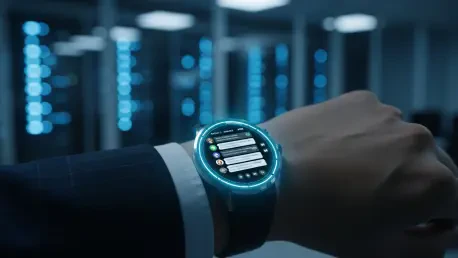

The evolution of wearable technology has transformed the modern smartwatch from a simple fitness tracker into a sophisticated communication terminal that exists independently of a primary mobile device. For nearly five years, users within the Wear OS environment and over a decade for those on Apple’s watchOS had been forced to rely on mirrored notifications rather than dedicated software to manage their digital lives. The official re-entry of Telegram into the smartwatch market on June 11, 2026, marks a pivotal shift in how private messaging services prioritize hardware accessibility beyond the traditional smartphone. By launching native applications tailored specifically for these wrist-worn interfaces, the platform addresses a long-standing demand for autonomy among mobile-first professionals and outdoor enthusiasts. This move signifies more than just a software update; it represents a fundamental acknowledgement that the modern user expects a seamless transition between various form factors without sacrificing core functionality or security. Providing this level of integration ensures that the wearable is no longer just a peripheral but a standalone hub for secure communication.
Re-Establishing the Mobile Messaging Landscape
Closing the Gap: Multi-Device Synchronization
The launch of these dedicated applications effectively ends a significant hiatus for millions of users who had been left without a native client since the service departed the Apple ecosystem in 2015 and Wear OS in 2021. During this period, the rapid advancement of smartwatch hardware—including faster processors, improved battery life, and integrated cellular connectivity—made the absence of a high-tier messaging app increasingly noticeable. By returning to these platforms, the developers have recognized the necessity of maintaining a presence where their most active users spend their time, particularly when those users are away from their desks or smartphones. This update brings a robust set of tools to the wrist, including the ability to view high-resolution images and play videos directly on the device, ensuring that the visual experience remains uncompromised despite the smaller screen size. The restoration of these features allows for a more immersive and interactive experience that mirrors the capabilities of the primary mobile application.
To ensure a consistent user experience across different hardware, the initial release focuses on achieving feature parity between the Apple and Wear OS versions while planning for further unification in the near future. Users can now interact with stickers, manage their chat lists by pinning essential conversations, and mute notifications for specific threads to maintain focus during the workday. The preview of shared locations is particularly useful for logistical coordination, allowing individuals to navigate to meeting points or track friends without having to constantly check a handheld map. While there are slight initial differences in how each operating system handles specific background processes, the development roadmap indicates a push toward a singular, unified capability set that will be delivered in upcoming patches. This commitment to consistency ensures that regardless of the brand of watch a person chooses, they will have access to the same high-quality messaging tools. The focus on high-fidelity media playback and voice note management further cements the smartwatch as a viable tool.
Empowering Users: Technical and Situational Autonomy
A fundamental shift in this update is the transition from passive notification mirroring to active communication control, which empowers users to browse their full chat history on demand. Previously, many wearable interfaces were limited to displaying the most recent incoming message, which often left users without the context needed to provide a meaningful response. Now, the ability to scroll through past dialogues and retrieve old information directly from the wrist eliminates the frustration of having to reach for a smartphone to check a specific detail from a previous conversation. This active control is vital for professionals who need to stay informed while moving between meetings or for parents who need to coordinate schedules while their hands are full. By providing a window into the complete messaging environment, the app transforms the smartwatch into a productive workspace. This evolution reflects a broader trend in the tech industry where the “glanceable” nature of wearables is being supplemented with deep-dive capabilities.
Underpinning the technical success of this rollout is the Telegram Database Library, a versatile open-source framework designed to deliver high-performance messaging capabilities across diverse hardware. By utilizing TDLib, the platform ensures that the software remains efficient and responsive even on the constrained resources of a smartwatch, where memory and battery preservation are paramount. This architectural choice also opens the door for future expansion into niche or alternative operating systems, as the library provides the necessary tools for third-party developers to create specialized clients. While official support for some proprietary systems remains under exploration, the flexibility of the underlying code allows for a more platform-agnostic approach that can adapt to the evolving wearable landscape. This strategy not only future-proofs the application but also fosters an ecosystem where user feedback directly influences technical priorities. By prioritizing a universal foundation, the service ensures that secure, high-speed communication remains accessible to anyone, regardless of their hardware.
Future Considerations: Strategic Wearable Growth
The successful integration of these communication tools into the wearable ecosystem established a clear blueprint for future multi-device software development. Stakeholders moved toward a model that prioritized voice-first interactions and refined haptic feedback to manage high-volume messaging without visual fatigue. This transition encouraged hardware manufacturers to accelerate the deployment of advanced battery technologies and more efficient cellular modems to support the increased data demands of standalone apps. Users were encouraged to audit their notification settings to take full advantage of the new folder and pinning features, which streamlined the flow of information on smaller displays. The industry shifted its focus toward improving biometric security for wrist-based transactions and private conversations, ensuring that data remained protected even in the absence of a paired smartphone. These steps ensured that the digital environment became more resilient and less dependent on a single point of failure. The move highlighted the necessity for continuous cross-platform support, prompting other service providers to re-evaluate their own wearable strategies to remain competitive in a landscape that demanded total portability.







