


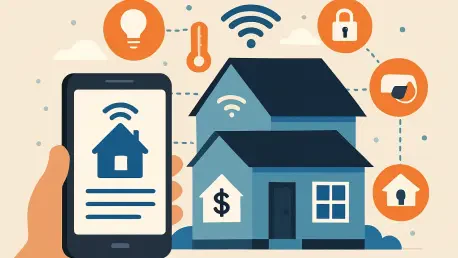

The seamless orchestration of residential environments has transitioned from a luxury hobby into a fundamental requirement for modern living where software acts as the primary conduit for all domestic interactions. By the midpoint of this decade, the smart home has successfully moved beyond a mere collection of disparate, flashy gadgets to become a sophisticated infrastructure where the application layer serves as the central nervous system. This evolution indicates that the success of a modern household automation setup depends significantly less on the physical aesthetics of individual sensors and far more on the robustness of the software used to manage them. A well-chosen app ecosystem does not simply provide a remote control for lights; it functions as a critical financial asset by optimizing energy consumption patterns and boosting overall property value through the implementation of highly efficient, automated systems that require minimal human intervention. Consequently, the selection of a management platform has become the most pivotal decision for any homeowner looking to maintain a competitive and comfortable living space.
Leading Ecosystems for Integration and Privacy
Google Home continues to hold its position as a dominant force within the current market, particularly for users who place a high premium on effortless integration and intuitive navigation. As the native environment for ubiquitous hardware brands such as Nest and Chromecast, the platform allows for the methodical organization of a household into distinct zones and functional groups without requiring extensive technical knowledge. Recent software updates have further refined the user interface, ensuring that the management of complex configurations—ranging from intricate backyard lighting sequences to sophisticated multi-zone climate control systems—remains accessible for both iOS and Android users. This level of polish has made it the default choice for families who need a reliable, “always-on” solution that works across various mobile devices. The platform’s ability to synthesize information from a wide array of connected devices into a single, coherent dashboard has set a high standard for usability in the professional smart home space.
For those who maintain a healthy skepticism regarding cloud-based services and third-party data access, Home Assistant has solidified its reputation as the premier choice for absolute privacy and total customization. This platform operates primarily through local hosting, which ensures that all sensitive data remains strictly within the confines of the home network rather than being transmitted to external servers. This architectural choice provides a significant advantage: automation routines continue to function flawlessly even if the primary internet connection is temporarily lost. It appeals most strongly to a growing demographic of users who wish to avoid manufacturer lock-in and retain absolute sovereignty over their digital environments. By placing the power of the server in the hands of the resident, Home Assistant has transformed from a niche tool for enthusiasts into a cornerstone of the private smart home movement, offering a level of security that cloud-reliant competitors struggle to match.
While the platform inherently requires a more substantial technical investment to initialize on a dedicated server or a Raspberry Pi, the versatility offered by Home Assistant remains entirely unparalleled in the current landscape. It possesses the unique ability to bridge hundreds of different communication protocols and device types into one unified, highly responsive interface, effectively acting as the digital Swiss Army knife for the contemporary residence. The proliferation of AI-driven configuration tools and the expansion of active community-led forums have significantly lowered the barrier to entry, making this once-daunting platform much more approachable for everyday technology users who desire professional-grade control. This shift towards accessibility ensures that advanced features, such as deep energy monitoring and custom logic scripting, are no longer reserved for software engineers but are available to anyone willing to invest a small amount of time into their home’s digital foundation.
Specialized Tools for Automation and Affordability
IFTTT remains the indispensable logic engine for modern homeowners who require their diverse array of devices to communicate effectively across different brand ecosystems that might otherwise remain siloed. By utilizing refined “If This Then That” applets, residents can construct complex triggers and conditional statements that standard manufacturer apps frequently fail to support or acknowledge. This capability allows for the creation of advanced scenarios, such as the automatic powering down of a home theater system and the adjustment of window shades whenever a specific security routine is activated. Such cross-platform synergy makes the entire residence feel like a single, cohesive unit rather than a collection of independent products. This focus on logic-based connectivity ensures that even older devices can be integrated into modern workflows, providing a level of functional longevity that is essential for a sustainable and cost-effective smart home strategy.
Wyze has successfully disrupted the broader market by demonstrating that high-quality smart home management and monitoring do not necessarily require a premium price tag or a subscription-heavy model. The application serves as a remarkably reliable hub for an ever-expanding portfolio of affordable hardware, including high-definition cameras, smart locks, and adaptive lighting solutions. Its primary focus on practical functionality and user-friendly sharing features makes it an ideal entry point for individuals building their automated ecosystem on a budget without being forced to sacrifice operational reliability. Furthermore, the platform’s commitment to frequent firmware updates and its responsive feedback loop with the user base have ensured that its software remains competitive with much more expensive alternatives. For many, this balance of affordability and utility has made the transition to an automated lifestyle far more feasible than it was in previous cycles of technological development.
Premium Standards and Market Trends
Homey represents the luxury tier of the current smart home management market, offering a premium “plug-and-play” experience through its highly capable Homey Pro hardware and software combination. It excels at the simplification of complex automation sequences through its proprietary “Flows” engine, which allows homeowners to establish intricate environmental behaviors without the need to write a single line of code. By providing native support for universal standards such as Matter, Zigbee, and Z-Wave, Homey ensures that a residential system remains resilient and compatible as new hardware technologies are introduced to the market. This commitment to interoperability makes it a favored choice for those who view their smart home as a long-term investment that should gracefully adapt to changing standards. The elegance of its interface, combined with the power of its local processing, provides a sophisticated user experience that justifies its position at the top of the market.
Several defining trends characterize the smart home landscape during this period, most notably the universal push for total interoperability through the widespread adoption of new industry standards. There is an increasing industry-wide focus on moving away from manual, button-based controls toward a model of proactive automation, where applications utilize a variety of environmental data points to make intelligent decisions on behalf of the user. This shift means that the home is no longer just “connected” but is becoming truly “aware,” adjusting temperature, lighting, and security settings based on occupancy patterns and external weather conditions. Furthermore, the market has bifurcated into two distinct user groups: those who prefer the streamlined simplicity of cloud-connected services and those who prioritize the rigorous security of local, private data management. This divergence has led to a richer variety of software options, allowing every resident to find a platform that aligns with their personal values and technical comfort level.
The specific applications highlighted in this analysis were selected based on rigorous benchmarks designed to ensure they deliver a high-quality and consistent user experience. These standards include maintaining a minimum four-star rating across major digital storefronts, offering full compatibility with both iOS and Android ecosystems, and demonstrating the capacity to manage complex “many-device” scenarios without performance degradation. Additionally, each platform is supported by a robust and active community of both users and professional developers, which provides a critical safety net for troubleshooting and ensures the continuous delivery of software enhancements. These criteria ensure that the chosen apps are not merely temporary solutions but are stable platforms capable of serving as the foundation for a modern home for many years. The emphasis on community support and frequent updates is particularly important in an era where software security and feature parity are the primary drivers of consumer satisfaction.
Strategic Implementations for Autonomous Living
The selection and deployment of these advanced smart home platforms provided a clear roadmap for achieving a truly autonomous living environment that prioritized efficiency and user well-being. Homeowners found that the successful integration of these systems required a proactive approach to network security and a willingness to embrace emerging standards like Matter to ensure long-term hardware compatibility. By moving away from fragmented, single-brand solutions and toward unified management apps, residents managed to significantly reduce the cognitive load associated with maintaining a modern household. The most effective implementations were those that focused on “invisible” automation—routines that functioned quietly in the background to save energy and enhance security without requiring constant manual input. This shift represented a fundamental change in how domestic technology was perceived, moving it from a series of gadgets to a reliable utility.
The data gathered from these systems during the period from 2026 to 2028 suggested that homes equipped with centralized automation saw a measurable improvement in both operational costs and resident comfort levels. Future considerations for those looking to expand their setups involved the regular auditing of data permissions and the periodic testing of local-only fail-safes to maintain resilience against external service outages. The move toward local processing and proactive AI suggested that the next logical step for the industry would be even deeper integration with renewable energy sources and local storage solutions. As these platforms matured, they ceased to be just tools for convenience and instead became essential components of a sustainable lifestyle. The ultimate takeaway from this technological era was that the most valuable smart home app was the one that empowered the user to spend less time managing their home and more time enjoying the environment it created.







