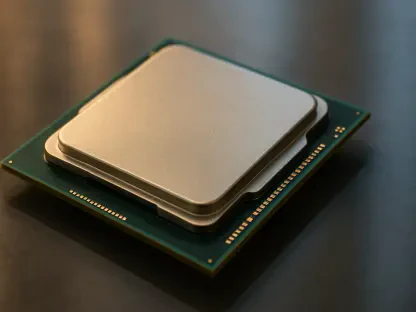

The relentless pursuit of hardware perfection has pushed the mobile industry toward a critical juncture where the line between consumer electronics and professional-grade tools has officially vanished. Apple, Samsung, and Sony are no longer just selling phones; they are marketing ultra-premium ecosystems. Rising R&D costs for 2nm chipsets and specialized sensors have fundamentally reset retail prices, while brands like Oppo use regional expansions to test the limits of consumer spending power.
The Transformation of the Global Smartphone Market and the Shift to Ultra-Premium Tiers
Current market dynamics show a distinct move toward “Ultra” tiers that prioritize extreme hardware over mass-market appeal. As component costs climb, manufacturers focus on high-margin devices that cater to power users. This strategy shift ensures that the escalating investment in next-gen production remains financially viable for major tech giants.
Pioneering Technologies and the Financial Trajectory of Mobile Innovation
Breakthroughs in Endurance, Processing, and Display Standards
The introduction of 7,000mAh batteries marks a turning point in mobile endurance, offering multi-day longevity without the bulk. High-refresh 144Hz OLED screens and crease-free foldables further enhance the tactile experience, while the move to 2nm architectures like the Tensor G6 targets the persistent issue of thermal efficiency.
Analyzing Market Projections and the Consumer Value Proposition
Average selling prices are reaching historic highs, yet the premium segment remains resilient in the face of economic volatility. High-end devices like the Xperia 1 VIII demonstrate that a subset of buyers is willing to exceed the €1,800 mark for niche features. Forecasts suggest that these specialized flagships will continue to outperform mid-range units in terms of revenue growth.
Navigating the Technical and Economic Hurdles of Next-Gen Hardware
Integrating 200MP variable aperture cameras into slim frames requires a delicate balance between optical physics and industrial aesthetics. Companies must combat consumer spec fatigue by delivering software features that truly utilize the underlying raw power. Supply chain volatility remains a constant threat, forcing brands to diversify manufacturing to protect their margins.
Security Standards and Regulatory Influences on High-End Mobile Tech
International mandates on battery repairability are forcing a redesign of internal architectures for high-capacity cells. Compliance with global privacy standards and AI transparency rules has become a non-negotiable aspect of product development. These regulatory factors, combined with trade policies, directly impact the final pricing of cutting-edge hardware.
The Future of Mobile Productivity and Optical Excellence
The shift toward mobile workstations is fueled by 2nm technology, which enables desktop-level gaming and professional editing on the go. Specialized optics have successfully positioned smartphones as legitimate alternatives to dedicated cameras. Trends suggest that longevity and thermal stability have become the primary selling points for the luxury tech segment.
Evaluating the Worth of the Next Generation of Mobile Flagships
The strategic pivot toward ultra-high-performance hardware successfully convinced the market that specialized utility outweighed the burden of record-high prices. Investors recognized the sustainability of this model as consumers moved toward longer upgrade cycles supported by durable components. The transition into the 2nm era provided the necessary power for on-device AI to become a truly transformative feature.