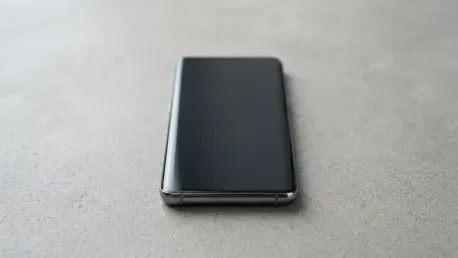

While some earlier prototypes were reportedly bulkier, the current design path focuses on a slim profile that maintains a high level of durability. As the global tech industry anticipates the next major leap in mobile hardware, the focus has shifted toward achieving a truly borderless experience that has eluded manufacturers for over a decade. Apple is currently exploring a concept where the glass not only covers the front but seamlessly rolls over the edges to meet the frame. This ambitious move signals a departure from the incremental updates seen in recent years, aiming to create a device that feels like a single, solid slab of active pixels. By refining the structural composition of the frame, engineers are attempting to mitigate the fragility issues that plagued early curved-screen competitors. This design philosophy is not merely about aesthetics; it represents a fundamental rethink of how users interact with the physical boundaries of their devices, turning every millimeter of the surface into a functional workspace. The integration of advanced touch-rejection algorithms will be critical to ensure that these wraparound displays do not lead to accidental inputs.
Engineering the Quad-Curved Architecture
Rumors originating from supply chain analysts suggest that Apple is currently evaluating four distinct prototype designs to determine the final form of its anniversary flagship. Among these, two iterations feature a standard flat glass panel, while the more radical versions utilize a sophisticated quad-curved architecture. This specific design involves glass that subtly bends toward the metal frame on all four sides, including the top and bottom edges. Such a configuration would effectively eliminate the visual presence of the bezel, especially when paired with the rumored 1mm borders that are supposedly under development. The goal is to produce an optical illusion where the screen appears to float atop the chassis, creating an immersive depth that mimics a continuous glass surface. Manufacturing such components requires a precision previously reserved for high-end optical lenses, pushing the limits of current glass-forming techniques and industrial chemistry. This shift involves high-density circuit routing within the display substrate.
Developing a quad-curved display necessitates a complete overhaul of the assembly process, particularly concerning the laminated layers between the OLED panel and the protective top glass. Previous attempts at similar designs often resulted in color distortion or light leakage at the curved segments, but Apple is reportedly using a new ion-exchange process to strengthen the glass at these critical stress points. This technology allows for tighter radii in the curves without compromising the structural integrity of the display assembly. Furthermore, the transition toward a 1mm bezel necessitates a move to high-density circuit routing within the display substrate, ensuring that the necessary hardware components can fit within a fraction of their traditional space. This level of miniaturization highlights a broader trend in consumer electronics where the boundary between hardware and display becomes increasingly indistinguishable, forcing a synergy between chemical engineering and digital interface design for the final units.
Preparing for the Next Hardware Era
The development of the borderless prototype represented a significant pivot in Apple’s hardware strategy, moving toward a unified glass architecture that challenged traditional manufacturing constraints. Analysts observed that the shift to 1mm bezels and quad-curved glass required a massive investment in supply chain infrastructure, particularly for specialized glass suppliers. Organizations looked toward these developments as a blueprint for the next decade of mobile computing, where the device essentially disappeared into the content it displayed. Stakeholders prioritized the refinement of under-display sensor tech to ensure that the user experience remained uncompromised by the pursuit of aesthetic perfection. As these prototypes transitioned into the final production phase, it became clear that the industry moved toward a design language centered on seamlessness. This era prioritized the reduction of physical interruptions in favor of a more fluid and tactile digital interaction.
Actionable next steps for the industry involved the rapid adaptation of software environments to account for the lack of traditional screen boundaries, ensuring that critical UI elements remained accessible. Developers were encouraged to leverage the new edge real estate for innovative notification systems that did not interrupt the primary workflow. Consumers were advised to consider the implications of such a radical design change, particularly regarding the selection of protective accessories that could accommodate the unique quad-curved geometry. The shift also prompted a move toward more robust cloud-based diagnostic tools, as the sealed glass enclosure made traditional physical repairs more complex for the average technician. Ultimately, the transition to a bezel-free future required a collaborative effort between software creators and hardware engineers to maintain the balance between beauty and utility. This milestone marked the beginning of a new chapter where the device form factor became truly invisible.