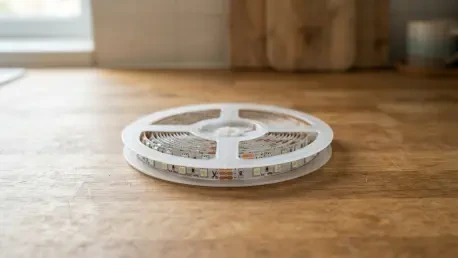

The durability of lighting fixtures in high-moisture areas like kitchens depends on an IP65 rating to ensure protection against dust entry and water splashes. As interior design continues to prioritize atmosphere and adaptability in 2026, the transition from static illumination to dynamic environments has become standard for modern homeowners. Smart lighting has moved beyond the novelty phase of smartphone-controlled bulbs, evolving into sophisticated systems that define the character of a living space. The TCP Smart 5m Wi-Fi LED Tape Light represents a pillar in this evolution, providing a solution that balances technical sophistication with the simplicity required for mass adoption. By focusing on essential features rather than overcomplicating the user experience with proprietary hardware, this tape light has maintained its status as a reliable choice for those looking to modernize their homes. This accessibility is vital as the market sees an influx of complex systems that often create barriers for users.
Versatile Customization
Creative Lighting Control
The primary allure of high-quality LED strip lighting lies in its nearly infinite capacity for personalization, offering a palette of over sixteen million colors to suit any conceivable mood or occasion. Through the companion app, users can transition from the warm, amber glow necessary for a relaxing evening to a crisp, cool white that facilitates concentration during work or study. This granular level of control ensures that the lighting is never static, allowing the atmosphere of a room to shift in alignment with the time of day or the specific activity being performed. Whether highlighting the architectural lines of a living room or providing functional under-cabinet light in a workspace, the ability to fine-tune brightness and saturation levels makes the tape light an indispensable tool for interior design. The integration of such expansive color options within a single device reflects the growing consumer demand for versatile hardware that eliminates the need for multiple specialized fixtures.
Optimized Scene Management
Effective atmospheric management extends beyond manual color selection, as the system includes a variety of preset scenes designed to evoke specific emotional responses or support daily routines. These presets allow for instantaneous transitions between modes such as reading, party, or night, reducing the time spent adjusting individual settings. For many users, the ability to customize these scenes further enhances the utility of the device, as they can save specific configurations that work best for their unique home layout. This level of customization is particularly beneficial in open-plan living spaces where lighting serves to define different zones without the need for physical partitions. By utilizing varied color temperatures across different sections of a room, a cohesive yet distinct environment can be established. This approach to environmental control demonstrates how smart lighting technology has matured to provide professional aesthetic solutions that were once reserved for high-end projects.
Smart Integration
Automation and Connectivity
Modern smart home ecosystems thrive on the principle of interoperability, and the TCP Smart LED Tape Light exemplifies this by removing the need for a centralized hub or bridge. By connecting directly to a standard 2.4GHz Wi-Fi network, the device ensures a streamlined setup process that minimizes potential points of failure and reduces the overall cost of entry for the consumer. This direct connection facilitates seamless integration with major voice assistants such as Amazon Alexa and Google Assistant, enabling hands-free operation that quickly becomes an intuitive part of the household routine. The absence of additional hardware simplifies the installation phase, making the technology accessible to individuals who may be intimidated by complex networking requirements. As more devices enter the smart home space in 2026, the importance of plug-and-play functionality cannot be overstated, as it allows users to expand their automation capabilities without managing multiple proprietary hardware intermediaries.
Intelligent Utility Features
Beyond simple voice activation, the integration of advanced automation features transforms the lighting strip from a decorative element into a functional utility that enhances home security and convenience. Users can implement complex schedules that trigger lights to turn on or off at specific times, which is an effective deterrent against potential intruders when the property is unoccupied. Furthermore, the inclusion of geofencing technology allows the system to respond to the user’s physical proximity, automatically illuminating the entryway upon arrival or ensuring all lights are extinguished when leaving the house. These intelligent triggers remove the need for manual intervention, allowing the home environment to adapt dynamically to the needs of its inhabitants. Such automation is not merely a convenience; it represents a shift toward more proactive home management where technology anticipates user requirements. The result is a more efficient living space that conserves energy while providing comfort.
Technical Reliability
Professional Durability Standards
Technical reliability is a cornerstone of the TCP Smart design philosophy, ensuring that the hardware remains functional in diverse environmental conditions throughout the home. The inclusion of an IP65 rating signifies that the strip is fully protected against dust entry and can withstand low-pressure water splashes from any direction, making it suitable for installation in bathrooms or near kitchen sinks. This level of ingress protection is often overlooked in consumer-grade smart lighting, but it is critical for ensuring the longevity of the electrical components in areas where humidity and moisture are prevalent. By adhering to these professional standards, the product avoids common failure points associated with less robust LED strips that might corrode or short-circuit when exposed to steam or occasional spills. This durability ensures that the initial investment remains viable for years, providing consistent performance without the need for frequent replacements. Such reliability is essential for maintaining trust in technology.
Operational Longevity Standards
Energy efficiency and long-term sustainability are increasingly important metrics for modern electronics, and the TCP system addresses these concerns through optimized power consumption and component longevity. The strip is rated for a lifespan of twenty-five thousand hours, which translates to over eight years of use if operated for eight hours every day. Combined with a modest power draw of only 18W, the device provides significant illumination while minimizing the impact on the household energy bill and the environment. This efficiency does not come at the expense of performance, as the LEDs maintain consistent brightness and color accuracy throughout their operational life. As energy costs and environmental awareness continue to influence behavior in 2026, products that offer high utility with low overhead become the preferred choice for responsible homeowners. The ability to extend the system with three-meter additions further enhances its sustainable profile, as users can scale their lighting setup to fit new spaces.
Advancing Environmental Home Management
Homeowners who integrated the TCP Smart LED Tape Light into their living spaces effectively bridged the gap between traditional interior design and modern automation. The transition toward these versatile lighting solutions demonstrated that atmospheric control should no longer be viewed as a luxury, but rather as a fundamental component of home wellness and functional efficiency. By moving toward hub-free connectivity and prioritizing high durability ratings, the industry set a new standard for how smart devices should behave in a residential setting. Future considerations for those looking to expand their systems included the exploration of more complex automation routines that synchronized lighting with climate control and security sensors to create a truly intuitive home environment. The success of this product confirmed that simplicity and reliability remained the most important factors for long-term adoption. As the market progressed, the focus shifted from simple color changes to health benefits, encouraging users to adopt rhythm-supporting setups.