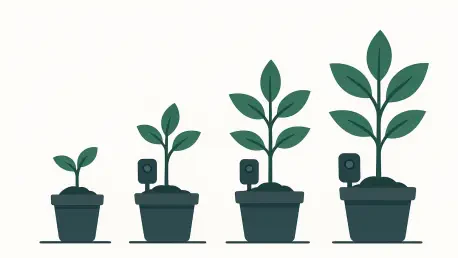

The Willow Smart Plant Sensor functions as a sophisticated digital intermediary that monitors soil moisture, ambient light, humidity, and temperature for houseplant owners. In an era where indoor greenery has become a staple of urban living, many individuals struggle to maintain the delicate balance of light and water necessary for botanical health. The Willow system addresses this challenge by replacing subjective guesswork with high-fidelity environmental data. The hardware package, typically centered around a Starter Pack, includes a streamlined charcoal or moss green sensor, a centralized Wi-Fi hub, and a USB-C power cable. This setup is designed to integrate seamlessly into a modern home aesthetic, featuring a sensor probe that measures 124mm in length to reach deep into the root zone of standard pots. For those with larger floor plants, optional extensions ensure the probe remains effective across various container sizes. The system utilizes a dual-layered communication strategy where the sensor connects to the hub via Bluetooth 5.2, which then relays information to the cloud over a standard 2.4GHz Wi-Fi network. This architecture allows the sensor to operate for extended periods on a single CR2477 coin cell battery while providing readings every fifteen minutes.
Transforming Raw Metrics: The Path to Plant Happiness
Personalized Algorithms: Tuning Care to Specific Species
The Willow system distinguishes itself by moving beyond generic moisture alerts and instead utilizing a species-specific approach to plant health. Once a plant is registered in the mobile application, the device applies a unique algorithm that reflects the biological requirements of that specific variety, whether it is a drought-tolerant succulent or a high-humidity tropical fern. This is summarized in a “Plant Happiness Score,” a proprietary metric that synthesizes the four environmental readings into a single, understandable value. By evaluating how closely the current environment matches the ideal natural habitat of the species, the system provides a holistic view of health that a simple analog moisture meter cannot replicate. This data-driven approach allows users to understand not just if a plant is wet or dry, but if it is actually thriving in its current location.
Beyond basic maintenance, the software allows users to toggle between “Survive” and “Thrive” growth goals, which adjusts the sensitivity of the alerts and the targets for optimal conditions. The Survive setting is ideal for plants placed in challenging areas of the home, such as low-light hallways, providing the bare minimum thresholds to prevent decline. Conversely, the Thrive setting raises the bar, encouraging the user to provide the peak levels of light and nutrients required for vigorous growth and lush foliage. This flexibility recognizes that not every corner of a home is a greenhouse and allows owners to manage their expectations based on the physical constraints of their living space. By offering these tiered objectives, Willow transforms the often-stressful task of plant care into a manageable and rewarding hobby that adapts to the user’s specific environmental reality.
Real-time Awareness: The Impact of Instant Notifications
A core strength of the Willow ecosystem is its proactive nature, which eliminates the need for users to manually check their plants every day. The system is designed to send push notifications directly to a smartphone the moment environmental conditions drift outside of the established safe zones. For instance, if a sudden heatwave causes soil moisture to drop rapidly or if a seasonal shift results in insufficient light levels, the app alerts the owner before the plant begins to show physical signs of stress like wilting or yellowing. This immediate feedback loop is critical for sensitive species where even a few hours of extreme dehydration can lead to irreversible cellular damage. By serving as an early warning system, Willow bridges the communication gap between the silent needs of a plant and the busy schedule of a modern homeowner.
These notifications are not merely alarms; they function as educational prompts that help users learn the rhythms of their indoor garden. Over time, an owner might notice that their fiddle-leaf fig requires more frequent watering during the summer months or that a certain shelf is too cold during the winter nights. This constant flow of information cultivates a deeper understanding of microclimates within the home, turning a novice into a more observant and capable gardener. The precision of the sensors ensures that these alerts are grounded in reality, reducing the likelihood of overwatering, which is one of the most common causes of houseplant death. By providing clear, actionable instructions at the exact moment they are needed, the system empowers users to take corrective action with confidence, ensuring the longevity and vibrancy of their botanical collection.
Software Ecosystem: Navigating the Digital Garden
Free Tier Functionality: Essential Tools for Every Grower
The Willow mobile application serves as the primary interface for the system, offering a surprisingly robust experience even for those who choose not to subscribe to a premium plan. The free “Starter” tier includes access to a comprehensive care library that provides detailed instructions on watering, light, and fertilization for hundreds of common species. Users can also utilize the manual logging features to track repotting dates, pruning sessions, and the appearance of new growth, creating a digital biography for each plant in their collection. This level of detail is often locked behind paywalls in competing apps, but Willow includes it as a foundational part of the hardware experience. The ability to see real-time data from the sensors without an additional monthly fee makes the system a viable long-term solution for casual hobbyists.
In addition to data tracking, the free version of the app includes a basic photo-based plant identification tool, which allows users to quickly catalog their existing collection by simply taking a picture of the leaves. While this feature is limited to five scans per month on the free plan, it provides a functional starting point for users who may have forgotten the names of the plants they have acquired over the years. The interface is clean and intuitive, prioritizing ease of use and visual clarity, which helps prevent the data from feeling overwhelming. By providing these essential services at no extra cost, the manufacturer ensures that the hardware remains a high-value investment from the day it is installed. This approach fosters a positive relationship with the user base, emphasizing the primary goal of successful plant care over aggressive monetization.
Premium Enhancements: The Benefits of Willow Grow
For more dedicated plant enthusiasts, the “Willow Grow” subscription offers an expanded suite of features designed to handle complex horticultural challenges. One of the most significant additions is the AI-driven Disease ID tool, which can analyze photos of spots, pests, or fungal growth to provide a diagnosis and treatment plan. This feature is particularly useful for identifying subtle issues like spider mites or root rot before they spread to the rest of a collection. Additionally, the premium tier provides unlimited access to the plant identification scanner, making it easier to catalog large and diverse gardens. These advanced tools are supplemented by a “Plant Doctor” service, which offers personalized consultations with professional horticulturists for users who encounter problems that the AI cannot fully resolve.
The premium subscription also unlocks extended historical data, allowing users to view up to thirty days of sensor readings in detailed graphs. This long-term perspective is invaluable for identifying trends, such as how quickly a pot dries out after a heavy watering or how much light a specific window receives as the sun’s path changes. Furthermore, the “Matchmaker” feature provides tailored recommendations for new plant purchases based on the specific microclimates already measured by existing sensors in the home. This ensures that users only buy plants that are likely to thrive in their current environment, saving money and frustration in the long run. While the free tier covers the basics of survival, the premium features are clearly aimed at those who want to master the art of indoor gardening and maintain a flawless collection.
Installation Procedures: Building the Smart Network
Physical Setup: Integrating the Hub and Sensors
The onboarding process for the Willow system is engineered to be as frictionless as possible, mirroring the “plug-and-play” experience of other modern smart home devices. Setting up the hub is the first step, requiring a connection to a USB-C power source; while a dedicated wall adapter is not included in the box, any standard 5V power brick is sufficient. Once powered, the app uses Bluetooth to locate the hub and guide the user through the process of connecting it to their home Wi-Fi network. The hardware design of the hub is compact and hexagonal, allowing it to be tucked away discreetly behind a pot or on a bookshelf. This small footprint ensures that the technology does not distract from the natural beauty of the plants it is meant to protect.
Once the hub is online, activating the sensors is a simple matter of removing the protective battery tab and following the in-app pairing instructions. Each sensor features a twist-off cap that conceals the battery compartment and a small reset button, making maintenance straightforward. The app provides clear visual guidance on how to properly insert the probe into the soil, emphasizing that the “max soil level” line must be respected to avoid damaging the internal electronics. It also advises users to orient the light sensor toward the nearest window or grow light to ensure accurate readings. This attention to detail during the setup phase helps prevent common user errors that could lead to inaccurate data, ensuring that the system is calibrated correctly from the very beginning.
Species Integration: Mapping the Digital Database
After the physical sensors are in place, the user must link each device to a specific plant within the application’s database. This can be done manually by searching for the common or scientific name, or by using the integrated photo scanner for instant identification. In testing, the scanner proved to be highly accurate for popular household varieties like Monsteras, Pothos, and Snake Plants. However, for more obscure or rare collector plants, the system occasionally required a manual search. Once identified, the plant is added to a digital “room,” allowing the user to organize their collection by location. This organizational structure makes it easy to manage large numbers of sensors across different areas of a home or office.
While the database is extensive, it is worth noting that some entries may initially lack full care instructions, marked with “coming soon” indicators. This reflects the ongoing expansion of the Willow library as new species are added based on user feedback and horticultural research. Despite these minor gaps, the integration between the physical sensor and the digital profile is seamless, with data appearing in the app within minutes of installation. The software also prompts users to take a “profile picture” for each plant, which adds a personal touch to the dashboard and helps visually distinguish between multiple plants of the same species. This combination of automated identification and user customization creates a sense of ownership and engagement that encourages long-term use of the system.
Performance Evaluation: Precision and Scalability
Monitoring Accuracy: Validating Sensor Performance
The reliability of the Willow system hinges on the accuracy of its four primary sensors, and real-world performance indicates high levels of precision. The moisture probe uses capacitive sensing to measure the water content of the soil, a method that is far more reliable than the cheap resistance-based meters often found in garden centers. During testing, moisture readings showed a consistent and logical decline as the soil dried out, with no erratic spikes or drop-offs. Similarly, the temperature and humidity sensors remained within tight tolerances when compared against professional-grade atmospheric monitors. This level of data fidelity is essential for making informed decisions, especially when dealing with expensive or rare plants that have narrow margins for error.
One of the most valuable aspects of the monitoring suite is the light sensor, which provides objective lux measurements rather than subjective assessments like “bright indirect light.” Human eyes are remarkably good at adapting to low light, often leading owners to believe a room is brighter than it actually is. Willow’s light sensor reveals the truth, often showing that a plant placed just a few feet away from a window is receiving significantly less energy than required for photosynthesis. By quantifying the light levels, the system helps users find the perfect placement for their plants, potentially saving them from the slow decline associated with light starvation. This objective approach to environmental monitoring removes the ambiguity from plant care, providing a solid foundation of facts upon which a healthy indoor garden can be built.
System Scalability: Managing Large Collections
A significant advantage of the Willow architecture is its ability to scale alongside a growing plant collection. A single Wi-Fi hub is capable of managing up to forty individual sensors, making it an ideal solution for serious enthusiasts who have turned their homes into urban jungles. The Bluetooth 5.2 connection provides a range of approximately twenty meters, which is typically sufficient to cover several rooms or a small apartment. Because the sensors are energy-efficient and only transmit data every fifteen minutes, they do not clutter the Wi-Fi network or require frequent battery changes. This scalability ensures that as a user’s passion for plants grows, their monitoring system can expand without the need for additional complex infrastructure.
However, the “closed” nature of the Willow ecosystem is a factor that advanced smart home users should consider. At present, the system does not integrate with third-party platforms such as Apple HomeKit, Google Home, or Amazon Alexa. This means that users cannot easily create automations that trigger grow lights or humidifiers based on the sensor’s data through a unified home hub. While the Willow app itself is a powerful standalone tool, the lack of an open API or native integrations may be a drawback for those looking to build a fully automated horticultural environment. For the majority of users, however, the simplicity of a dedicated, high-quality app is more than sufficient, providing all the necessary information and control in a single, well-organized package.
Strategic Implementation: Enhancing Indoor Horticulture
The Willow Smart Plant Sensor established a new standard for accessible, data-driven indoor gardening by successfully bridging the gap between high-tech monitoring and user-friendly design. Through the use of species-specific algorithms and reliable hardware, the system provided a clear path for individuals to improve the health and longevity of their houseplants. The introduction of the “Survive” and “Thrive” settings allowed for a level of customization that respected both the biological needs of the plants and the environmental realities of the modern home. While the subscription model for advanced features like disease diagnosis was a consideration for some, the robust nature of the free tier ensured that the core value of the hardware remained accessible to all users.
The implementation of this technology represented a shift toward more intentional and informed plant care. By moving away from the “guess and check” method of watering, owners were able to reduce plant mortality and foster more vibrant indoor environments. The scalability of the hub-and-sensor architecture made it a future-proof investment for those whose botanical collections were likely to expand. Moving forward, potential users should consider the layout of their homes and the specific needs of their rarest plants when deciding where to deploy sensors. Although the lack of external smart home integration was a noted limitation, the standalone effectiveness of the Willow ecosystem proved that targeted, specialized tools could often outperform generic, all-in-one solutions in the specialized field of horticulture.