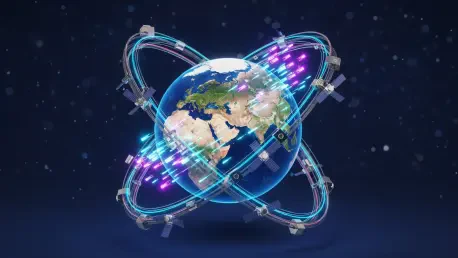

The seamless delivery of ultra-high-definition prestige television across six continents simultaneously marks the pinnacle of modern media engineering and consumer accessibility. This intricate web of data transmission and licensing is not merely about playing a video file; it represents a sophisticated technological ecosystem designed to withstand the massive traffic spikes that accompany cultural phenomena. As viewers anticipate the return of high-stakes drama, the underlying distribution architecture must reconcile the demands of global synchronization with the limitations of local infrastructure. This review examines the current state of streaming technology, focusing on its ability to manage high-profile content like the third season of the HBO original series Euphoria.
The Architecture of Modern Content Delivery
Modern streaming distribution relies on a decentralized framework that prioritizes low-latency delivery and high-fidelity reproduction. At its core, the technology utilizes sophisticated bit-rate adaptation, which allows the stream to adjust in real-time based on the user’s bandwidth, ensuring that the visual integrity of a show remains intact despite fluctuating internet speeds. This is particularly vital for content characterized by complex cinematography and a specific neon-soaked aesthetic, where every pixel contributes to the narrative mood. The emergence of this technology has moved the industry away from centralized servers toward an edge-computing model that brings the content physically closer to the end-user.
This evolution is significant because it democratizes the viewing experience, allowing a user in a remote region to enjoy the same technical quality as someone in a major metropolitan hub. By integrating advanced compression algorithms, distributors can now transmit 4K resolution with HDR metadata without overwhelming regional networks. This technological landscape has evolved from a simple repository of files into a living network that anticipates demand, caches assets intelligently, and provides a robust foundation for the global “watercooler” moments that define the current era of prestige television.
Advanced Infrastructure and Narrative Delivery
Global CDN Integration and Regional Availability
The efficacy of global distribution is largely dependent on the integration of Content Delivery Networks (CDNs) that act as a buffer between the source and the consumer. For a major premiere, such as the scheduled April 12 launch of the new season, CDNs distribute the load across thousands of localized nodes. This prevents the “bottleneck” effect that previously plagued major digital releases, where millions of concurrent requests would cause server failure. By pre-positioning encrypted data packets within regional data centers, providers ensure that when the clock hits 9:00 PM, the “play” button functions instantaneously across diverse geographical zones.
The performance of these networks is monitored through real-time telemetry, allowing engineers to reroute traffic if a specific regional node underperforms. This significance cannot be overstated in the context of spoiler-heavy narratives. If a viewer in Australia experience a delay while their counterparts in the United States are already discussing the plot on social media, the perceived value of the streaming service diminishes. Therefore, CDN integration is as much a tool for brand protection as it is for technical delivery.
Synchronized Release Protocols and Linear Integration
While the world leans toward digital-first consumption, the current distribution model still maintains a critical tether to linear television. The synchronized protocol ensures that the broadcast on the physical HBO channel occurs in tandem with the availability on HBO Max. This hybrid approach caters to different demographic behaviors, bridging the gap between traditional appointment viewing and the flexibility of on-demand streaming. For the third season, which introduces a five-year narrative leap, this synchronization is essential to maintain the integrity of the story as it shifts from a high-school setting to the complexities of adulthood.
Real-world usage shows that this dual-pathway delivery manages peak demand more effectively than a pure streaming rollout. By siphoning a portion of the audience toward linear cable, the digital infrastructure is less likely to reach a breaking point. Furthermore, the integration allows for a unified metadata stream, ensuring that closed captioning, multiple language tracks, and descriptive audio are available across all platforms at the exact moment of the premiere. This level of technical coordination represents a massive shift from the staggered release windows of previous decades.
Emerging Trends in Digital Consumption
A notable shift in the streaming landscape is the increasing reliance on Virtual Private Networks (VPNs) as a standard consumer tool rather than a niche technical workaround. As audiences become more mobile and globalized, the demand for “portable” access to home subscriptions has surged. For instance, travelers or expatriates often utilize services like NordVPN to maintain their regional access, highlighting a consumer-driven push for a borderless digital environment. This trend forces distributors to reconsider the rigidity of geographical locking, as viewers prioritize immediate access over traditional licensing boundaries.
Moreover, the narrative structure of modern television is evolving to match the technological capabilities of these platforms. The decision to implement a significant time jump in the story serves a dual purpose: it aligns the characters’ ages with the real-world passage of time for the cast and allows the production to reset its visual and thematic scale. This trend toward “evolving narratives” reflects a broader industry move where series are no longer static products but dynamic entities that grow alongside their audience and the technology used to deliver them.
Sector-Specific Implementations and Market Reach
The implementation of these distribution strategies varies significantly across international markets, reflecting the local digital maturity. In the United States, the use of third-party aggregators like YouTube TV, which offers trials including premium channels, has become a popular method for new users to enter the ecosystem. This demonstrates a market where flexibility and low-commitment entry points are the primary drivers of growth. In contrast, the Canadian market remains more consolidated, with Crave acting as the sole gateway for this specific high-tier content, showing how exclusive licensing still dominates in certain territories.
The Australian market provides a compelling case study in transition, as the series migrates from the Binge platform to a localized version of HBO Max. This shift is a technical and logistical undertaking that requires moving millions of user profiles and viewing histories across different server architectures. Meanwhile, in the United Kingdom, the 24-hour delay on Sky Atlantic illustrates a traditional broadcast legacy that still influences digital availability. These varied implementations highlight how global distribution must be hyper-local in its execution to navigate the complexities of regional infrastructure and consumer habits.
Technical Barriers and Regulatory Hurdles
Despite the advancements, technical barriers remain, particularly regarding the fragmentation of licensing rights. These hurdles often result in “blackout” periods or delayed releases that frustrate consumers and encourage digital piracy. Regulatory issues also play a significant role, as different countries have varying laws regarding data privacy and content censorship. Navigating these legal landscapes requires a massive investment in compliance technology, which can sometimes slow down the deployment of new features or platforms in specific regions.
Market obstacles also include the rising cost of content production combined with “subscription fatigue” among users. As every major studio launches its own proprietary service, the technical challenge of maintaining high-quality delivery across all devices becomes more expensive. Developers are constantly working to mitigate these limitations by creating more efficient codecs and universal apps that can run on everything from a high-end smartphone to a five-year-old smart TV. However, the gap between the fastest and slowest networks continues to be a hurdle that prevents a truly uniform global experience.
Future Outlook and Strategic Evolution
The trajectory of streaming technology points toward a future of complete global parity, where the concept of a “regional release” becomes obsolete. We are likely to see the disappearance of the licensing middleman as major producers seek to own the entire delivery chain from the camera to the consumer’s screen. Breakthroughs in AI-driven compression and serverless architecture will eventually allow for even higher resolutions with minimal data overhead, making 8K streaming a viable reality for the mass market.
Furthermore, the strategic evolution of content delivery will likely involve more interactive and immersive elements. As the distinction between television and digital media blurs, the distribution networks will need to support low-latency interactive features, such as live polls or multi-perspective viewing. This long-term impact will redefine the viewer’s role from a passive consumer to an active participant in the media ecosystem, supported by a global infrastructure that is invisible yet omnipresent.
Assessment of the Distribution Ecosystem
The review of the current distribution landscape revealed a highly sophisticated but still fragmented system that successfully managed the transition of prestige television into the digital age. The infrastructure proved capable of supporting complex narrative shifts and massive global audiences, though it remained tethered to regional licensing constraints. The technical achievements in CDN integration and bit-rate adaptation provided a stable platform for high-quality storytelling, ensuring that the visual and emotional impact of the series reached viewers across the globe with minimal friction.
The overall state of the technology suggested that while the hardware and protocols were ready for a borderless future, the legal and economic frameworks were still catching up. The reliance on VPNs and the shift toward direct-to-consumer platforms in markets like Australia indicated a clear path forward for the industry. Ultimately, the distribution of this season set a new benchmark for how global media events are managed, providing a blueprint for future releases that will likely prioritize immediate, universal access over traditional, staggered rollout schedules.