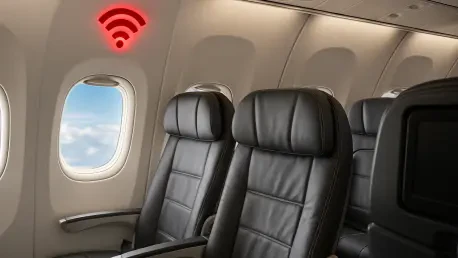

The iconic magenta portal that once greeted travelers as they reached cruising altitude has become an increasingly elusive luxury for the modern T-Mobile subscriber. For over a decade, the telecommunications giant built its brand on the premise of removing the friction of mobile connectivity, positioning free in-flight Wi-Fi as the ultimate trophy for its loyal customers. This perk was not merely a convenience but a symbol of a company that prided itself on disrupting the industry status quo. Today, however, that trophy is losing its luster as passengers find themselves staring at credit card prompts and high-priced login screens on flights where they once expected seamless, free access.
The Altitude Drop in Customer Loyalty
The familiar experience of logging in at 30,000 feet is rapidly changing into a frustrating game of chance for frequent flyers. For years, the Magenta and Go5G plans were the gold standard for travel, offering peace of mind to those who needed to stay productive or entertained while crossing the country. Now, subscribers report a shrinking list of participating airlines and a sudden return to the $8-to-$20 per-flight fees they thought they had escaped during the height of the “Un-carrier” movement.
This decline is more than just a minor technical adjustment; it represents a fundamental shift in the relationship between the carrier and its user base. Loyalty was once fostered through reliable, high-value perks that felt like a reward for choosing T-Mobile over its competitors. As these benefits erode, the sense of exclusivity that once defined the brand is being replaced by the same transactional friction that T-Mobile originally promised to eliminate.
From Market Disruptor to Industry Standard-Bearer
Understanding this pivot requires an analysis of T-Mobile’s historical trajectory from a scrappy underdog to a dominant market leader. The “Un-carrier” movement was a calculated series of aggressive value-adds designed to lure customers away from established giants like AT&T and Verizon. By offering international data roaming and free streaming services, T-Mobile successfully redefined consumer expectations. However, having achieved market parity, the company is visibly shifting its priorities toward traditional corporate metrics and infrastructure cost management.
This transition from a consumer-friendly disruptor to a “premium carrier” signifies a broader trend in the telecommunications industry. The focus is moving away from customer acquisition through perks and toward the preservation of profit margins. While the company once thrived on being different, its current strategy suggests a desire to align with standard industry practices where high-value services are either pay-walled or reserved for the most expensive tiers.
Deconstructing the Decline of In-Flight Connectivity Perks
The erosion of value is manifesting through a quiet reduction in the roster of participating airlines, affecting both consumer and enterprise accounts. While T-Mobile frequently attributes these changes to adjustments in airline-specific Wi-Fi hardware or programs, the resulting lack of transparency has left users guessing which tail fins still support their benefits. This lack of clarity is particularly jarring for professionals who rely on consistent connectivity to manage their “mobile offices” while in transit.
Furthermore, this degradation appears to be part of a larger pattern that includes the removal of various discounts from the T-Mobile Tuesdays program. There have also been unconfirmed reports of the company nudging users away from older, more affordable legacy plans toward newer, more expensive offerings. These incremental changes suggest that the era of “all-inclusive” mobile service is being replaced by a more fragmented and tiered ecosystem.
The Financial and Professional Toll of a Fragmented Sky
For the modern professional, the loss of free connectivity is a significant financial burden rather than a simple inconvenience. In a world where internet access is viewed as a non-negotiable amenity for productivity, the retraction of this benefit creates a costly environment for business travelers. Passengers on flights where the T-Mobile benefit has been pulled are now faced with on-the-spot expenses that can reach $20 per leg, a cost that quickly adds up for those who fly weekly.
Expert analysis suggests that this shift reflects a new corporate focus on restructuring and debt management following major acquisitions. Even if this strategy risks consumer blowback, the company seems to be betting that its network coverage and existing user base are strong enough to withstand the loss of specific perks. However, for a brand that built its identity on “customer obsession,” these financial pivots signal a clear departure from the philosophy that originally fueled its growth.
Navigating the New Landscape of Mobile Travel Benefits
As the “Un-carrier” benefits continue to expire, subscribers must adopt more proactive strategies to maintain their connectivity without incurring excessive costs. Travelers should prioritize booking with specific airlines like Delta, Alaska, or Hawaiian, which have historically maintained deeper integration with mobile loyalty programs. It has also become essential for customers to audit their service contracts against new “premium” offerings to determine if an upgrade actually covers the cost of individual Wi-Fi passes.
Moving forward, travelers were forced to check the fine print of specific airline partnerships at least 24 hours before their scheduled departure. Savvy users began exploring third-party travel credit cards that offered Wi-Fi credits as a backup to their mobile plans. Ultimately, the focus shifted toward diversifying connectivity options rather than relying on a single carrier to provide universal access. This evolution required a more calculated approach to travel planning, ensuring that the mobile office remained functional even as the era of easy, free in-flight data drew to a close.