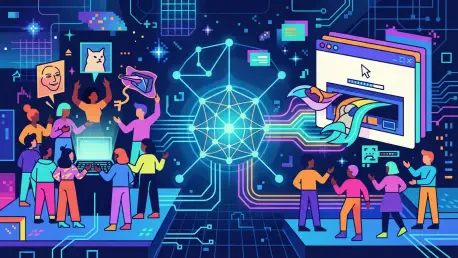

The contemporary internet experience has transitioned from a creative playground into a rigid mechanism for large technology companies to extract profit through aggressive data tracking. This transformation has silenced much of the organic spontaneity that once defined the early digital frontier, replacing it with curated feeds and predictive algorithms that prioritize engagement over genuine connection. Where users once navigated an unpredictable landscape of personal websites and experimental forums, they now find themselves confined within walled gardens that monetize every click and movement. The erosion of the decentralized web has not only impacted privacy but has fundamentally altered the psychological relationship between humans and their tools. As surveillance capitalism becomes the default operating model, the need for alternative pathways becomes increasingly urgent. By reflecting on the vibrant roots of the internet, it is clear that the current path of corporate consolidation is not the only possible reality.
The Cultural Shift Toward Digital Sovereignty
Leveraging Meme Culture: A Critique of Modern Platforms
By reuniting iconic figures from the dawn of social media, such as the Numa Numa Guy and the creators of early viral videos, the campaign highlights the stark contrast between organic fame and the modern influencer economy. These individuals represent a period when the internet felt like a shared experiment rather than a commercial utility designed for maximum extraction. The strategy utilizes this digital nostalgia to remind users of a time when exploration was driven by curiosity instead of algorithmic nudges. This approach effectively positions the browser as a bridge back to that spirit of independence, emphasizing that the tools we use to access the web should serve the user rather than the shareholder. By focusing on everyday people who became legends without sophisticated marketing engines, the narrative underscores the value of a web that remains open, unpolished, and fundamentally human in its creative output and social interaction.
Rebuilding Trust: The Move Toward Surveillance Alternatives
The current browser landscape is dominated by entities that have a direct financial incentive to compromise user privacy, making the role of an independent browser more critical than ever. Aggressive data tracking has become so deeply embedded in the infrastructure of modern browsing that many users have accepted it as an unavoidable tax on digital convenience. However, this acceptance ignores the long-term consequences of allowing a few corporations to dictate the terms of information access. The erosion of agency is further accelerated by the introduction of dark patterns and intrusive features that prioritize data harvesting over functional efficiency. By highlighting these issues, the campaign seeks to mobilize former users who may have drifted toward more convenient, yet less ethical, options. It presents a clear alternative: a software environment where transparency is not just a feature but a foundational requirement for building a secure and equitable digital future.
Future Proofing the Web Through Ethical Software
Prioritizing Personal Agency: The Role of Privacy in 2026
As we move through 2026, the integration of artificial intelligence into daily browsing has become a primary battleground for user control and data ethics. Unlike many mainstream competitors that have forced generative tools and tracking mechanisms onto their user bases without clear consent, Firefox has maintained a philosophy of technical integrity and opt-in functionality. This commitment ensures that users remain the primary decision-makers in their digital experiences, rather than being subjects of non-consensual technological experimentation. The emphasis on built-in tracking protection and customizable privacy settings serves as a practical shield against the pervasive surveillance of the modern web. By providing granular control over how information is shared and how new technologies are utilized, the browser empowers individuals to reclaim their digital autonomy. This technical stance is supported by an open-source development model that invites public scrutiny and accountability.
Sustainable Paths: Preserving the Open Web for the Future
The decision to leverage cultural history proved that the quest for a better internet required looking backward to move forward effectively. Users recognized that the convenience of integrated ecosystems often came at the hidden cost of personal liberty and digital security. To navigate this evolving landscape, it became necessary for individuals to actively select platforms that prioritized transparency and user agency over profit-driven data extraction. The most effective strategy for preserving the open web involved supporting independent organizations that functioned outside the surveillance-based business model. Moving forward, the focus shifted toward demanding interoperability and resisting the consolidation of digital power. Those who adopted these tools found that they could still experience a web that was creative and private, provided they made intentional choices about their software. The preservation of a human-centric internet depended on the collective rejection of passive consumption.