
The financial impact of technical bugs is disproportionately high during peak trading compared to any other time in the retail calendar year. While a minor glitch during a standard Tuesday morning might result in a negligible drop in session value, the same error during a high-stakes event like
The decision to revitalize a decade-old profile involves balancing the rich historical tapestry of the work against its accumulated legacy baggage. In the current technological climate of 2026, a developer's GitHub profile serves as a definitive digital record, functioning as a living portfolio

By integrating Matter, Thread, and Wi-Fi protocols, the HomeAgent serves as a unified central nervous system that coordinates disparate devices from multiple major manufacturers. The smart home industry is currently navigating a pivotal transition from simple automated schedules to sophisticated AI
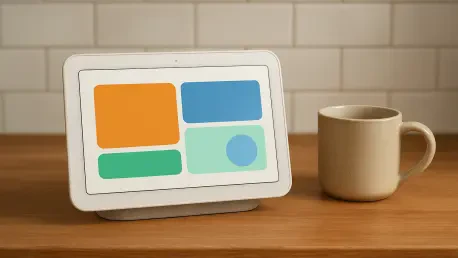
Casual users relying solely on 'Works with Google Home' Wi-Fi devices can avoid the additional cost of a hub by leveraging existing internet infrastructure. As the smart home ecosystem in 2026 continues to migrate toward a more integrated model, the necessity of a physical hardware intermediary has
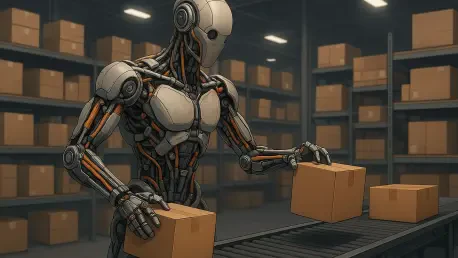
Legacy hardware from early 2024 provided the foundation for testing teleoperation, but the future of the technology rests on autonomous software integration. As industrial environments demand higher levels of precision, the transition from remotely piloted machines to self-governing systems has

As AI agents begin to dominate network activity, the industry must transition from simple value transfer to providing verifiable computing and massive data storage. This fundamental realization sat at the center of Korea Blockchain Week 2026, where the conversation pivoted from retail speculation