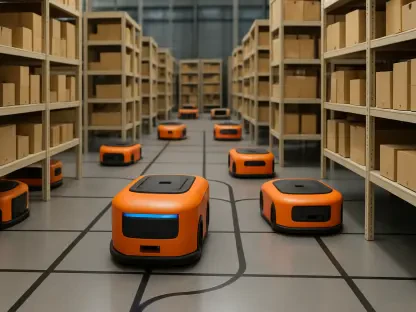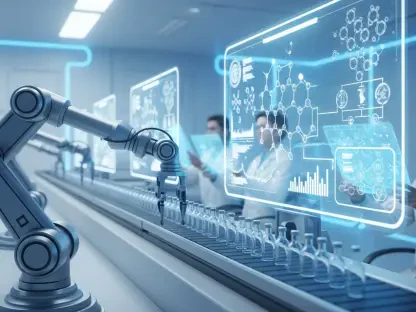
An industry racing to make machines walk, grasp, and reason like people now faces a paradox of plenty, with capital, policy tailwinds, and supply chains generating scale faster than customers can absorb and deploy solutions at a sustainable pace across real workplaces and public services in ways
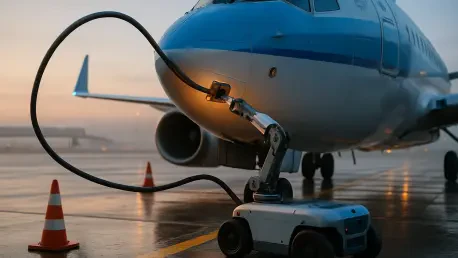
Airports across the world quietly lose time, fuel, and goodwill whenever a parked jet waits for ground power while crews juggle tight schedules, heavy cables, and unpredictable apron conditions under mounting operational pressure. The delay is small in isolation yet compounding in effect: every

For countless amputees, the loss of a limb marks the beginning of a hidden battle—one not just against mobility challenges, but against persistent hip and back pain that creeps in as the body compensates for an unnatural gait. What if technology could rewrite this story, turning a prosthetic from a

In the realm of modern technology, microrobots—tiny machines smaller than a millimeter—hold transformative potential for tasks like delivering drugs directly to specific cells or assembling intricate components in micro-manufacturing. Their minuscule size, however, poses a significant challenge:

Imagine a robot so lifelike that spectators question whether it’s a machine or a human disguised in a metallic shell, sparking debates and doubts across tech circles, and leaving many in awe of its uncanny realism. At a recent AI Day event in Guangzhou, Xpeng, a prominent Chinese electric vehicle
In an era where electric mobility is reshaping the automotive industry at an unprecedented pace, the demand for innovative manufacturing solutions has never been higher, especially when it comes to ensuring precision and efficiency in complex bonding processes. A groundbreaking development has