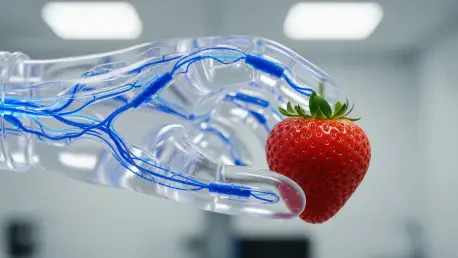
The quest to create a true synthetic muscle—one that rivals the strength, speed, and efficiency of our own—has long been a "Holy Grail" in materials science. Recently, a breakthrough from researchers at the University of Nebraska–Lincoln has brought us a significant step closer with a novel
Oscar Vail is a technology expert with a keen interest in emerging fields such as quantum computing, robotics, and open-source projects. He is consistently at the forefront of advancements in the industry, and his latest work sits at the intersection of materials science and additive manufacturing.

The promise of a robot effortlessly gliding across a window, erasing every smudge and streak with futuristic precision, has long captured the imagination of homeowners weary of ladders and squeegees. This vision of automated, hands-free brilliance is a powerful draw, tapping into the desire to

In a move that sent reverberations through both the automotive and tech industries, Tesla has announced it will cease production of its foundational Model S and Model X vehicles next quarter, marking a definitive pivot away from its luxury electric vehicle roots. The company, which arguably created

The delicate task of picking a ripe raspberry without crushing it has long represented a monumental challenge for robotics, but a new design is closing the gap between machine and human touch by imbuing soft grippers with a comprehensive, human-like sense of perception. Researchers have developed
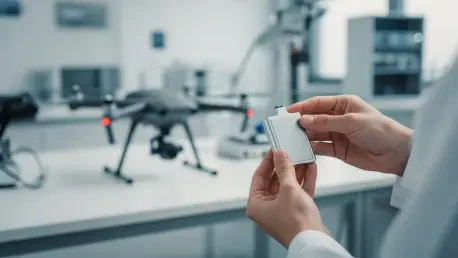
The advanced drones that map disaster zones and the autonomous robots that navigate factory floors share a common, invisible anchor holding them back from their full potential: the limited capacity of their batteries. This fundamental constraint has created a quiet crisis in innovation, where the