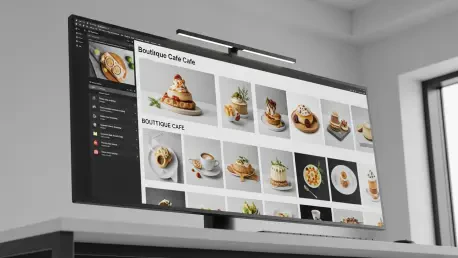

Oscar Vail is a prominent figure in the technology space, known for his deep dives into robotics and quantum computing, but he also possesses a sharp eye for how accessible tools can revolutionize the business landscape. As small businesses navigate an increasingly digital world, Oscar has become a vocal advocate for integrating artificial intelligence into daily operations to maintain a competitive edge. This conversation explores how AI image generators act as a creative sidekick for entrepreneurs who might not have the budget for a full creative team but still need to capture a customer’s attention instantly. We discuss the transition from frustrating midnight DIY sessions to polished, professional visuals and why the human element remains irreplaceable even as algorithms take over the heavy lifting of design.
In the digital marketplace, brands often have only a few moments to capture a potential customer’s interest. Why do you believe the visual quality of a brand’s presence has such a dramatic impact on consumer trust and perception?
It’s a harsh reality, but studies show that customers form an opinion about your business in mere seconds, often based entirely on the imagery they see. When a person lands on your site or scrolls past your Instagram feed, they aren’t reading your mission statement first; they are feeling the vibe of your visuals. Large corporations understand this deeply, which is why they invest millions of dollars into their creative departments to ensure every pixel is perfect. For a small business owner, failing to meet that visual standard can make even the best product look unprofessional or untrustworthy. Using an AI image generator bridges that gap, allowing a one-person shop to present a polished, high-end image that competes with those massive budgets without the massive overhead.
Many entrepreneurs find themselves struggling with design software late at night, trying to fix photos that just don’t look right. How does AI help alleviate the frustration of the DIY design trap?
We’ve all been there—it’s midnight, and you’re hunched over your laptop trying to crop, resize, or fix a blurry photo for your Etsy shop or café’s social media. Without formal Photoshop skills, the results can often scream “DIY,” which isn’t the message most founders want to send to their audience. The beauty of modern AI tools is that they don’t come with a 200-page manual or a steep learning curve that requires months of practice. Instead, they act as a creative sidekick that works instantly within your browser, removing the technical friction that leads to hours of frustration. You can take a lackluster image and, with a few clicks, transform it into something that looks like it was handled by a professional, saving your sanity and your schedule.
Could you share some specific instances where you’ve seen AI image generators transform a business’s workflow, particularly for those who aren’t naturally artistic?
One of the most practical applications I’ve encountered involved an online jewelry seller who struggled with dull, uninspiring product photos. Instead of hiring a photographer for a total reshoot, she used AI to upscale and sharpen the images, making the metals glint and the stones pop with professional clarity. I also saw a startup founder use these tools to generate concept visuals for investor pitches, creating prototypes that looked sleek and ready for the market. Even freelancers are using it to build stylish backgrounds for promotional quotes, turning a plain post into something eye-catching. It’s empowering to see people who don’t consider themselves “artistic” produce clean, usable images that actually move the needle for their business.
There are many platforms available, but you’ve highlighted ImageUpscaler’s AI Image Generator specifically. What makes this particular tool stand out for a busy business owner?
What I appreciate about ImageUpscaler’s platform is its sheer simplicity; it’s built for the person who needs results now, not after hours of training. It allows you to either create entirely original images from scratch or enhance the ones you already have, ensuring the final output is surprisingly sharp and professional. For a business owner who is constantly churning out ads, blog posts, or product catalogs, having a tool that works in seconds is a game-changer. You don’t have to wait days for a design draft to come back from a contractor when you can generate multiple versions on the fly. It effectively fills that critical gap between doing it yourself poorly and spending a fortune on an outside agency.
With the rise of such powerful automated tools, there is often a fear that human creativity might be sidelined. Where do you see the boundary between AI assistance and the necessity of the human touch?
It is important to clarify that an AI tool isn’t a replacement for a professional designer, especially when it comes to the soul of a brand. If you are building a complex brand identity, designing intricate packaging, or launching a massive multi-channel campaign, the experienced eye of a creative human is essential. AI is brilliant at the everyday visuals—the quick social media post, the sharpened product shot, or the experimental prototype—but it lacks the strategic depth of a person. I see it as a shortcut for the high-volume, low-stakes tasks that usually eat up an entrepreneur’s time. Sometimes you’ll hit “refresh” a few times before the AI gets it right, and that iterative process still requires a human to decide what looks “correct” and “on-brand.”
What is your forecast for the use of AI tools in small business design?
I believe we are entering an era where the visual divide between global corporations and local startups will almost entirely disappear. Small businesses will use AI to maintain a level of presentation that was previously impossible without a dedicated creative team, allowing them to compete purely on the quality of their ideas. We will see AI move from being a novelty tool to a standard part of every entrepreneur’s digital toolkit, integrated directly into how they communicate with their audience. While the digital world moves fast, those who embrace these shortcuts will find themselves spending less time on technical frustration and more time on actual growth. Ultimately, the best case is that every small business will have access to visuals that look like they paid a premium designer, leveling the playing field for everyone.