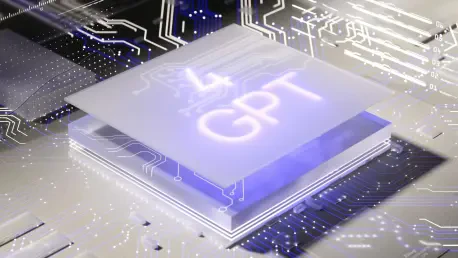
In today's digital age, artificial intelligence continues to reshape the landscape of various industries, and software development is no exception. The recent launch of OpenAI's GPT-4.1 models, now integrated into Microsoft Azure OpenAI Service and GitHub, promises to bring a transformative change
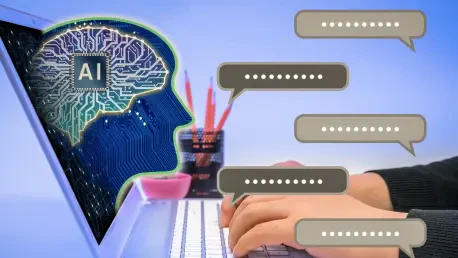
Researchers from leading US universities, including Carnegie Mellon, Stanford, Harvard, and Princeton, have discovered that excessive pre-training of large language AI models can lead to diminished performance rather than improvements. This phenomenon, termed "catastrophic overtraining," challenges
Imagine a technology so precise, it could navigate through the tiniest blood vessels, diagnosing complex vascular issues with unparalleled accuracy. The recent breakthrough in magnetic microrobots offers just that, transforming the future of vascular imaging and patient care. At the forefront of

The advent of artificial intelligence (AI) has been a transformative force in various sectors, and its impact on human creativity and authorship is no exception. The integration of AI into these domains has sparked both excitement and apprehension, as it brings forth new opportunities while
The Birmingham Water Works (BWW) has embarked on a significant initiative to modernize its water billing system through a smart meter project aimed at addressing customer concerns and promoting water conservation. This automated meter-reading system is set to revolutionize how water consumption
AI is evolving rapidly and challenging long-held beliefs about the nature of intelligence. This progression necessitates a reexamination of human cognitive capabilities and their interplay with machine intelligence. As artificial intelligence continues to develop, its advancements compel both