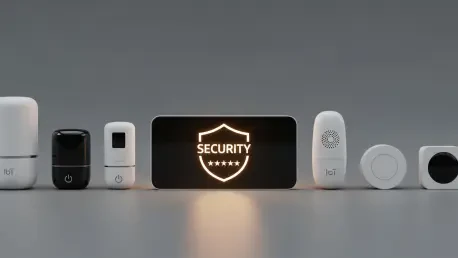

The transition toward more rigorous digital oversight in the world’s largest consumer electronics market reached a critical milestone as the new cybersecurity labeling regime officially launched on July 1, 2026. This initiative represents a fundamental shift in how internet-connected devices are vetted for security before they reach the hands of millions of users across the country. While the program is technically classified as voluntary, its arrival has sent a clear signal to international manufacturers that the baseline for market entry is shifting from basic functionality to verified data protection. For any company producing routers, smart cameras, or sophisticated industrial IoT systems, understanding this framework is no longer an optional exercise but a necessary pillar of long-term commercial viability. The label itself serves as a public-facing testament to a product’s resilience, providing a standardized way for consumers and industrial buyers to differentiate between secure and vulnerable hardware.
1. The Regulatory Framework: Security Tiers and Standards
Under the new regime, the Cybersecurity Labeling System acts as an information certification that validates a connected product’s capacity to defend against modern cyber threats while safeguarding sensitive data. To maintain clarity, the Chinese government maintains an official Product Catalogue that specifies which devices fall under the scope of this program, ranging from home appliances to complex enterprise hardware. Each security mark is designed to be highly transparent, featuring the manufacturer’s name, the specific security tier achieved, a validity period, and a QR code that allows anyone to verify detailed test results instantly. This level of transparency is intended to build public trust and ensure that technical claims are backed by verifiable evidence. By standardizing these requirements, the program creates a level playing field where security excellence is rewarded with a recognizable mark of quality. The inclusion of industrial IoT systems in the initial catalogue indicates that the authorities are prioritizing sectors where data breaches could have significant economic or safety implications.
The framework utilizes a distinctive three-tier star rating system to categorize the level of security maturity present in a device, allowing for a nuanced assessment of different hardware types. A One Star rating represents foundational security, focusing on essential measures like the elimination of hardcoded default passwords and the implementation of reliable software update mechanisms. Moving up to Two Stars indicates an enhanced security posture that significantly exceeds standard market offerings, often involving more robust encryption and access control features. The most prestigious level, Three Stars, is reserved for devices that demonstrate leading security capabilities, requiring intensive third-party penetration testing to prove resilience against sophisticated attacks. This tiered approach allows manufacturers to align their security investments with the specific risks associated with their products’ use cases. It also provides a clear path for continuous improvement, as companies can aim for higher tiers as they refine their product designs over successive iterations.
2. Market Access: Commercial Value and Registration Steps
Although registration is not strictly mandatory by law at this stage, the commercial reality suggests that the label will soon become a de facto requirement for doing business in the region. Distributors, major e-commerce platforms, and government procurement agencies are increasingly expected to favor labeled products, effectively marginalizing those without the certification. In a market where consumer awareness regarding data privacy and digital safety is at an all-time high, the mark serves as a powerful trust signal that can influence purchasing decisions. Foreign brands that early-adopt this standard can gain a competitive advantage by demonstrating a proactive commitment to local security expectations. Moreover, the integration of these labels into the wider regulatory ecosystem means that high-security ratings could eventually become a prerequisite for participation in large-scale infrastructure projects. This shift underscores the importance of viewing cybersecurity not as a technical hurdle, but as a strategic asset that facilitates market expansion and strengthens brand reputation among local stakeholders.
To navigate the registration process successfully, manufacturers must follow a structured six-step workflow that begins with verifying whether their specific device is included in the current official catalogue. Once eligibility is confirmed, the company must select a target security tier—ranging from one to three stars—based on the product’s intended application and the competitive landscape. The technical phase involves conducting rigorous security evaluations to ensure the hardware meets the specific criteria of the chosen tier, followed by the compilation of extensive technical documentation and proof of conformity. All data must then be uploaded through the digital portal managed by the China Electronics Standardization Institute (CESI) for formal review and processing. After the authorities grant authorization, the manufacturer is permitted to feature the mark on the physical product and its packaging, along with the required digital identifiers. This digital-first application system streamlines the certification process, although it requires precise attention to detail to ensure all technical submissions align with the local standards.
3. Long-Term Compliance: Enforcement and Strategic Readiness
Compliance management remains a continuous responsibility, as the authorities have established strict mechanisms to ensure the integrity of the labeling system over the long term. While foreign companies have the option to apply for the label directly, many choose to engage a local agent to handle the complexities of the digital submission and ongoing correspondence with regulatory bodies. The penalties for non-compliance are significant; for instance, making false security claims or failing to update the registration after major technical changes can lead to public blacklisting. Such violations are not only recorded by individual agencies but are also logged into the National Credit Information Sharing Platform, which can have far-reaching consequences for a company’s general business operations. This centralized enforcement approach ensures that manufacturers remain accountable for the security claims they make throughout the product’s entire lifecycle. Consequently, maintaining the validity of a label requires constant monitoring of software updates to ensure they do not compromise the originally certified security level.
The forward-thinking organizations that successfully navigated this transition focused on a comprehensive preparatory action plan that evaluated their internal device security standing against the new requirements. These companies systematically audited their products to identify discrepancies relative to local regulations, ensuring that global hardware versions were properly adapted for the Chinese market. They also analyzed which star tier provided the most strategic benefit for their specific customer segments, whether in consumer electronics or industrial sectors. Furthermore, these businesses reviewed their agreements with original equipment manufacturers and local partners to clarify responsibilities regarding compliance data and ongoing maintenance. This proactive stance allowed international brands to mitigate the risks associated with the new digital environment while reinforcing their commitment to user safety. By aligning technical roadmaps with current priorities, leaders secured their positions and built lasting trust with their user base.