
The recent unveiling of the latest wearable technologies at the Galaxy Unpacked event in London represents a significant shift in how personal computing interacts with the physical world through specialized hardware. This lineup creates a fascinating dynamic between a high-end, rugged “monster” designed for extreme athletes and a more traditional flagship built for the general public. While the Ultra 2 boasts impressive physical specifications, consumers are left to decide if the massive price gap is truly worth the specialized hardware or if the standard model provides a more sensible balance of features for daily use. This year’s strategy suggests that the brand is no longer interested in a one-size-fits-all approach, opting instead to partition its user base into those who require extreme resilience and those who prioritize sleekness. The Ultra 2 is a statement piece for the outdoors, whereas the Watch 9 maintains its status as the default choice for the average user, ensuring that every lifestyle is covered within a single ecosystem.
Strategic Market Positioning: The Niche and the Mainstream
At the heart of this comparison is a clear distinction in target audiences that defines the product strategy for the current release cycle. The Galaxy Watch Ultra 2 positions itself as a niche tool for those who push their equipment to the absolute limit in harsh environments, particularly underwater and on mountain trails. Conversely, the Galaxy Watch 9 serves as the value flagship, offering the same core processing power and software experience as its more expensive sibling at a much lower price point. By analyzing the technical differences and the marketing strategies behind both, users can determine which device fits their specific lifestyle without overspending on specialized features they may never use. This approach ensures that the brand captures both the enthusiast market and the mainstream consumer base simultaneously. The choice is no longer just about owning a watch, but about selecting a specific functional identity that matches one’s daily activity levels and long-term health goals within a digital life.
This segmentation strategy also addresses the competitive landscape, where specialized brands have historically dominated the high-performance sector. By introducing the Ultra 2, the company is directly challenging the dominance of dedicated sports watches while using the Watch 9 to defend its territory against more affordable wearable alternatives. The $320 price difference reflects more than just raw materials; it represents the cost of specialized testing and the inclusion of niche technologies that the average commuter simply does not need. However, for the person who spends weekends scaling granite faces or diving into coastal reefs, that premium pays for peace of mind and data accuracy that can be critical in extreme conditions. The existence of both models provides a rare level of flexibility in the premium market, allowing consumers to choose between the brute force of a specialized instrument and the refined elegance of a standard flagship, all while staying within the same familiar software environment.
Specialized Diving Hardware: The Realities of Professional Tools
The Galaxy Watch Ultra 2 makes a bold play for the diving community, featuring professional-grade certifications like EN13319 and 10ATM water resistance. This hardware is designed to track vital metrics such as depth and water temperature down to 40 meters, aiming to compete directly with dedicated dive computers used by enthusiasts. Samsung has engineered the chassis to withstand the corrosive nature of saltwater and the physical pressure of deep submersions, which is a major leap from the water-resistant ratings of previous generations. For those who frequently transition from the office to the ocean, having a single device that handles both environments is a compelling proposition. However, much of this utility relies on a partnership with a third-party application from Mares, which brings its own set of hurdles for early adopters. The integration of such specific hardware requires a seamless software bridge to ensure that critical data remains accessible and accurate when the user is deep underwater.
A significant point of contention involves the subscription-based model and the specific launch delays associated with these advanced underwater features. The Mares app, which provides essential safety data like decompression limits and nitrogen monitoring, is not available until several weeks after the watch hits the shelves. Furthermore, full access to these professional tools requires a monthly or yearly subscription fee, adding an ongoing cost to an already expensive hardware investment. For professional divers, this recurring cost may make dedicated, non-subscription units from long-standing competitors appear more attractive in the long run. While the hardware is certainly capable of professional-grade performance, the software delivery method creates a barrier that might alienate users who prefer a one-time purchase. This tension between high-end hardware and “software-as-a-service” models is a growing trend that highlights the complexity of modern specialized wearables.
Shared Internal Power: Snapdragon Wear Elite Performance
Despite the significant price difference, both watches are powered by the exact same internal architecture, the Snapdragon Wear Elite. Built on a sophisticated 3nm process, this chip ensures that the user experience—from swiping through menus to launching complex AI tools—remains identical on both devices. Because the Ultra 2 does not offer a speed boost over the standard Watch 9, the choice between them becomes a matter of physical durability and battery life rather than raw processing performance. This parity is a win for the consumer who chooses the more affordable model, as they receive the same cutting-edge speed and efficiency as those paying the premium for the Ultra variant. The 3nm architecture allows for better thermal management and faster response times, making the interaction with the operating system feel fluid and instantaneous. This technological foundation ensures that both watches will remain relevant and capable of handling future software updates for several years to come.
Software consistency further narrows the gap between the two models, as both run the latest Wear OS 7 paired with One UI 9 Watch. This means that the new AI-driven health insights and daily productivity features are available to every user, regardless of which watch they wear. This strategic move ensures that the standard Watch 9 remains a highly capable device, offering the same cutting-edge heart health metrics and smart features as the premium Ultra model. The unified software experience includes advanced sleep coaching, personalized workout routines, and seamless integration with the wider Android ecosystem. By not “gatekeeping” software features for the more expensive model, the brand maintains a level of respect for its core audience while letting the hardware speak for itself. Users can enjoy the latest technological breakthroughs in health tracking without feeling forced to buy the largest and most rugged watch in the catalog, making the decision-making process much more centered on physical preference.
Design Architecture: Durability Versus Versatile Form Factors
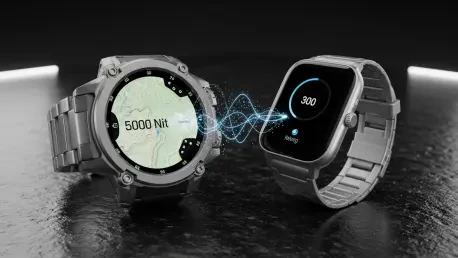
The physical construction of the two watches represents the biggest area of divergence between the rugged enthusiast and the daily user. The Ultra 2 is a titanium powerhouse featuring a 47mm frame, a 5,000-nit display for extreme sunlight visibility, and a massive 800mAh battery designed for multi-day endurance. This design is intentionally bulky, prioritizing structural integrity and battery life over slimness or subtle aesthetics. The titanium Grade 4 casing is specifically chosen for its high strength-to-weight ratio and its resistance to the elements, making it ideal for the most demanding environments on Earth. In contrast, the Watch 9 uses a lighter aluminum build and offers more flexible sizing options, making it a better fit for office environments and standard gym routines. The smaller profile of the Watch 9 allows it to slide under a shirt cuff easily, a task that the Ultra 2 struggles with due to its sheer thickness and the more aggressive design of its specialized bands.
Beyond the hardware, the shift toward actionable health vitals and AI-assisted wellness provides a shared ground for both devices. Both watches utilize a refined health sensor array that tracks respiratory rates, skin temperature, and heart rate variability to establish a personalized baseline for the user. These metrics provide valuable insights into cardiovascular wellness, though they are marketed as tools for general well-being rather than medical-grade diagnostics. The watches also act as controllers for other ecosystem products, such as the upcoming Galaxy Glasses, solidifying a “walled garden” that keeps users engaged with the brand’s various services. While the Ultra 2 offers the 5,000-nit peak brightness for desert treks, the Watch 9’s 3,000-nit screen remains more than sufficient for almost every outdoor activity. The divergence in design ultimately comes down to whether a user needs a specialized instrument for the wild or a refined companion for a balanced, modern life.
Future Considerations: Ecosystem Integration and Final Insights
The analysis of the wearable market suggested that consumers often prioritized perceived durability over actual daily utility. It became clear that while the Ultra 2 offered specialized features, the broader ecosystem benefited most from the software refinements shared across both devices. Prospective buyers who weighed their options realized that the hardware’s success depended heavily on third-party application reliability rather than just physical resilience. The decision-making process eventually moved beyond raw specifications and focused on whether a subscription-based health and safety model fit within a long-term financial strategy. Experts advised that the smartest move involved assessing personal athletic requirements against the additional cost of the titanium frame. By looking at the trajectory of the lineup, it was evident that the brand successfully forced a conversation about the necessity of extreme hardware in a world increasingly dominated by artificial intelligence and seamless cross-device connectivity.
For those seeking a path forward, the recommendation remained centered on the frequency of extreme use cases. If deep-sea diving or high-altitude climbing were weekly occurrences, the Ultra 2 justified its existence through its specialized certifications and extreme battery life. However, for the vast majority of users who required health monitoring and notifications, the Watch 9 emerged as the more rational and comfortable choice. It was essential to consider that the internal processors were identical, meaning that the standard model was never a “slower” watch. Moving forward, the integration with smart glasses and home health hubs suggested that the watch was becoming a central node in a larger digital network. Users were encouraged to invest in the model that suited their current physical comfort rather than buying for hypothetical scenarios. Ultimately, the market proved that the best wearable was the one that felt invisible during the day but remained indispensable when it was time to track a vital health metric or navigate a new city.