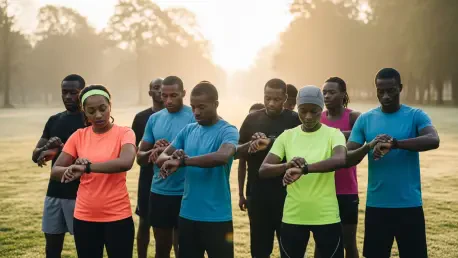

The intersection of algorithmic content consumption and real-world physical activity has transformed how modern audiences perceive fitness from a solitary chore into a shared social currency. This shift is not merely a byproduct of technological advancement but a fundamental change in the psychological drivers that lead individuals to step away from their screens and into the local gym or outdoor track. While legacy platforms often prioritized passive entertainment, current ecosystems like TikTok and Strava have successfully engineered a loop where digital validation fuels physical exertion and vice versa. This phenomenon is visible in the resurgence of community-based sports, where short-form video serves as the discovery engine and data-tracking apps act as the layer of social accountability. The result is a landscape where the distinction between an online persona and a physical athlete becomes increasingly blurred, creating new opportunities for engagement that traditional marketing strategies could never achieve alone in the current era.
The Digital Catalyst: Turning Algorithms into Action
Discovery and Accessibility: The TikTok Influence
TikTok’s ability to democratize specialized athletic knowledge has lowered the barrier to entry for complex sports that were previously gated by expensive coaching or exclusive clubs. By utilizing high-velocity content delivery, the platform allows expert practitioners to share micro-tutorials on everything from proper deadlift form to tactical positioning in pickleball. This rapid dissemination of information demystifies the technical aspects of participation, making intimidating activities feel accessible to the average viewer who might otherwise hesitate to begin. Furthermore, the vlog format of fitness content emphasizes the process rather than just the final result, highlighting the essential routines of preparation and recovery. This shift toward relatable, authentic depictions of athleticism encourages users to view fitness as a sustainable lifestyle rather than an unattainable ideal. Consequently, the transition from watching a thirty-second clip to signing up for a local sports league has become a common journey for millions of active users.
Social Accountability: The Strava Habit Loop
While TikTok excels at discovery, Strava provides the structural framework necessary to turn a one-time activity into a consistent habit through gamified data and peer validation. The platform transforms a morning run into a narrative arc supported by maps, performance metrics, and a community of observers who offer immediate feedback. This Kudos system operates as a powerful psychological reinforcement, creating a sense of professional-level stakes for amateur enthusiasts who take pride in their data visualization. The integration of competitive segments and local leaderboards introduces a layer of healthy rivalry that keeps users returning to specific routes, effectively turning public infrastructure into a digital playground. Moreover, the social aspect of group challenges fosters a collective identity that transcends individual effort, grounding the digital interaction in shared physical exhaustion. By making effort visible and measurable, the platform ensures that the labor of exercise is recognized, thereby sustaining motivation even when internal drive is low.
Corporate Integration: The New Economy of Movement
Brand Synergy: Localizing the Global Experience
Corporate entities are increasingly moving away from traditional broadcast advertising toward integrated experiences that align with the active lifestyles showcased on these social platforms. Rather than simply sponsoring an athlete, brands now invest in hyper-local running clubs and cycling collectives that leverage Strava and TikTok to organize and document their weekly outings. This strategy allows companies to become integral parts of the community fabric, fostering brand loyalty through shared experiences rather than intrusive marketing. Retailers are also experimenting with loyalty programs that link purchase history with activity data, offering discounts or exclusive gear to users who complete specific physical milestones tracked via GPS. This convergence of commerce and activity creates a self-sustaining cycle where the purchase of equipment is justified by the public display of its use. As digital platforms continue to bridge the gap between inspiration and consumption, the commercial landscape for sports apparel is being rewritten for better engagement.
Strategic Outcomes: Sustainable Engagement Models
The integration of social media into physical activity successfully demonstrated that digital tools could act as catalysts for real-world health improvements when applied correctly. Industry leaders recognized that the most effective strategies prioritized long-term habit formation over short-term viral spikes, leading to more resilient community structures. This transition highlighted the importance of data privacy and mental health, as platforms worked to balance competitive elements with the need to avoid burnout. Future developments from 2026 to 2028 pointed toward even deeper integrations with wearable technology and augmented reality, creating immersive training environments that blurred the line between the physical and the virtual. Ultimately, the synergy between entertainment and exertion proved that technology did not have to be a sedentary force, but could instead serve as the primary driver for a more active society. Stakeholders who embraced this hybrid model positioned themselves at the forefront of a movement that redefined fitness as a collaborative endeavor.