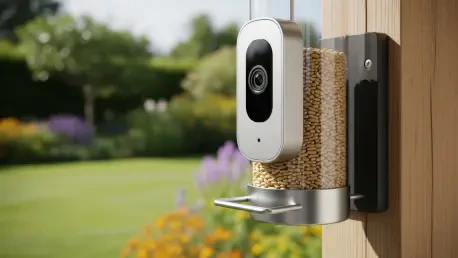

High-tech bird feeder cameras provide an unprecedented window into the private lives of garden wildlife, yet these popular gadgets are inadvertently contributing to a silent health crisis among the very creatures we seek to protect. While the desire to observe nature closely is understandable, conservationists have identified a troubling link between stationary feeding stations and the rapid transmission of deadly pathogens. This article examines the hidden dangers lurking in our backyards and provides evidence-based guidance on how to balance modern technology with responsible wildlife stewardship.
The objective of this exploration is to address the most pressing concerns regarding the safety of camera-equipped feeders and to offer actionable solutions for enthusiasts. By understanding the biological risks involved, readers can expect to learn how to adapt their habits to prioritize animal welfare. The scope of the discussion covers everything from seasonal feeding restrictions to rigorous hygiene protocols, ensuring that the joy of birdwatching does not come at the cost of the birds’ lives.
Key Questions or Key Topics Section
Why are bird feeder cameras becoming a concern for wildlife experts?
The rise of digital birdwatching has led many homeowners to maintain active feeding stations throughout the entire year, creating environments where birds gather in unnaturally high densities. While observing a vibrant array of species on a screen is rewarding, these hubs act as perfect environments for the spread of avian diseases through saliva and droppings. Experts emphasize that the convenience of a camera often leads to a “set it and forget it” mentality, which can result in the accumulation of contaminated organic matter.
Furthermore, the physical design of many camera-ready feeders often prioritizes visibility and aesthetics over sanitation. Flat surfaces and large trays allow birds to walk directly on the food they consume, significantly increasing the likelihood of cross-contamination. When a sick bird visits a crowded feeder, the pathogens left behind can quickly infect dozens of others, turning a helpful backyard resource into a biological hazard that threatens local populations.
How can seasonal feeding adjustments protect birds from disease?
Environmental conditions play a critical role in the proliferation of bacteria and parasites, with the warmer months posing the greatest risk to avian health. Between early May and the end of October, higher temperatures facilitate the rapid decay of leftover seeds and allow dangerous microorganisms to flourish. To mitigate this, conservationists recommend a significant shift in feeding practices during the spring and summer to prevent gardens from becoming disease hotspots.
Instead of keeping seed trays fully stocked during the peak of the warm season, enthusiasts should consider removing traditional feeders entirely. Transitioning to small amounts of mealworms or suet balls can provide necessary nutrients without the high risk of spoilage associated with loose grain. This seasonal approach discourages the mass gatherings that lead to outbreaks, forcing birds to forage more naturally and widely while the risk of infection is at its highest.
What hygiene standards should be maintained for outdoor feeders?
For those who continue to offer food during the colder months, a casual approach to maintenance is no longer sufficient to ensure bird safety. A rigorous weekly cleaning schedule is the baseline requirement for preventing the buildup of lethal toxins and parasites. This process involves more than a simple rinse; it requires a deep scrub with hot, soapy water followed by a disinfectant such as a diluted bleach solution to ensure all surfaces are sterilized.
Moreover, the quantity of food provided at any given time should be strictly regulated to ensure it is consumed before it can fester. Providing only enough seed for a single day prevents moisture from turning the food into a breeding ground for mold. Positioning feeders away from common roosting areas also helps minimize the amount of waste that falls into the feeding zone, further breaking the cycle of transmission that often plagues neglected garden stations.
Are there safer ways to observe garden birds through technology?
Technological enthusiasts who wish to maintain their digital connection to nature can find safer alternatives by refocusing their cameras toward water features rather than food sources. Bird baths equipped with cameras offer a refreshing and fascinating perspective on avian behavior, such as preening and splashing, which is often more dynamic than simple feeding. Because birds do not typically linger as long at a bath as they do at a feeder, the risk of disease transmission is naturally lowered.
However, even these safer alternatives require a commitment to daily upkeep to remain truly sanitary. Stagnant water can quickly become contaminated, so a fresh supply must be provided every morning to keep the environment healthy. By adopting a “seasonal and safe” model that emphasizes hygiene and smart placement, observers can enjoy high-definition views of their local wildlife without inadvertently harming the creatures that visit their gardens.
Summary or Recap
The shift toward high-tech garden observation requires a parallel shift in how humans manage the health of local bird populations. Experts argue that the traditional method of year-round seed feeding is no longer sustainable due to the increased risk of avian disease transmission. By recognizing the dangers of flat-surface feeders and the necessity of seasonal adjustments, hobbyists can significantly reduce the ecological footprint of their backyard activities. The primary takeaways involve rigorous weekly sanitation, the reduction of food volumes during warm months, and the potential transition to camera-equipped bird baths as a safer observation method.
Conclusion or Final Thoughts
The community of bird lovers took a significant step forward by acknowledging that garden stewardship involves more than just providing a meal. In recent years, many enthusiasts moved toward a more conscious interaction with nature by prioritizing the physiological needs of birds over the desire for constant entertainment. It became clear that the most effective way to protect these vulnerable species was to embrace a proactive maintenance routine and a willingness to remove feeders when environmental conditions turned hazardous. By making these small but vital adjustments, individuals ensured that their backyards remained sanctuaries of health and vitality for generations to come.