
The rapid evolution of domestic environments has reached a pivotal juncture where the concept of a connected home is no longer a luxury for the tech-savvy few but a standard expectation for the modern homeowner. As we navigate the middle of this decade, the industry has transitioned from experimental novelty to a robust multi-billion-dollar powerhouse, characterized by a valuation that surpassed the $100 billion milestone just a short time ago. This momentum is not merely a byproduct of increased gadget sales but reflects a fundamental shift in human behavior, as individuals increasingly seek autonomous living spaces that offer safety, efficiency, and comfort. The trajectory for the coming years appears exceptionally strong, with market analysts forecasting a surge that will see the sector double in value to approximately $200 billion by 2033. This growth is sustained by a compound annual rate of roughly 8.5 percent, a figure that underscores the deep-seated integration of technology into the fabric of daily residential life across the globe.
Several catalysts have aligned to drive this unprecedented expansion, including the decreasing cost of high-performance components and the widespread deployment of ultra-reliable 5G networks that provide the necessary backbone for instantaneous communication. Beyond the hardware, the maturation of the industry is evident in the development of sophisticated software ecosystems and the adoption of universal standards that eliminate the silos between competing brands. Investors are closely monitoring these developments, recognizing that the smart home is becoming the primary interface for consumer interaction with the digital world. The transition from 2026 toward the end of the decade represents a period of consolidation and refinement, where the focus has moved toward creating a cohesive user experience that prioritizes privacy and ease of use. As technology continues to permeate every corner of the household, from the kitchen to the bedroom, the implications for energy conservation and personal security are profound, setting the stage for a new era of domestic intelligence.
Core Product Verticals and Market Segments
Smart security solutions continue to dominate the consumer consciousness, serving as the primary entry point for many individuals entering the connected home ecosystem. As urbanization intensifies and the perceived need for proactive safety measures grows, the demand for sophisticated monitoring tools has reached new heights. Modern security systems have evolved significantly from the static cameras of the past; they now incorporate advanced artificial intelligence capable of distinguishing between mundane events, such as a pet moving through a room, and legitimate security threats. These systems utilize facial recognition and behavioral analysis to provide homeowners with a nuanced understanding of who is at their door or on their property. This shift from reactive recording to proactive intervention allows for real-time alerts that are highly accurate, reducing the fatigue associated with false positives and providing a genuine sense of peace in an increasingly busy world.
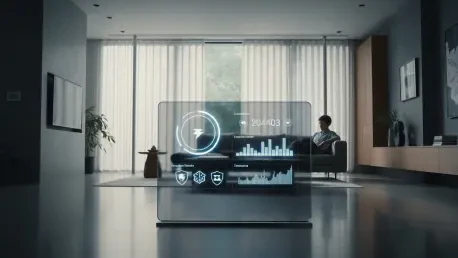
While security provides the necessary foundation of safety, home automation serves as the cognitive center of the residence, orchestrating the complex interactions between various subsystems. Centralized controllers and voice-activated assistants now manage a vast array of functions, including climate control, lighting levels, and even multi-room audio-visual experiences. At the same time, the appliance sector is undergoing a radical transformation as traditional manufacturers integrate connectivity into refrigerators, washing machines, and ovens. These smart appliances are no longer just internet-connected gadgets; they are sophisticated tools that utilize predictive maintenance to alert users to potential mechanical failures before they occur. By optimizing energy cycles and offering remote operation capabilities, these devices reduce the cognitive load on inhabitants, transforming chores that were once time-consuming into streamlined, automated processes that adapt to the specific needs of the household.
Energy management has surfaced as a critical priority for homeowners, particularly as global electricity costs fluctuate and the movement toward environmental sustainability becomes more urgent. Smart thermostats and intelligent meters are now essential components of the modern home, allowing users to visualize their energy consumption in real-time and identify areas where waste can be eliminated. These systems often integrate directly with local energy grids, enabling features like peak-shaving, where high-energy appliances run during off-peak hours to save money and reduce strain on infrastructure. This technology is rapidly transitioning from an optional luxury to a standard requirement for those looking to mitigate their carbon footprint while managing rising utility bills. The ability to monitor and control energy usage from a smartphone has empowered consumers to take an active role in resource conservation, aligning personal financial goals with broader ecological responsibilities.
The intersection of technology and personal health represents one of the fastest-growing segments within the smart home landscape, particularly as the global population continues to age. Health and wellness devices are no longer confined to wearable fitness trackers; they are now embedded into the very walls and floors of the home. Innovative systems can monitor indoor air quality, adjust humidity levels to prevent respiratory issues, and even track the daily routines of elderly residents to detect anomalies that might indicate a health crisis. Automated medication dispensers and non-intrusive vital sign monitors allow seniors to maintain their independence for longer periods while providing their families with the reassurance of remote oversight. This vertical is reshaping the healthcare industry by moving diagnostic and preventative tools from the clinic into the living room, ensuring that the home environment actively contributes to the long-term well-being of its occupants.
Technological Shifts and Industry Trends
The industry is currently undergoing a massive paradigm shift, moving away from basic, rule-based automation toward true artificial intelligence that can think and learn on its own. In the past, a smart home relied on “if-this-then-that” logic, where a light might turn on at a specific time or when a sensor was triggered. Today, sophisticated machine learning algorithms analyze vast amounts of data to understand the unique habits and preferences of every family member. This allows the home to predict needs before they are even expressed, such as pre-heating a specific room based on who is likely to occupy it or adjusting the lighting to match a person’s circadian rhythm. This move toward self-learning intelligence is a major factor in the high levels of investor confidence we see currently, as it promises a future where technology disappears into the background and the home becomes a truly intuitive companion.
A significant historical challenge for the smart home market was the fragmented nature of device ecosystems, which often required users to juggle multiple apps and bridges to manage their various gadgets. However, the widespread implementation of the Matter protocol has fundamentally changed the landscape by providing a universal language for connectivity. This standard ensures that a smart lock from one manufacturer can communicate seamlessly with a lighting system from another, regardless of the underlying platform. By simplifying the installation and setup process, Matter has lowered the barrier to entry for millions of consumers who were previously intimidated by the technical complexities of home automation. This interoperability is expected to catalyze a massive wave of adoption between now and 2033, as the “walled gardens” of tech giants begin to open up, allowing for a more modular and consumer-friendly approach to building a connected household.
Privacy and operational speed are also seeing dramatic improvements through the rise of edge computing, which represents a shift in how data is processed within the home environment. Instead of sending sensitive information like voice commands or video feeds to a remote cloud server for analysis, edge computing allows this processing to occur locally on a powerful home hub or the devices themselves. This approach significantly reduces latency, ensuring that a light turns on the millisecond a motion sensor is triggered, while also keeping personal data within the physical walls of the residence. The development of specialized microchips designed for local AI tasks has made this possible, addressing one of the most persistent concerns among potential buyers: the fear of data leaks and unauthorized surveillance. As edge computing becomes the standard, the smart home will become both faster and more secure, reinforcing consumer trust in the technology.
Regional Growth and Geographic Focus
North America remains the undisputed leader in the smart home sector, currently accounting for more than 35 percent of the total global market share. The United States, in particular, has become the primary hub for innovation, with massive investments flowing into companies that specialize in subscription-based security and comprehensive automation platforms. Consumers in this region tend to have a higher level of awareness regarding the benefits of connected living and have shown a consistent willingness to pay for premium services that offer convenience and peace of mind. The presence of major technology conglomerates has fostered a competitive environment that encourages the rapid deployment of new features, ranging from advanced porch pirate prevention to integrated home insurance programs that reward users for maintaining a monitored security system.
While North America leads in total value, the Asia-Pacific region is experiencing the fastest rate of growth, driven by a unique combination of manufacturing prowess and a booming middle class. China has emerged as a powerhouse in this regard, not only as a global supplier of components but also as a massive domestic market for smart home technology. The rapid construction of high-tech residential complexes in major cities often includes smart features as a standard amenity, rather than an aftermarket add-on. Furthermore, the aggressive rollout of 5G infrastructure across the region has provided the necessary connectivity for advanced IoT applications. Other nations in the region, such as South Korea and Japan, are also contributing to this growth through innovations in robotics and energy-efficient appliances, creating a diverse and dynamic ecosystem that is rapidly closing the gap with Western markets.
In Europe, the market is being shaped by a different set of drivers, primarily focused on government regulations and the transition toward a greener economy. European countries have implemented strict rules regarding energy efficiency in buildings, which has led to a surge in demand for smart heating, ventilation, and air conditioning systems. These regulations often require the integration of smart meters and energy-saving devices in new constructions, making technology an integral part of the regional effort to meet climate goals. Meanwhile, emerging markets in the Middle East and Latin America are showing significant potential as they modernize their urban centers. In cities like Dubai and Riyadh, smart home technology is being integrated into massive “giga-projects” that aim to redefine urban living. These regions are benefiting from their ability to bypass older technologies and adopt the latest 5G and AI-driven solutions from the outset.
Adoption Catalysts and Market Risks
The acceleration of smart living is being fueled by a convergence of technological breakthroughs and changing social dynamics that make connectivity more accessible than ever. The plummeting cost of essential components, such as high-resolution cameras and low-power sensors, has allowed manufacturers to offer sophisticated devices at price points that appeal to middle-class households. This affordability is coinciding with a global trend toward urbanization, where residents of modern apartments are seeking ways to maximize their limited space and enhance their security. The 5G revolution has been instrumental in this transition, providing the bandwidth necessary for dozens of devices to operate simultaneously without clogging the home network. As these factors continue to align, the smart home is evolving from an aspirational concept into a practical tool for improving the quality of life for a broad demographic of users.
Despite the optimistic growth projections, the industry must navigate significant risks that could impede its progress, with data privacy and cybersecurity standing at the forefront. As homes become increasingly populated with microphones, cameras, and biometric sensors, the potential consequences of a security breach become increasingly severe. High-profile incidents of hacking or data misuse have the power to erode consumer trust overnight, leading to a “tech-backlash” where users choose to disconnect rather than risk their personal information. Manufacturers are under constant pressure to prove that their systems are robust enough to withstand sophisticated cyber-attacks, and any failure in this area can lead to long-term reputational damage. The challenge lies in balancing the desire for constant connectivity and personalized AI with the fundamental human need for a private sanctuary that is free from external interference.
Beyond technical risks, the market faces a variety of economic and regulatory hurdles that could impact the speed of adoption across different regions. While the price of hardware has decreased, the total cost of ownership remains a concern for many, especially when professional installation and recurring monthly subscription fees are factored into the equation. There is also the issue of “e-waste,” as consumers worry about the longevity of their devices and whether they will become obsolete in just a few years. Legally, manufacturers must navigate a complex patchwork of privacy laws, such as the stringent requirements found in Europe, which can increase the cost of compliance and limit the features that can be offered in certain markets. Finding a sustainable business model that balances affordable hardware with profitable services while respecting diverse legal frameworks remains a central challenge for the industry as it moves toward the $200 billion goal.
Competitive Landscape and Future Directions
The competitive arena for smart home technology has become a fascinating battleground where traditional appliance giants and modern Silicon Valley firms are vying for dominance. Established brands such as Samsung and LG are leveraging their decades of experience in the kitchen and laundry room to create a seamless connection between hardware and software. These companies have the advantage of being already present in millions of households, allowing them to introduce smart features to a loyal customer base. Conversely, platform-centric companies like Amazon, Google, and Apple are attempting to position themselves as the “operating system” for the home, focusing on voice control and cross-device integration. This competition has resulted in a rapid pace of innovation, as each player strives to create the most intuitive and comprehensive ecosystem that keeps users locked into their specific brand of technology.
In addition to the major conglomerates, a thriving secondary market of specialized companies has emerged, finding success by dominating specific niches like intelligent lighting or robotic maintenance. These firms often lead the way in design and functionality, forcing the larger players to either acquire them or step up their own internal development. At the same time, a new wave of manufacturers from the Asia-Pacific region is disrupting the market by offering high-quality devices at significantly lower price points, challenging the premium positioning of Western brands. This healthy level of competition is ultimately benefiting the consumer, as it leads to more frequent software updates, better build quality, and a wider variety of choices. The market is also seeing a rise in partnerships between tech companies and home builders, ensuring that smart infrastructure is baked into the walls of new houses from day one.
As the industry looks toward 2033, the focus shifted from the sale of individual gadgets to the provision of comprehensive home services. Companies increasingly realized that long-term profitability lay in recurring subscription models that offered tangible value, such as managed energy savings, professional security monitoring, or personalized health coaching. This evolution transformed the smart home from a collection of isolated devices into a fully integrated ecosystem that proactively managed almost every aspect of the resident’s life. The successful brands were those that moved beyond the “cool factor” of technology and focused on solving real-world problems like rising utility costs and the challenges of an aging population. By the time the market reached its valuation milestones, the concept of a “dumb” home had largely disappeared, replaced by a world where the domestic environment was as intelligent and connected as the smartphones in people’s pockets.