
The arrival of the Google Pixel 11 Series signals a definitive end to the era where the company was merely experimenting with consumer hardware and marks the beginning of its dominance as a premier smartphone manufacturer. This iteration represents a sophisticated synthesis of advanced machine learning and refined industrial design, illustrating how Google has matured beyond its initial identity as a search provider. By controlling the entire stack from the proprietary Tensor silicon to the exterior finish, the developer has finally achieved a level of vertical integration that allows for a seamless user experience. This shift represents a broader movement within the industry toward unified ecosystems where hardware and software are indistinguishable.
The Evolution of Google’s Hardware Ecosystem
The maturation of the Pixel brand mirrors the general trend of software companies seeking physical vessels for their artificial intelligence advancements. While previous generations often functioned as reference designs for other manufacturers, the Pixel 11 is built as a direct competitor to the highest-tier flagship devices. This evolution is rooted in the principle that high-performance AI requires hardware specifically tailored to its unique computational demands.
Google has transitioned toward an aggressive, hardware-centric market strategy that prioritizes brand loyalty over broad distribution. By emphasizing the synergy between the device and its cloud infrastructure, the company has created a compelling argument for staying within its ecosystem. This context is vital for understanding the Pixel 11, as the device acts not just as a communication tool but as a central hub for a complex network of intelligent services.
Primary Innovations in Hardware and Design
The “Pixel Glow”: Ambient Notification System
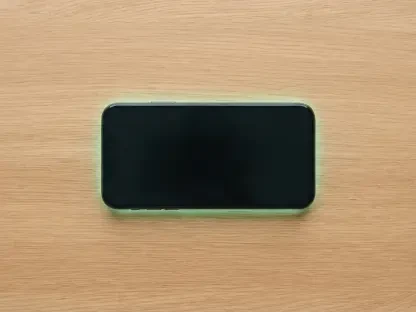
The most striking visual update is the “Pixel Glow” system, which utilizes a multicolored LED array integrated directly into the camera housing. Unlike traditional notification lights that were often relegated to tiny dots on the bezel, this implementation serves as a functional design element that communicates priority and context through color and pulse frequency. This innovation addresses the growing consumer desire for non-intrusive notification management, allowing users to identify alerts without engaging the main display.
Significant attention has been paid to the psychological impact of these visual cues. By utilizing soft, atmospheric lighting, the device reduces the digital fatigue associated with constant screen activation. This design choice highlights a commitment to “calm technology,” where the hardware remains useful without demanding constant attention, thus setting a new standard for how smartphones interact with their physical environment.
Expanded Device Tiering: From Standard to Pro XL
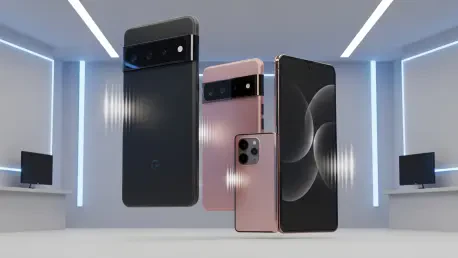
Google has diversified its portfolio by offering four distinct models, ranging from a standard flagship to the expansive Pro XL and the latest Pixel Fold. This tiering strategy reflects a deep understanding of market segmentation, providing options for users who prioritize portability as well as professionals who require maximum screen real estate. The technical performance across these tiers is unified by the latest Tensor architecture, ensuring that even the standard model benefits from advanced processing capabilities.
The introduction of the Pro XL model specifically targets the ultra-premium segment, offering a larger battery and superior thermal management compared to the standard Pro. Meanwhile, the Fold iteration demonstrates significant improvements in hinge durability and crease reduction. This multi-device approach ensures that Google can compete across all price points in the flagship market, challenging the traditional dominance of its primary rivals.
Strategic Shifts in Consumer Acquisition and Industry Trends
The marketing campaign for the Pixel 11 signifies a departure from conservative promotional tactics toward a high-intensity acquisition strategy. By introducing exclusive pre-order incentives and early-access offers, the brand is adopting the retail techniques used by established leaders in the mobile space. This move is designed to capture market share early in the cycle, leveraging consumer anticipation to build a substantial user base before competitor launches.
Moreover, the aesthetic direction of the series, particularly the new gold colorway, indicates a pivot toward luxury positioning. This choice is a calculated response to industry trends where premium finishes are used to justify higher price points. By aligning the Pixel’s visual identity with high-end jewelry and lifestyle accessories, Google is successfully retooling its brand image from a utilitarian tech choice to a status symbol within the premium landscape.
Real-World Applications and Ecosystem Integration
The Pixel 11 serves as a foundational component of a broader technological environment, integrating deeply with the Google Watch and other specialized peripherals. This connectivity allows for a frictionless transfer of data and control, where the smartphone acts as the primary processor for a suite of wearable devices. For instance, health data and media controls are synced with low latency, providing a unified experience that enhances the utility of each individual component.
In professional settings, the expanded displays of the Pro XL and Fold models enable unique use cases such as multi-window multitasking and mobile content creation. Creative professionals can utilize the increased screen real estate for precise photo editing or video sequencing on the go. This versatility demonstrates that the hardware is no longer limited to consumption; instead, it has become a legitimate tool for production and complex problem-solving in a mobile-first world.
Technical Limitations and Market Obstacles
Despite the hardware advancements, the brand faces challenges regarding software versioning and the timing of operating system updates. Rumors regarding whether the device would ship with Android 16 or 17 created initial confusion in the market, highlighting the pressure on Google to align its software development cycles with hardware releases. This disconnect can occasionally lead to a fragmented user experience if the hardware’s full potential is not immediately supported by the latest software features.
Furthermore, the implementation of sophisticated ambient lighting systems like the “Pixel Glow” introduces technical hurdles regarding battery efficiency and long-term durability. Maintaining a premium price point in a saturated market requires more than just innovative lighting; it demands a flawless execution of every feature. As consumers become more discerning, the pressure to justify the cost of these high-end devices remains a significant obstacle for the brand.
The Future Trajectory of the Pixel Brand
The future of the brand lies in the even deeper integration of proprietary silicon and AI-driven hardware features that go beyond current capabilities. Breakthroughs in foldable technology, such as thinner displays and more complex multitasking interfaces, are expected to redefine the form factor of the smartphone. As Google continues to refine its Tensor chips, the ability of these devices to perform complex AI tasks locally will likely diminish the reliance on cloud processing.
This evolution will have a long-term impact on the entire Android ecosystem, as Google’s hardware often sets the benchmark for other manufacturers. The move toward more specialized hardware will likely encourage a shift toward more diverse device shapes and functions. Eventually, the Pixel brand could transition from a smartphone line into a comprehensive suite of ambient computing devices that inhabit various aspects of daily life.
Final Assessment of the Pixel 11 Series
The Pixel 11 Series effectively demonstrated Google’s ability to compete at the highest level of the flagship market through a combination of hardware refinement and strategic marketing. The introduction of the “Pixel Glow” and the expanded device lineup provided a clear alternative to traditional market leaders, emphasizing both aesthetic appeal and functional innovation. By aligning its retail strategy with premium industry standards, the company successfully elevated its brand perception among a wider consumer demographic.
The transition toward a more integrated ecosystem highlighted the growing importance of hardware-software synergy in modern mobile technology. While technical hurdles regarding software alignment and battery management persisted, the overall trajectory suggested a strong future for proprietary silicon. Ultimately, the series solidified Google’s position as a dominant force in the global smartphone market, setting a high standard for subsequent developments in the Android landscape.