
The Minimal Phone utilizes a 4.3-inch e-ink display and a tactile QWERTY keyboard to prioritize essential communication over high-contrast digital distractions. As the global smartphone market in 2026 faces a saturation point where hardware specifications have largely plateaued, consumer interest has pivoted toward the digital well-being sector. This shift is not merely a rejection of technology but a sophisticated re-evaluation of the attention economy. Users are increasingly seeking devices that act as specialized tools rather than all-encompassing entertainment hubs that demand constant engagement. Consequently, a new category of Android-powered hardware has emerged, focusing on intentional limitations. By utilizing the Android Open Source Project, these manufacturers provide a middle ground where critical modern infrastructure—such as mobile payments, ride-sharing, and encrypted messaging—remains accessible, yet the addictive qualities of endless scrolling and high-frequency notifications are physically mitigated by the hardware itself. This evolution suggests that the future of mobile design may not be defined by how much a device can do, but by how effectively it helps the user do less.
The Integration of Intentional Hardware Friction
E-Ink Technology and Physical Privacy Controls
E-ink screens have become a cornerstone of this minimalist revolution due to their inherent technical constraints. Unlike traditional OLED or LCD panels, e-ink displays have a low refresh rate that makes watching high-speed video or playing fast-paced games almost impossible. This hardware friction is a deliberate design choice found in devices like the Minimal Phone, which forces the user to interact with the device through text and static images. In 2026, this technology has matured to offer better clarity and outdoor visibility, making it an ideal choice for professionals who need to manage emails and coordinate schedules without the constant pull of colorful social media feeds. The tactile QWERTY keyboard further reinforces this utilitarian approach, providing a physical feedback loop that touchscreens lack. This combination of an e-ink interface and physical buttons transforms the smartphone into a modern typewriter, where the act of communication is deliberate and focused, effectively reducing the time spent on mindless browsing and increasing the quality of digital interactions.
Beyond visual limitations, the 2026 minimalist market has prioritized physical privacy solutions as a core hardware feature. The Mudita Kompakt serves as a primary example of this trend, integrating a dedicated offline button that provides a definitive analog solution to digital concerns. While software-based airplane modes or do not disturb settings can often be bypassed by background processes or system-level tracking, a physical slider that cuts power to all wireless radios and sensors offers a level of certainty that modern consumers crave. This hardware-first approach to privacy caters to a growing demographic that is wary of the persistent data harvesting typical of standard flagship devices. By utilizing a deGoogled version of Android, these phones ensure that no background data is sent to central servers while the device is in its offline state. This physical manifestation of digital boundaries represents a significant departure from the trend of always-on connectivity, proving that in 2026, the ability to disappear from the network is as much of a feature as the ability to connect to it.
Grayscale AMOLED and Sensory Management
While e-ink is highly effective at reducing consumption, some users require a higher degree of responsiveness for essential tasks like GPS navigation or music management. To address this, manufacturers like Light have introduced the Light Phone III, which utilizes a matte-textured AMOLED screen permanently locked into grayscale mode. This hardware configuration provides the smooth animations and quick response times of a traditional smartphone but removes the psychological dopamine hits associated with vibrant, high-contrast colors. Research in 2026 has consistently shown that colorful icons and high-saturation advertisements are specifically designed to keep users engaged for longer periods. By stripping the interface of its color, the hardware effectively democratizes the visual information, making a banking app feel as mundane as a text message. This sensory management allows users to navigate the digital world with precision and efficiency without being lured into secondary, unplanned tasks that usually result from the visual stimulation of modern mobile operating systems.
The implementation of matte screen protectors and low-persistence displays further differentiates these luxury minimalist devices from the glossy, hyper-reflective panels found on mass-market flagships. These hardware choices are designed to reduce eye strain and eliminate the lure of the screen when the device is sitting on a table. In 2026, the matte aesthetic has become a symbol of a refined relationship with technology, where the device does not beg for attention through shimmering glass and vivid pixels. Instead, the screen acts more like paper, providing information only when the user chooses to look at it. This focus on passive hardware design aligns with the broader movement of calm technology, which argues that tools should remain in the background until needed. By choosing specialized AMOLED panels that prioritize text legibility and low-light comfort over HDR video performance, manufacturers are successfully catering to a market that values mental clarity over digital immersion, fundamentally changing the criteria by which high-end mobile hardware is judged.
Reimagining Form Factors for Reduced Usage
Retro Hybrids and Geometric Constraints
The resurgence of legacy form factors in 2026 is not merely a nostalgic trend but a practical strategy for reducing screen time. The F1 Horizon Bluebird, for instance, has gained significant traction among younger generations by reviving the flip phone design while maintaining modern connectivity standards. The physical act of closing the phone provides a psychological end to a digital session, a gesture that is entirely missing from the infinite slab designs of traditional smartphones. This retro-utilitarian hardware often omits a web browser entirely, relying on a simplified version of Android that only supports core applications like maps, weather, and messaging. By introducing this geometric constraint, the device makes it physically impossible to doomscroll or lose hours to the internet. The secondary external display on these devices is typically limited to showing the time and caller ID, ensuring that the user only opens the phone for a specific purpose, thereby reinforcing the habit of intentional usage.
In contrast to the larger-is-better philosophy, the Jelly Star and its successors have pioneered a minimalism by design philosophy by shrinking the hardware to the size of a credit card. While these devices are technically fully-featured Android phones with powerful processors, their 3-inch displays create a natural barrier to excessive usage. Typing a long social media post or watching a feature-length film on such a small screen is inherently difficult and uncomfortable. This functional friction encourages the user to treat the phone as a secondary tool for quick check-ins and essential communication rather than a primary portal for entertainment. In 2026, this approach has proven particularly popular among athletes and minimalist travelers who require the utility of a smartphone—such as GPS and contactless payments—without the bulk or the distraction of a large-screen device. The small form factor acts as a physical reminder of the phone’s role as a utility, effectively preventing it from becoming the center of the user’s social and professional life.
Strategic Integration of Efficiency and Legacy Ports
From a technical perspective, the minimalist hardware of 2026 has diverged from the mainstream by prioritizing long-term reliability and physical connectivity over ultra-thin profiles. Many of these devices have reintroduced the 3.5mm headphone jack and microSD card slots, features that were largely phased out of flagship phones years ago. This decision is driven by a desire for local sovereignty over media; users of minimalist phones often prefer to maintain their own libraries of music and podcasts rather than relying on data-heavy streaming services that require constant connectivity and subscription fees. By providing these legacy ports, manufacturers are supporting a more sustainable and offline-capable lifestyle. Furthermore, because these phones are not designed to run power-hungry graphics engines or high-resolution video streams, they can utilize mid-range chipsets that are far more power-efficient. This results in battery life that often extends to a full week on a single charge, providing a level of reliability that standard smartphones cannot match.
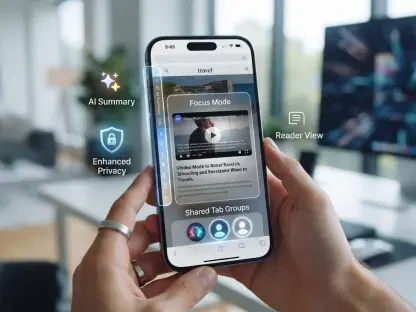
The industry recognized that the true luxury of 2026 was not found in the inclusion of more features, but in the curated absence of distractions. Manufacturers pivoted away from the race for more megapixels and higher gigahertz, focusing instead on how hardware could facilitate a healthier relationship with the digital world. Consumers sought out devices that provided the necessary tools for modern life without the psychological baggage of the attention economy. This movement led to the development of modular AOSP branches that allowed for deep hardware-level integration of focus modes and privacy shields. Looking forward, the success of these minimalist devices suggests that the next phase of mobile evolution will likely involve hybrid hardware that can physically transform to match the user’s current needs, such as modular screen attachments or physical notification filters. The transition toward intentional design served as a vital corrective to a decade of digital excess, proving that the most advanced technology is often the one that knows when to get out of the way.