
The shift toward professional-grade mobile cinematography has reached a significant milestone as high-end sensors now require substantial physical infrastructure to realize their full potential. In 2026, the distinction between a flagship smartphone and a cinema camera has blurred significantly, yet the ergonomic limitations of a thin slab of glass remain a persistent hurdle for serious creators. The emergence of specialized accessories has transformed these devices from casual recorders into legitimate production tools. By integrating sophisticated mounting systems and thermal management, manufacturers are addressing the core weaknesses that once relegated mobile filming to social media clips. This evolution reflects a broader trend where the quality of the glass and the stability of the frame are prioritized over mere software processing. As creators demand more granular control and better physical handling, the industry is witnessing a surge in modular ecosystems that bridge the gap between pocketability and professional utility. The Oppo Find X9 Ultra serves as a catalyst in this movement, proving that high-end imaging hardware requires a physical rig to achieve cinematic results.
Engineering a Professional Mobile Rig
Modular Architecture: The Foundation of the Khronos Creator Kit
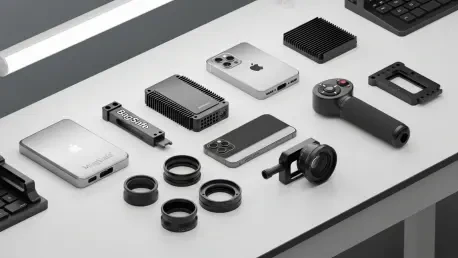
The Tilta-designed Khronos Creator Kit serves as the primary foundation for this transformation, utilizing a heavy-duty metal MagSafe case that provides both protection and professional functionality. This system moves beyond simple snap-on accessories by incorporating a secure locking front bezel that ensures optical alignments remain precise during rigorous movement or high-intensity action shots. Within this modular framework, videographers can attach a variety of specialized components, such as a 67mm filter thread adapter for using industry-standard neutral density or polarizing filters. The inclusion of a cold shoe mount and an ARCA quick-release adapter allows for seamless transitions between handheld shooting and tripod setups, mirroring the workflow found in traditional film production. Furthermore, the 300mm teleconverter lens adapter expands the focal range significantly, offering creative flexibility that was previously unattainable on a mobile platform without significant quality loss or digital cropping. This hardware configuration provides the structural integrity needed for demanding professional environments.
A robust modular system is only as effective as its build quality, and the Khronos Creator Kit utilizes a blend of metal and high-grade plastics to provide a substantial, professional feel in the hand. This combination of materials ensures that the rig remains durable enough for field use while keeping the overall weight manageable for long shooting days. The various mounting points are strategically placed to allow for the attachment of external lights, microphones, and even secondary storage solutions, effectively turning the smartphone into a centralized production hub. By allowing users to customize their setup based on the specific needs of a project, the kit eliminates the one-size-fits-all limitation typical of mobile devices. This level of customization is essential for creators who need to adapt quickly to changing lighting conditions or audio requirements. The result is a versatile filming platform that can scale from a minimalist street photography setup to a fully rigged cinema system, all while maintaining the core portability of the smartphone itself.
Power Management: Advanced Controls and Ergonomic Stability
One of the most significant components of this ecosystem is the primary control grip, which is designed to be deeper than many standard camera grips to provide enhanced stability during handheld operation. This grip features a rubberized texture that improves handling in various weather conditions, ensuring that the operator maintains a secure hold during complex tracking shots. Connecting via Bluetooth or USB-C, the grip contains an internal 5,000mAh battery that supports 30W charging for the phone, significantly extending the duration of high-intensity filming sessions. It is equipped with a dampened control dial that allows for smooth manual focusing or precise focal length adjustments, providing a tactile experience that digital sliders simply cannot replicate. The presence of a dedicated function button and a textured shutter button further streamlines the shooting process, allowing for quick setting changes without the need to interact with the touchscreen, which often introduces unwanted camera shake.
Beyond simple ergonomics, the control grip serves as a vital bridge between the user and the phone’s advanced imaging software. By offloading power requirements and providing physical controls, the grip allows the videographer to focus entirely on composition and timing. The 30W charging capability ensures that the device remains powered even when recording at maximum resolution and frame rates, which typically drain standard smartphone batteries in a matter of minutes. This power delivery system is particularly useful when utilizing external accessories that might otherwise tax the phone’s internal resources. The integration of such professional-grade power management tools highlights a shift toward treating the smartphone as a serious component of a larger production workflow. With these enhancements, the operator can maintain a steady frame and consistent settings throughout an entire production day, mirroring the reliability expected from traditional professional cinema cameras and high-end mirrorless systems.
Performance Optimization and Software Synergy
Thermal Regulation: Solutions for High-Bitrate Workflows
Sustaining high-bitrate video recording in demanding formats like Log or HDR presents a significant thermal challenge for any compact mobile device. To address this, the kit features a MagSafe-mounted cooling fan designed to dissipate heat during extended filming sessions, preventing the processor from throttling and ensuring consistent frame rates. This component is essential for professionals who require the highest possible data rates for post-production flexibility, as heat buildup often limits the duration of high-quality captures in standard mobile devices. While the fan requires an external power source to operate, its presence acknowledges the reality that professional imaging requires robust environmental management. This proactive approach to cooling allows the device to maintain peak performance even in warm environments, bridging the gap between consumer hardware and professional gear. The integration of active cooling solutions signals a new era where mobile devices are no longer restricted by their own internal heat constraints.
The cooling system is specifically tuned to manage the thermal output generated when the Oppo Find X9 Ultra pushes its sensor and processor to their limits. When recording in professional color spaces, the amount of data being processed generates significant internal heat that can lead to dropped frames or system shutdowns if not properly managed. By utilizing a MagSafe attachment, the cooling fan can be quickly added or removed based on the specific needs of the shot, providing a modular solution to a hardware problem. This flexibility is key for creators who may only need active cooling during specific high-demand sequences, such as long-form interviews or continuous action takes. Furthermore, the ability to maintain a lower operating temperature also helps preserve the long-term health of the internal battery and electronic components. By addressing the thermal bottleneck, the Khronos Creator Kit enables the phone to operate as a reliable production tool that can be trusted to perform consistently under pressure throughout a professional shoot.
Software Precision: Manual Control and Ecosystem Integration
The functionality of the Khronos Creator Kit is designed to work in tandem with the Oppo Pro Video app, providing creators with granular manual control over every aspect of the shooting process. This software integration allows for advanced features like focus peaking, which helps ensure that subjects remain sharp even when using shallow depths of field. The app also provides real-time monitoring of audio levels, exposure histograms, and white balance, giving the operator the data needed to make informed creative decisions on the fly. This level of software precision is what separates a high-end filmmaking tool from a standard camera app, as it prioritizes the needs of the professional over automatic convenience. By combining this sophisticated software with the physical controls of the Tilta grip, the system offers a tactile and informative experience that rivals many dedicated cinema cameras. This synergy between hardware and software is crucial for achieving professional results in the field.
The competitive landscape for mobile videography has traditionally been dominated by established ecosystems, yet the combination of superior hardware and dedicated software is shifting that balance. While certain competitors have long held the lead in terms of third-party support and software optimization, the Oppo Find X9 Ultra provides a hardware-first alternative that appeals to those prioritizing raw image quality and sensor size. The Khronos Creator Kit enhanced this proposition by providing the physical interface necessary to navigate the complexities of the Pro Video app effectively. Features like real-time waveform monitoring became significantly more useful when the operator had the stability of a physical grip and the precision of a dampened control dial. At a pre-order price of approximately €140, this kit offered a high-value entry point for creators who wished to bypass the limitations of standard smartphone ergonomics. This investment represented a strategic shift for videographers, moving toward a more versatile platform that maximized the utility of imaging sensors.
Future Directions in Mobile Cinematography
The integration of the Tilta Khronos Creator Kit with the Oppo Find X9 Ultra established a new benchmark for mobile cinematography by addressing long-standing ergonomic and thermal limitations. This development suggested that the future of high-end video production would increasingly rely on modular ecosystems that allowed for rapid transitions between different shooting styles. For independent filmmakers and content creators, the priority shifted toward investing in hardware that supported standard industry accessories like 67mm filters and ARCA mounts. Professionals sought ways to incorporate these mobile rigs into larger production environments, utilizing the Bluetooth-enabled grips and external cooling to maintain reliability on set. Moving forward, the focus moved toward even tighter integration between hardware sensors and manual control interfaces, ensuring that the software capabilities were never throttled by physical constraints. The success of this modular approach paved the way for more specialized mobile kits that prioritized professional features over general consumer appeal, fundamentally changing how creators approached mobile production. Professionals should now look toward adopting modular cages that offer thermal management as a standard requirement for high-bitrate video projects.