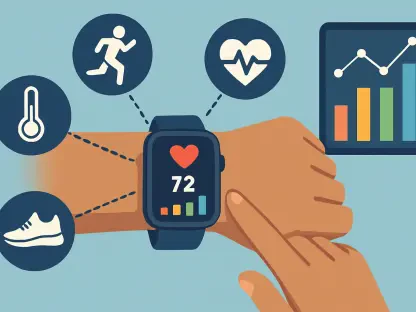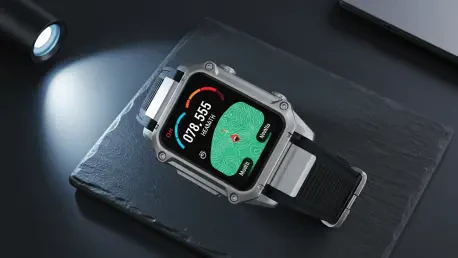

The seamless integration of biometric precision and advanced computational power has finally pushed wearable technology beyond its initial role as a simple notification hub into the realm of indispensable life management systems. Today, the global smartwatch landscape is characterized by a sophisticated maturation where devices serve as primary health monitors and navigational anchors for diverse populations. This evolution was primarily driven by the rapid convergence of ultra-efficient silicon architecture and high-fidelity sensor arrays that provide actionable data rather than mere estimates. Rather than prioritizing novelty aesthetics, the current market defines value through measurable performance metrics, such as processor instructions per cycle and the absolute accuracy of heart rate variability tracking. These wearables have become central to personal wellness, offering a level of deep ecosystem integration that fundamentally alters how individuals interact with their surroundings, blending the digital and physical worlds into a unified experience.
Technical Standards: The Convergence of Silicon and Biometrics
Modern industry standards now rely on rigorous assessments of hardware specifications and real-world performance data to determine market leadership. A critical benchmark for high-end wearables is display luminosity, now frequently measured in thousands of nits to ensure flawless outdoor legibility under direct sunlight. Beyond visuals, the precision of multi-system satellite positioning has become a non-negotiable requirement for professional and enthusiast-grade devices. High-frequency updates from dual-band GPS, alongside support for various global constellations, allow for pinpoint accuracy in dense urban canyons or remote mountain ranges. This technical shift indicates a move toward hardware that functions reliably in extreme conditions, where the margin for error is increasingly thin. Reliability is no longer a luxury but a fundamental expectation, as users rely on these metrics for safety and performance optimization in their daily routines.
Building on this hardware foundation, the depth of third-party application support and battery endurance figures serves as a primary indicator of a device’s long-term utility. In the current environment, the most successful platforms are those that allow developers to access low-level sensor data, enabling specialized tools for niche sports and medical monitoring. Battery life, particularly in low-power modes, has transitioned from a point of criticism to a major competitive battleground. Manufacturers are now achieving unprecedented efficiency by utilizing specialized co-processors that handle background tasks while the main chip remains dormant. This architectural approach ensures that a device remains functional for several days, even when performing intensive background health scans or maintaining a constant connection to cellular networks. Consequently, the distinction between a gadget and a reliable tool is now defined by the consistency of this performance over extended periods of operation.
Specialized Monitoring: The Transformation of Health and Material Durability
Specialized health monitoring has transitioned from niche medical equipment into a foundational feature of the modern smartwatch, providing users with professional-grade insights. Advanced sensors capable of performing electrocardiograms, body composition analysis, and detailed sleep staging are now standard across all top-tier models. This leap in functionality allows for the detection of subtle physiological changes that might indicate early signs of illness or overtraining. The sophistication of these sensors is matched by the algorithms that process the data, offering predictive analytics that help users make informed decisions about their lifestyle and recovery. As these technologies become more integrated into the healthcare system, the smartwatch acts as a constant link between patients and providers, facilitating a more proactive approach to wellness. This shift has elevated the device from a fitness tracker to a critical health companion that monitors vitality with clinical precision.
Accompanying this functional leap is a significant shift toward premium durability, where high-performance materials like titanium and sapphire glass have become the standard for the industry. These materials are chosen not just for their aesthetic appeal but for their ability to withstand extreme environmental stressors, from corrosive saltwater to intense physical impacts. This focus on physical resilience ensures that the sophisticated sensors inside remain protected and functional regardless of the user’s activity level or environment. Furthermore, the design philosophy has moved toward a modular approach where bands and casings can be easily adapted for different professional or athletic contexts. The result is a device that feels equally at home in a corporate boardroom as it does on a high-altitude expedition. This combination of ruggedness and elegance reflects the dual nature of the modern user, who demands equipment that can keep up with a fast-paced, multifaceted lifestyle without compromise.
The Endurance Divide: Navigating the Future of Wearable Platforms
The trajectory of wearable technology was defined by a shift from simple peripherals to central hubs that integrated seamlessly into the daily lives of global users. During the period between 2026 and 2028, the industry focused on refining the accuracy of biometric sensors and enhancing the durability of hardware to meet rigorous professional standards. Manufacturers prioritized the development of energy-efficient processors that allowed for sophisticated background processing without compromising the physical footprint of the device. This era saw the stabilization of ecosystem standards, where cross-platform compatibility and data security became the primary drivers of consumer trust. As the technology matured, the emphasis moved away from adding new features toward perfecting the reliability and precision of existing ones. This period established a baseline for what users expected from high-performance wearables, setting the stage for a more integrated and health-conscious society that relied heavily on real-time data for decision-making.
Strategic decisions in the smartwatch sector were ultimately guided by the need to balance computational power with environmental sustainability and user privacy. Organizations that invested in proprietary health algorithms and sustainable material sourcing found themselves at a significant advantage as consumers became more discerning about data ownership and ethical manufacturing. The successful integration of satellite-based communication further decoupled the wearable from the smartphone, allowing for a truly independent user experience in remote locations. Moving forward, the focus remained on enhancing the predictive capabilities of these devices, transitioning from reactive monitoring to proactive intervention in health and safety. The industry moved toward a landscape where the smartwatch was not just a screen on the wrist, but an invisible guardian that facilitated a healthier and more connected lifestyle. By emphasizing long-term durability and specialized utility, the global market solidified its role in the broader technological landscape, ensuring its continued relevance.