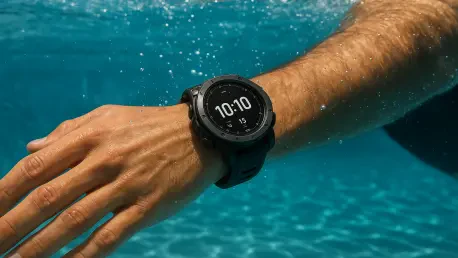

The emergence of the three thousand five hundred nit display on mid-range devices ensures that navigating complex offline maps is possible even during high-intensity training sessions. The landscape of multisport GPS smartwatches has undergone a dramatic transformation as of late 2026, reaching a state of high maturity where premium features, once reserved for elite-tier electronics, are now standard in mid-range devices. This shift means that high-resolution displays, multi-band GPS accuracy, and advanced recovery metrics are accessible without a thousand-dollar investment. Success in the current market is no longer defined by the mere presence of a sensor but by how intuitively that technology integrates into an athlete’s life. Modern devices are judged on user interface fluidness and the inclusion of practical, “sneaky” features that prove invaluable during the heat of a race or a pre-dawn training session. The “sweet spot” for value has officially moved to the $400 to $600 price bracket, making elite performance tracking accessible to the broader community of age-groupers. This democratization of high-end hardware allows athletes to focus more on their physiological progress and less on the limitations of their equipment. As connectivity and screen technology have improved, the gap between a pure fitness tracker and a comprehensive health computer has narrowed, providing a more holistic view of the human body under the unique stresses of swim, bike, and run disciplines.
Strategic Methodology: Performance Evaluation and Testing
The insights provided in this analysis are grounded in rigorous, real-world testing conducted by industry veterans who understand the specific demands of triathlon. These evaluations go beyond basic tech specs to see how a watch performs when being pulled under a tight wetsuit or during high-intensity intervals where heart rate accuracy is notoriously difficult to maintain. Testing protocols involve several layers of scrutiny, including daily wearability for comfort and “Tri Battery Life” stress tests. This custom metric accounts for the heavy drain of always-on AMOLED displays combined with daily GPS-intensive workouts, providing a much more realistic picture of endurance than the optimistic figures often quoted on manufacturer packaging. By focusing on the intersection of hardware reliability and software intelligence, these tests reveal which devices actually aid in training and which ones simply provide a stream of unhelpful data.
Furthermore, nighttime data like Heart Rate Variability (HRV) is analyzed to see if the watch provides actionable recovery advice or just raw numbers. This is critical because the modern triathlete relies on a device to act as a digital coach, signaling when to push through a hard session and when to prioritize rest. Analysts spent hundreds of hours in 2026 wearing these devices through varying weather conditions, from humid open-water swims to freezing mountain runs, to ensure the GPS chips and optical sensors remained consistent regardless of the external environment. The methodology prioritizes the end-user experience, evaluating how easy it is to toggle between sport profiles during a rapid transition or how visible the power numbers are while hunched over aero bars. This comprehensive approach ensures that the recommendations are based on practical utility rather than just theoretical specifications or marketing hype.
Suunto Race 3S: The Engineering of Compact Performance
The Suunto Race 3S enters the 2026 market as a specialized option for those prioritizing a lightweight and slim profile without sacrificing structural integrity. Weighing in at only 56 grams, it is significantly lighter than its predecessors, making it an excellent choice for athletes with smaller wrists who want a device that essentially disappears during a long run. Despite its premium build, featuring sapphire crystal and a 2,000-nit AMOLED screen, the Race 3S faces stiff competition in a crowded marketplace. While it offers 45 hours of multi-band GPS and robust offline mapping, its value proposition is challenged by other models that offer more battery life or larger screens for a lower price point. It remains a high-quality, albeit niche, contender for those who value Finnish design and a simplified, distraction-free user experience. The physical button feedback and the quality of the materials used in the casing provide a tactile sense of durability that is often missing from more plastic-heavy competitors.
Beyond its physical attributes, the Suunto software ecosystem has matured significantly, offering deeper insights into training load and recovery cycles. The Race 3S utilizes advanced algorithms to track the chronic training load and provide a simplified score that helps prevent overtraining injuries. However, the smaller screen size compared to the standard Race 2 model means that some complex topographic maps can feel a bit cramped when viewed at high speed. This trade-off between portability and screen real estate is the central decision point for potential buyers. For the athlete who finds larger watches cumbersome during sleep or under tight cycling jerseys, the 3S represents a pinnacle of miniaturized tech. It successfully bridges the gap between a sleek everyday timepiece and a rugged multisport tool, though it requires the user to be more deliberate about charging cycles compared to its larger siblings in the Suunto lineup.
Coros Pace 4 Pro: Redefining the Mid-Range Value
The Coros Pace 4 Pro has established itself as a powerhouse in the mid-range segment, offering elite-level metrics at a fraction of the cost of luxury competitors. Its most striking feature is a 3,500-nit display, which ensures that navigation maps remain perfectly visible even under the most punishing direct sunlight. This level of brightness was previously unheard of in the sub-$500 category, and it drastically improves the utility of the 32GB of onboard mapping storage. Beyond the screen, the Pace 4 Pro excels in ergonomics, weighing only 51 grams with a very thin chassis that makes it one of the most transition-friendly watches for triathletes. When combined with its intuitive digital dial for map zooming and a competitive $450 price tag, it stands out as the primary rival to more expensive flagship models, proving that high performance does not always require a thousand-dollar investment.
The efficiency of the Coros operating system allows the Pace 4 Pro to achieve impressive battery milestones despite its high-output screen. This efficiency is a result of years of software refinement, focusing on minimizing background processes while maintaining high-frequency data sampling during active sessions. For the triathlete who participates in several races a year, the “race mode” on the Pace 4 Pro is particularly effective, offering a streamlined interface that displays only the most critical metrics like pace, heart rate, and power. The inclusion of a high-quality optical heart rate sensor and a robust satellite antenna ensures that the data being fed into the Coros EvoLab platform is accurate and reliable. This device represents a shift in the market where the “budget” option is no longer a compromise but a strategic choice for the performance-oriented athlete who values simplicity and speed over luxury materials.
Apple Watch Ultra 4: Physiological Precision and Connectivity
For athletes deeply embedded in the Apple ecosystem, the Ultra 4 represents a significant leap forward in physiological tracking and daily utility. Its “Overnight Vitals” feature is currently the gold standard for accuracy, capable of detecting subtle changes in respiratory and heart rates that may signal an oncoming illness or overtraining before the athlete even feels symptoms. This predictive capability transforms the watch from a passive recording device into an active health monitor that can save weeks of training by suggesting rest at the right moment. While it excels as a daily smartwatch and health monitor, it still grapples with battery limitations compared to dedicated sports watches. It provides enough power for approximately two days of use, including sleep tracking, which is sufficient for most, but may fall short for those tackling multi-day ultra-endurance events or those who simply do not want to worry about a nightly charging routine.
The integration with third-party apps and the seamless transition from the office to the track remains the Apple Watch Ultra 4’s greatest strength. The ability to receive high-fidelity turn-by-turn directions, stream music without a phone, and use cellular connectivity for emergency calls provides a level of safety and convenience that other brands are still struggling to replicate. For the data-curious athlete, the depth of information available in the Health app is staggering, providing long-term trends that can be shared directly with coaches or medical professionals. However, the touchscreen-centric interface can still be a hurdle in wet conditions or while wearing thick gloves, although the Action Button provides a customizable physical shortcut that mitigates this issue. It is the premier choice for the modern athlete who views their sport as one part of a highly connected, data-driven life and is willing to trade battery longevity for unparalleled smart features.
Amazfit T-Rex Dual Solar: Rugged Durability and Innovation
Amazfit has moved away from its budget-brand roots to deliver a robust, feature-packed alternative in the T-Rex Dual Solar. This watch is designed for extreme durability and longevity, featuring dual-sided solar panels and a built-in LED flashlight that has become a surprisingly essential tool for triathletes navigating dark transition areas or early morning gear checks. The T-Rex offers over two weeks of battery life and a large, high-resolution AMOLED screen, though its 94-gram weight and bulky footprint may be too cumbersome for some during high-speed run sessions. The hardware is built to military-grade standards, ensuring it can withstand the shocks, vibrations, and temperature extremes often encountered in the life of an outdoor adventurer. While the user interface has a steeper learning curve than Garmin or Apple, the sheer volume of features provided at its price point makes it an attractive “rugged” option.
The solar charging technology in the T-Rex Dual Solar is particularly innovative, utilizing panels on both the face and the underside of the watch to maximize energy harvest even when the screen is obscured. While this may not fully power the watch indefinitely, it significantly extends the time between traditional plug-in charges, which is a major advantage for athletes who frequently travel for races. The inclusion of a speaker and microphone for voice commands adds another layer of utility, allowing for hands-free adjustments during a ride. Despite its massive size, the watch remains comfortable for long-duration wear due to the high-quality silicone strap and the strategic weight distribution of the casing. It represents a bold direction for Amazfit, targeting the segment of the market that demands the toughest possible hardware without the premium price tag associated with established Western legacy brands.
Garmin Fenix 9 Pro Solar: The Professional Standard
At the top tier of the market sits the Garmin Fenix 9 Pro Solar, a device that functions more like a specialized survival tool than a standard smartwatch. With a price tag exceeding $1,300, it includes integrated inReach satellite communication and LTE, allowing for emergency messaging and SOS functions even when far beyond the reach of cell towers. This feature set is aimed squarely at the adventurer and the professional athlete who train in remote wilderness areas where cellular reliability is non-existent. Interestingly, this model retains a Memory-in-Pixel display to prioritize extreme battery life, which can last over a month in daily wear mode. The lack of an AMOLED screen on this specific model is a deliberate choice for those who value visibility in direct sun and extreme longevity over the vibrant colors and high resolution found in the rest of the Garmin lineup.
The Fenix 9 Pro Solar also introduces advanced training readiness scores that incorporate more variables than ever before, including jet lag advisors and chronic stress markers. For a triathlete traveling internationally for a World Championship event, these features provide a scientific framework for adjusting sleep schedules and training intensity to peak on race day. The ecosystem of Garmin Connect remains the most comprehensive platform for endurance athletes, offering deep integration with power meters, smart trainers, and electronic shifting systems. While the physical size and cost of the Fenix 9 Pro Solar may be overkill for the average suburban triathlete, it remains the gold standard for those who require a failure-proof device for high-stakes environments. It is a piece of professional equipment that happens to tell time, offering a sense of security and a depth of data that is currently unmatched by any other single wearable.
The Technological Dominance of AMOLED Displays
By 2026, the transition from older display technologies to AMOLED is nearly complete across the industry. The high resolution and vibrant color palettes of these screens are essential for interpreting detailed offline maps while on the move, allowing for instant recognition of terrain features and route markers. Modern battery optimizations and more efficient processors have largely neutralized the historical argument that these bright screens drain power too quickly for endurance use. Most watches now offer “always-on” modes that can still last through a full Ironman-distance race, which was a significant technical hurdle only a few years ago. This shift has changed the aesthetic of the multisport watch, moving it away from the dull, utilitarian look of the past toward something that feels like a modern piece of consumer electronics.
Only a few specialized models continue to use older screen technology for specific long-duration niches. For the vast majority of triathletes, the clarity of an AMOLED screen provides a superior experience, especially when navigating complex routes or reviewing training data in varying light conditions. The ability to use high-contrast color coding for heart rate zones or power targets makes the data much easier to digest at a glance during a high-intensity effort. Furthermore, the brightness of these screens has reached a point where they can overpower even the harshest midday sun, ensuring that the athlete never has to squint to see their splits. This evolution in display tech is not just about vanity; it is a functional improvement that enhances safety and performance by keeping the athlete’s eyes on the path ahead while providing the necessary feedback in a clear, instantaneous format.
Integrating Holistic Health Metrics into Training
A modern GPS watch is now expected to be a comprehensive health monitor that never leaves the wrist. Metrics such as sleep stage tracking, HRV, and daily readiness scores have transitioned from experimental extras to essential training tools for the serious amateur and professional alike. These data points help athletes decide when to push through a hard session and when to prioritize rest, effectively bridging the gap between a simple timer and a digital coach. The increased accuracy of these sensors across all brands has forced a software arms race, with companies developing sophisticated algorithms to interpret raw data into actionable coaching advice. This holistic approach recognizes that what happens during the twenty-two hours of the day when an athlete is not training is just as important as the two hours they are.
The sensitivity of these sensors has improved to the point where they can often identify the physical signs of stress or impending illness before the user is consciously aware of them. By monitoring trends in resting heart rate and sleep quality over several weeks, these devices provide a “readiness score” that has become a staple of modern endurance culture. This data-driven approach to recovery helps prevent the common trap of overtraining, which can sideline an athlete for months. As these algorithms become more personalized through machine learning, they are able to account for the unique physiological responses of the individual, rather than relying on broad population averages. This level of personalized insight ensures that every workout is optimized for the athlete’s current physical state, leading to more consistent progress and a lower risk of injury.
Final Decision Framework for the Strategic Athlete
The selection of a multisport watch in 2026 was ultimately driven by how an athlete prioritized specific “superpowers” over others. For those focused on racing and pure value, a lightweight and bright device like the Coros Pace 4 Pro emerged as the most logical choice, providing every necessary metric without the bulk or the high price of flagship models. The industry had reached a point where software elegance and hardware reliability were no longer exclusive to the most expensive tier, allowing athletes to make decisions based on ergonomics and specific utility. The decision-making process was further refined by the smartphone ecosystem the athlete lived in, with the Apple Watch Ultra 4 offering a seamless experience for iPhone users that no other brand could fully replicate. This period marked the end of the era where one brand dominated the market, as specialized competitors found success by catering to specific athlete profiles.
The final landscape favored devices that could act as 24/7 companions rather than just workout timers. For the adventurer, the rugged durability of the Amazfit or the satellite safety of the Garmin Fenix series became the deciding factor, ensuring that they remained connected and safe in remote locations. Meanwhile, the standardization of high-quality mapping and AMOLED displays meant that even the most basic models were capable of guiding an athlete through a new city or a remote trail. The market had moved toward a model of refined specialization, where the best watch was the one that fit most naturally into the athlete’s daily routine and training philosophy. As hardware specifications began to plateau, the focus shifted entirely to the software experience and the actionable insights derived from the data, ensuring that the technology served the athlete’s goals rather than becoming a distraction.