


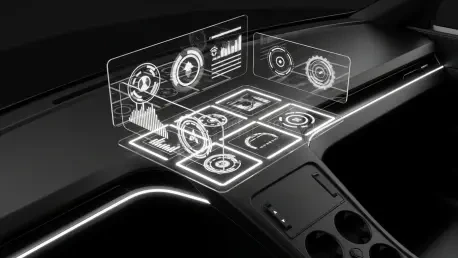

The modern vehicle dashboard has evolved from a simple cluster of analog gauges into a sophisticated digital nerve center that rivals the most advanced smartphones. Currently, Android Auto dominates a significant portion of the automotive market, yet its interface has remained largely static compared to the fluid environments of mobile operating systems. Manufacturers and software developers are now pivoting toward dynamic, user-centric dashboards that prioritize real-time data over simple app mirroring.
This shift is largely driven by competitive pressure from Apple CarPlay’s extensive redesigns, which have set a high bar for visual hierarchy and interactivity. As screen sizes in new vehicles grow larger and more diverse in aspect ratio, the need for a software architecture that can adapt to different hardware configurations becomes paramount. Success in this landscape depends on moving away from a one-size-fits-all grid toward an interface that feels integrated rather than overlaid.
The Evolution of the In-Car Digital Ecosystem
The transition from a basic projection of phone apps to a fully integrated ecosystem represents a fundamental change in how drivers interact with their vehicles. While early versions of infotainment software focused on safety through simplicity, today’s users expect a higher level of personalization. This demand forces a reevaluation of the current landscape, where the dominance of a few platforms is challenged by the need for more flexible, responsive design frameworks.
Hardware integration remains a significant hurdle as manufacturers experiment with ultra-wide or vertical displays. Software must now be intelligent enough to identify the available real-estate and organize information in a way that remains legible at a glance. By shifting toward dynamic layouts, developers can ensure that critical functions stay within the driver’s primary line of sight while secondary information resides in accessible peripherals.
Driving the Next Generation of Automotive Connectivity
Emerging Features and the Influence of Gemini AI
The recent integration of Gemini AI into the Android ecosystem marks a turning point for automotive connectivity, moving the platform toward predictive utility. Developers have uncovered code suggesting a dedicated Car widgets feature that will allow users to pin specific tools, such as battery status or calendar previews, directly to the main view. This advancement mirrors the usability of modern smartphones, ensuring that the car becomes an extension of the user’s digital life.
Moreover, the shift toward glanceable information helps bridge the gap between productivity and road safety. Third-party developers now have the opportunity to create specialized widgets that monitor vehicle health or manage smart home devices from the road. This synchronization ensures that the automotive ecosystem is no longer an isolated island but a functional node in a wider network of connected devices.
Market Projections and the Performance of Connected Software
Looking ahead, the connected car market is projected to see substantial growth from 2026 through the end of the decade. Data-driven forecasts suggest that user adoption rates for personalized infotainment features will rise as drivers seek vehicles that offer a more tailored experience. Platform loyalty is increasingly tied to how well a software suite integrates with a user’s existing digital habits, making widget customization a key performance indicator.
The potential impact on future vehicle purchasing decisions is significant, as software capability often outweighs traditional performance metrics for younger buyers. A formal rollout of these interactive elements is expected to enhance user retention by providing a unique interface that evolves with the driver. As software becomes the primary differentiator, the ability to deliver a seamless and attractive UI will define the market leaders of the coming years.
Navigating Technical Constraints and User Safety
Introducing interactive elements to a dashboard requires a delicate balance between utility and the critical challenge of limited screen real estate. While widgets offer high value, they must not interfere with the prominence of navigation and safety alerts. Designers are currently developing strategies to ensure that these interactive components remain secondary to the primary driving task, preventing the interface from becoming cluttered or overwhelming.
Managing cognitive load is the most significant hurdle for engineers who must ensure that widgets do not create dangerous driver distractions. Maintaining software stability across a vast array of hardware from different car manufacturers adds another layer of complexity. Ensuring a smooth frame rate and responsive touch controls is essential for a system that must function reliably in a high-stakes environment like a moving vehicle.
Compliance, Safety Standards, and Data Security
The regulatory landscape for automotive software is becoming increasingly stringent, with new driver distraction laws influencing how interfaces are designed. Industry standards like ISO 26262 govern the responsiveness and reliability of digital displays, ensuring that software failures do not lead to safety risks. Developers must adhere to these rigorous guidelines while pushing the boundaries of what a modern UI can achieve.
Data privacy also remains a top priority, especially when sensitive information is displayed on a public-facing dashboard widget. Securing calendar entries or fitness data requires robust encryption and user-defined visibility settings to prevent unauthorized access. Furthermore, mandatory safety updates often dictate the pace of deployment for experimental features, ensuring that innovation never comes at the cost of passenger security.
The Future Road Map for Personalized Infotainment
The trajectory of automotive software points toward a future defined by fully modular cockpits powered by Android Automotive OS. As 5G connectivity and edge computing become standard, vehicles will be capable of delivering real-time, data-heavy updates without latency. This infrastructure will support predictive intelligence, where widgets anticipate a driver’s needs based on their routine, location, and even physiological data.
Disruptors like augmented reality heads-up displays may eventually replace traditional screens, projecting widget information directly onto the windshield. This evolution would eliminate the need to look away from the road, further integrating digital tools into the physical act of driving. The vehicle is rapidly transforming into a personalized mobile workspace, where the boundary between the office, the home, and the road continues to blur.
Summary of the Automotive Software Transformation
The introduction of home screen widgets served as a catalyst for modernizing the Android Auto experience, proving that personalization can coexist with safety. Stakeholders in the automotive industry recognized that the digital environment within a vehicle is now a primary factor in consumer satisfaction. By prioritizing a unified and glanceable interface, developers successfully navigated the complexities of diverse hardware and strict regulatory standards. The transition toward a more modular and AI-driven cockpit laid the groundwork for the next generation of intelligent transportation. This evolution demonstrated that a vehicle is no longer just a mode of transport but a sophisticated tool for productivity and connectivity. Moving forward, the industry benefited from a commitment to balancing innovative UI features with the fundamental requirement of driver focus.







