
The shift toward high-density digital learning environments has transformed the traditional university campus into a complex ecosystem where connectivity is no longer a luxury but a fundamental requirement for academic achievement. Students arriving on campus in 2026 carry an average of four to five connected devices, ranging from laptops and tablets to smartwatches and augmented reality headsets used in specialized lab environments. This explosion of demand puts immense pressure on legacy infrastructure that was never designed to handle such a high volume of concurrent, bandwidth-intensive connections. Institutions that have failed to modernize their networking backbones face significant hurdles, including dropped connections during critical exams and the inability to support collaborative research projects that require real-time data streaming. Conversely, schools that prioritize robust, high-capacity wireless and wired systems find that they can offer more personalized learning experiences and attract top-tier talent.
Integrating Artificial Intelligence: The Proactive Management Revolution
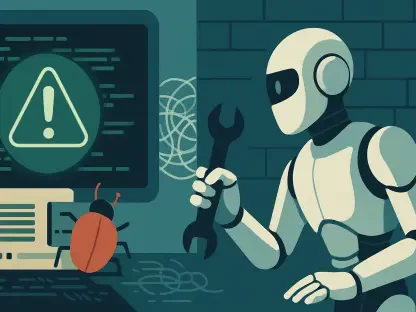
Modern networks now utilize advanced artificial intelligence and machine learning algorithms to monitor traffic patterns and predict potential failures before they impact the end user. In 2026, network administrators no longer spend the majority of their time troubleshooting individual connection issues but instead focus on high-level strategy and security. AI-driven platforms can automatically adjust signal strength in crowded lecture halls or re-route traffic during a sudden surge in demand, such as during a university-wide sporting event or a major software update release. This proactive approach ensures that the learning environment remains stable and predictable, allowing professors to incorporate sophisticated digital tools without the fear of technical disruptions. By analyzing historical data, these systems also help in capacity planning, ensuring that hardware upgrades are targeted exactly where they are needed most rather than being applied as a blanket solution across the entire campus footprint.
The adoption of Wi-Fi 7 standards has been a catalyst for this transformation, providing the multi-gigabit speeds and ultra-low latency required for the next generation of educational applications. High-definition video conferencing and massive open online courses have evolved into immersive experiences where students from around the globe participate in virtual classrooms as if they were physically present. This level of interaction is only possible through a network architecture that minimizes jitter and maximizes throughput across a diverse range of environments. Furthermore, the integration of 6 GHz bands has alleviated the congestion previously found in the 2.4 GHz and 5 GHz spectrums, providing a cleaner pathway for mission-critical academic data. As universities continue to expand their digital footprints from 2026 to 2028, the reliance on these high-speed standards will only intensify, making hardware choice a defining factor in an institution’s competitive edge.
Implementing Resilient Security: Zero Trust and IoT Management
Securing a campus network in the current landscape requires a fundamental shift away from perimeter-based defenses toward a comprehensive Zero Trust architecture that verifies every user and device. With thousands of guest users, faculty members, and researchers accessing sensitive data, the traditional model of trusting everything inside the network has become a dangerous liability. Modern implementations utilize micro-segmentation to isolate different types of traffic, ensuring that a compromised student laptop cannot serve as a gateway to the university’s financial records or confidential research databases. By assigning specific permissions based on identity and context, IT departments can limit the lateral movement of threats and respond to incidents with surgical precision. This granular control is especially vital for protecting intellectual property in high-stakes research environments, where a single data breach could result in the loss of years of work and millions of dollars in grant funding.
The university administration recognized that maintaining a competitive edge required a holistic approach to network lifecycle management. They established a recurring assessment framework that evaluated hardware performance against emerging pedagogical needs every six months. By allocating specific portions of the annual budget to infrastructure resilience, they avoided the pitfalls of sudden, large-scale technological debt. Furthermore, they fostered a culture of continuous learning by providing the IT department with access to industry-recognized certification programs focused on cloud security and AI operations. These strategic investments ensured that the institution was prepared for the shift toward hybrid research models and increasingly complex digital curricula. Leaders also sought feedback from the student body to ensure that connectivity improvements aligned with the actual needs of those on the ground. This collaborative and forward-thinking methodology successfully transformed the campus into a resilient hub of innovation.