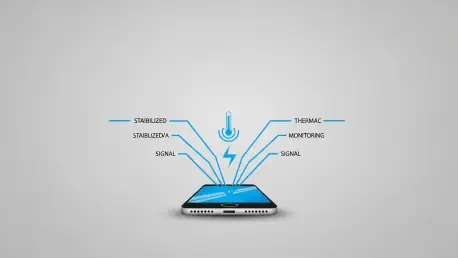

Owners of the latest iPhone 17 flagship have recently encountered a frustrating technical hurdle where the device abruptly ceases power intake despite being connected to certified MagSafe or USB-C hardware. This unexpected behavior emerged shortly after the previous software iteration, causing significant disruption for professional users who rely on consistent battery reliability throughout their demanding workdays. Apple has responded swiftly to these widespread reports by launching iOS 26.5.1, a targeted maintenance release specifically engineered to address the underlying power management conflicts. The issue appeared to stem from a synchronization error between the sophisticated thermal monitoring system and the high-speed charging controller, leading the handset to enter a protective shutdown mode even when temperatures remained within safe operating parameters. Consequently, many users found themselves unable to reach a full charge, which necessitated an immediate intervention from the engineering teams to restore full functionality to the premium hardware.
1. Initiating the System Rectification
Building on the immediate need for a resolution, the deployment of iOS 26.5.1 focuses on recalibrating the handshake protocols between the iPhone 17 internal circuitry and various third-party charging accessories. Software engineers identified that the power delivery negotiation was failing under specific voltage fluctuations, particularly during the transition from fast charging to a trickle charge state at eighty percent capacity. By refining these algorithmic thresholds, the update ensures that the device maintains a stable connection without triggering false positives for electrical surges or heat spikes. This technical adjustment is crucial because it prevents the software from prematurely disconnecting the power source, thereby allowing the lithium-ion cells to complete their cycle efficiently. Furthermore, this patch incorporates updated firmware for the proprietary power management chip, which enhances overall energy efficiency and reduces the latency previously observed when users initially plugged in their devices. The update process remains streamlined to ensure that the global user base can transition to the more stable environment without significant downtime.
2. Securing Long-Term Hardware Stability
Looking ahead at the implications of this fix, the implementation of more robust diagnostic tools within the operating system allowed engineers to monitor real-time battery degradation and thermal stress more accurately than in previous versions. Users were encouraged to verify their current system status by navigating to the settings menu to initiate the download, ensuring that the manual installation bypassed any potential delays associated with automatic background updates. The resolution provided by iOS 26.5.1 successfully mitigated the risk of premature component wear that often accompanies irregular charging cycles and inconsistent power intake patterns. Experts recommended that owners performed a full discharge followed by a continuous charge to one hundred percent once the update was finalized to reset the internal fuel gauge calibration. This proactive approach ensured that the software accurately reflected the physical state of the battery, providing more precise remaining time estimates for the interface. By addressing these foundational issues, the tech sector observed a significant decrease in support requests related to hardware failure, confirming that the software-based optimization was effective in preserving the longevity of the iPhone 17.