
Cardano’s Ouroboros protocol operates on a probability-based system where the likelihood of validating a block increases with the amount of ADA a stake pool controls. This structural choice has allowed the network to flourish as a third-generation blockchain, effectively addressing the limitations
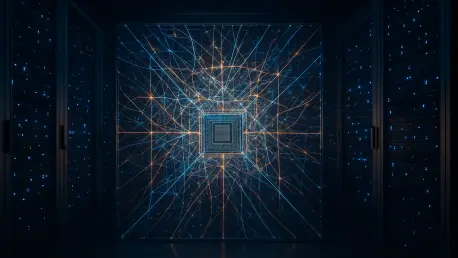
Functional obfuscation allows a program to execute its tasks while keeping its proprietary algorithms completely unreadable to those with the source code. This concept, often described as the "final boss" of the cryptographic world, aims to create a true black-box environment for digital logic.

Technical experiments on the NEAR testnet are proving that the building blocks for quantum-resistant banking are sufficiently mature to move beyond laboratory environments into live simulations. As the computational power of quantum processors accelerates, the traditional foundations of asymmetric

Modern digital infrastructure faces a persistent paradox where the demand for seamless user experiences often collides with the necessity for robust data protection. Assistant Professor Alex Ozdemir is bridging the gap between theoretical cryptography and computer architecture to make
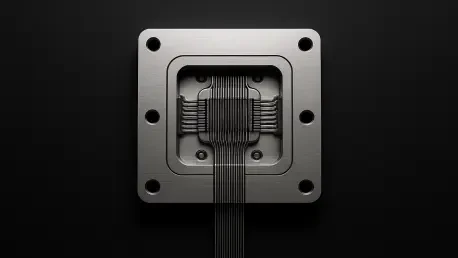
Addressing the physical bottleneck of qubit control, IBM’s new cooling subsystem offers twelve times the wiring area of the original Quantum System 1 to accommodate complex future processors. As researchers push toward the boundaries of superconducting qubit technology, the demand for stable,
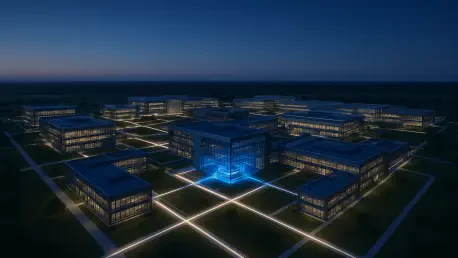
The recent Texas Quantum Summits at UT Dallas and Texas A&M have already primed the state's university system to utilize the Foundry as a bridge to industrial application. This development represents more than just a local expansion; it signifies a strategic pivot in how the United States