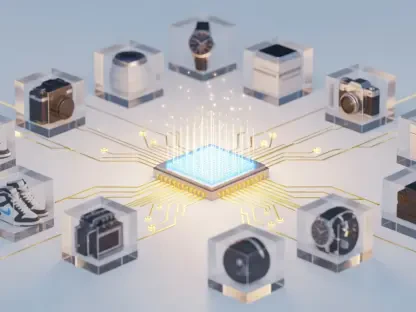

Millions of discarded smartphones and tablets currently gathering dust in kitchen drawers across the United States represent a more concentrated source of precious metals than the richest geological deposits on the planet. While traditional mining requires carving out massive pits and displacing tons of earth to find a few grams of gold, the average American household sits on a literal gold mine that remains largely untapped. This staggering volume of electronic waste represents a missed opportunity for a nation currently grappling with a looming resource crisis and a transition toward a high-tech, electrified economy.
Every year, millions of tons of gadgets are tossed aside, containing high-grade concentrations of gold, lithium, and cobalt. These materials are essential for the production of everything from medical devices to aerospace components. The question facing the industrial sector is no longer whether the United States possesses the physical materials to fuel a technological future, but whether the nation has the economic ingenuity to reclaim them from its own waste stream. Urban mining offers a path to bypass the environmental and logistical hurdles of traditional extraction by utilizing the “ore” already present in urban centers.
The Treasure Hidden in America’s Junk Drawers
The scale of the mineral wealth sitting in residential storage is difficult to overstate. A single ton of circuit boards can contain up to 800 times more gold than a ton of raw gold ore extracted from the ground. Despite this density, the current recovery rate for consumer electronics remains abysmal. Most Americans view an old tablet as a piece of clutter rather than a strategic asset, leading to a massive accumulation of wealth that is effectively buried in suburban basements and city landfills.
Tapping into this domestic reservoir requires a shift in the fundamental perception of waste. Instead of viewing the end of a device’s life as a disposal problem, industrial strategists are beginning to see it as a primary source of raw materials. This shift is particularly urgent as the global demand for electronics continues to outpace the discovery of new mineral deposits. By reclaiming materials from discarded tech, the domestic manufacturing sector could theoretically insulate itself from the price volatility and scarcity that define the global commodities market.
The Triple Threat of the E-Waste Epidemic
As the United States accelerates its transition toward a green, electrified economy, the demand for critical minerals is reaching unprecedented levels. This surge in demand has exposed a dangerous reliance on foreign supply chains, but the unchecked growth of electronic waste creates a more immediate domestic crisis. E-waste is currently the fastest-growing solid waste stream on the planet, generating a “triple threat” that impacts environmental health, public safety, and national security simultaneously.
The ecological toll is perhaps the most visible aspect of this crisis. Aging electronics are not inert objects; when left in landfills, they eventually leak toxic heavy metals such as lead and mercury, along with hazardous chemicals, into the soil and groundwater. Beyond the environmental damage, degrading lithium-ion batteries represent a significant fire hazard in waste management facilities. Furthermore, by failing to recover these minerals, the United States effectively exports its wealth, remaining tethered to geopolitically volatile regions for the components essential to its defense and energy infrastructure.
Breaking the Economic Bottleneck of Urban Mining
The primary barrier to a functional circular mineral economy is not a lack of sophisticated recycling technology, but rather a fragmented and dysfunctional marketplace. Current research from the University of Houston has pinpointed exactly why the “urban mine” has remained largely shuttered despite its undeniable value. The industry is currently split between original equipment manufacturers, independent collectors, and material recovery firms that often view each other as rivals rather than partners in a unified system.
Under this fragmented model, the high costs associated with collecting, transporting, and processing millions of scattered devices often outweigh the immediate market value of the recovered materials. When manufacturers and recyclers compete for the same waste stream without a coordinated strategy, the resulting inefficiencies turn large-scale recovery into a financial “losing bet” for private enterprise. This economic bottleneck ensures that even as the technology for mineral extraction improves, the actual flow of materials back into the production cycle remains a trickle.
Game Theory: A Blueprint for Mineral Sovereignty
To move beyond the current stalemate, researchers have introduced a transformative approach based on game-theoretic modeling to align the interests of all stakeholders in the recycling chain. This mathematical framework provides a roadmap for manufacturers and recyclers to share both the financial burdens and the eventual rewards of mineral recovery. By shifting the focus from individual profit to ecosystem health, this model seeks to turn e-waste collection into a sustainable, long-term business strategy.
Led by Associate Professor Jian Shi and supported by the U.S. Department of Energy, this research suggests that integrated recycling is the only viable path to meet the demand for the electric vehicle transition. The game-theory approach incentivizes collaboration by ensuring that every player in the chain—from the company that builds the phone to the plant that extracts the cobalt—benefits from the successful recovery of the material. This creates a self-sustaining loop that prioritizes domestic mineral sovereignty over short-term competitive advantages.
Strategies for Building a Domestic Circular Economy
Transforming the United States into a mineral-independent nation requires moving from theoretical models to practical, large-scale application. Implementing integrated supply chains is the first step, moving away from “dual-channel” systems where different entities work at cross-purposes. By creating a unified flow of materials from the consumer back to the recovery plant, the industry can reduce overhead costs and maximize the volume of materials kept within the domestic borders.
Prioritizing the recovery of cobalt and lithium is essential to insulate the domestic electric vehicle industry from global supply shocks. Strategic incentives, guided by the University of Houston’s coordination model, could help policymakers draft regulations that encourage industry-wide partnership over cutthroat competition. Ultimately, using urban mining as a primary tool decreases the need for destructive terrestrial mining operations, preserving the natural environment while securing the technological future of the nation.
The research conducted by the University of Houston provided a definitive look at how the United States could reclaim its industrial independence. It was determined that the integration of the supply chain was the most critical factor in making urban mining a reality. Experts realized that the “junk” stored in homes was not a burden to be managed, but a strategic reserve to be protected. By applying mathematical models to human incentives, the study established a foundation for a future where the nation’s mineral needs were met by its own past consumption. This shift in perspective offered a clear path toward long-term economic resilience and environmental stewardship.