
Prominent European investors including Bitpanda founder Eric Demuth have backed a new initiative designed to ensure musicians are compensated when AI uses their work. This move signals a significant shift in how the creative industry views machine learning, transforming a potential threat into a structured economic opportunity. Founded by acclaimed DJ and producer Reinier Zonneveld, the startup GasLab—formally known as the Generative AI Solutions Lab—recently finalized a $1 million pre-seed funding round. The investment group, which also includes Bas Beerens of WeTransfer, aims to stabilize a volatile market where artistic intellectual property often vanishes into the black box of training data. As the music world grapples with the proliferation of unauthorized synthetic voices and melodies, GasLab offers a structured alternative. This platform isn’t just another tool for generation; it is a comprehensive ecosystem designed to bridge the widening gap between rapid technological advancement and the fundamental legal rights of creators globally.
Bridging the Economic Gap in Creative Industries
The current landscape of generative artificial intelligence has often been characterized by a “scrape first, ask later” mentality that leaves original rights holders sidelined. GasLab seeks to dismantle this exploitative framework by implementing an end-to-end music system that prioritizes consent and financial participation from the outset. Unlike legacy models that rely on massive datasets of copyrighted material without attribution, this new architecture operates on a foundation of ethical data sourcing. By partnering with musicians and record labels, the platform ensures that the data used to train its models is both legal and properly licensed. This approach addresses the core anxiety of modern artists who fear that their unique styles and compositions will be commodified by machines without any return on their creative investment. Consequently, the startup is positioning itself as a vital ally for the music industry, fostering a culture where innovation does not come at the expense of human livelihood or artistic integrity.
Beyond simple licensing, the initiative targets the systemic “attribution and compensation gap” that has plagued the digital era since its inception. By formalizing the relationship between AI-generated outputs and their human inspirations, GasLab provides a clear path for labels to monetize their catalogs in the age of synthetic media. This model transforms the act of AI training from a legal liability into a legitimate revenue stream, allowing rights holders to participate in the burgeoning market for algorithmically generated content. The strategy is particularly relevant for independent artists who lack the legal resources to challenge major tech firms over copyright infringement. By embedding compensation directly into the software’s operational workflow, the platform removes the burden of manual tracking and litigation. This shift ensures that as the volume of AI-produced music grows between 2026 and 2030, the financial benefits are distributed fairly across the entire ecosystem rather than being concentrated solely in the hands of technology developers.
Technical Innovation: The Digital Notary System
At the heart of this technological breakthrough lies the proprietary “Digital Notary” engine, a sophisticated attribution system that monitors the lineage of every sound produced. When a user interacts with the AI to generate a new track, this engine performs a real-time comparison against a comprehensive library of music provided by participating rights holders. The system is capable of identifying specific musical nuances, from harmonic structures to rhythmic patterns, that have influenced the final result. Each piece of content generated by the platform is assigned a permanent digital identification and an invisible watermark that persists through various audio formats and distribution channels. This linkage connects the synthetic output directly to the original creators at both the master recording and publishing levels. Such a level of granularity ensures that whenever a generated song achieves commercial traction or is streamed on public platforms, the underlying human contributors are automatically recognized. This automated verification process effectively eliminates the ambiguity that often surrounds AI-generated creative works.
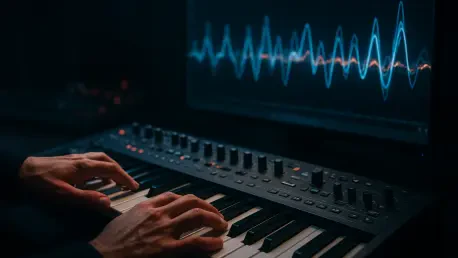
The practical application of this technology has already been demonstrated through the R2 model, a personalized artificial intelligence developed by Zonneveld himself. As a classically trained pianist with an extensive background in economics and mathematics, Zonneveld has spent nearly a decade refining machine learning algorithms to complement human performance. In recent live settings, he has pioneered “back-to-back” sets where he performs alongside the AI, allowing the machine to react and evolve in response to his physical instrumentation. This proof of concept illustrates that the technology is not meant to replace the artist but to act as a sophisticated extension of their creative identity. By utilizing former Uber general manager Thijs Emondts and technical lead Cas Luuring, the leadership team has successfully translated these artistic experiments into a scalable business model. The R2 model serves as a benchmark for how individual performers can train their own proprietary systems, ensuring that even as they embrace digital tools, their signature sound remains protected and strictly within their own financial and creative control.
Establishing New Standards for Artist Sovereignty
Transitioning from development to practical implementation, the platform is now entering an exclusive private testing phase involving a curated group of labels and performers. This stage is critical for refining the user interface and ensuring that the revenue distribution protocols function seamlessly across different international jurisdictions. Invitations have been extended to stakeholders who are committed to a future where creative rights are non-negotiable. The goal is to establish a global standard for the industry, moving away from fragmented, reactive policies and toward a unified, proactive framework. As more musicians integrate their catalogs into the GasLab ecosystem, the database will become a robust repository of authenticated human creativity that powers high-quality, ethical AI outputs. This collective approach encourages a collaborative atmosphere where the growth of one artist’s influence through AI can provide secondary benefits to others. The move toward this controlled environment represents a departure from the chaotic proliferation of “deepfake” audio that has recently threatened to undermine the credibility of digital music marketplaces.
The launch of this initiative established a definitive roadmap for resolving the tension between technological progress and intellectual property rights. By prioritizing a “creator-first” philosophy, the project demonstrated that it was possible to build powerful generative tools without bypassing the ethical requirements of attribution. Industry leaders were encouraged to move beyond mere resistance to AI and instead focus on implementing robust tracking technologies like the Digital Notary. Moving forward, the most effective strategy for musicians will involve early adoption of platforms that offer transparent revenue-sharing models. It is essential for labels to conduct thorough audits of their digital assets to ensure they are prepared for integration into authenticated AI training programs. By taking these proactive steps, the music community can ensure that human creativity remains the central pillar of the industry. The success of such systems depends on a widespread commitment to transparency, which will ultimately dictate the sustainability of the creative arts in an increasingly automated world. Stakeholders must now prioritize these ethical frameworks to safeguard the economic future of the next generation of performers.