
Modern content creators have already produced more than 13 million seconds of digital media using Honor’s previous systems, proving that the appetite for mobile storytelling is reaching an all-time high. With the arrival of the Honor 600 series on April 23, the industry is moving beyond basic image filters toward a sophisticated, unified multi-modal video generation model. This new hardware allows high-definition cinematic clips to be rendered entirely on the device, transforming simple text prompts into fluid motion without a second of lag.
A New Benchmark in Handheld Content Creation
The mobile landscape is shifting from passive consumption to active, AI-assisted production that rivals professional studios. By launching the Honor 600 series, the brand has established a new standard where the smartphone serves as a primary creative engine. Instead of just editing existing footage, the device now synthesizes entirely new visual sequences from a mix of text and static images, providing a level of creative freedom previously reserved for desktop workstations.
This leap in capability addresses the growing demand for high-quality social media content that can be produced in seconds rather than hours. The integration of advanced generative models into a handheld format means that anyone can produce professional-grade clips on the go. This shift marks a significant milestone in how users interact with their devices, turning every owner into a potential director.
The Shift: From Cloud Reliance to On-Device Intelligence
For years, the heaviest lifting in artificial intelligence happened on remote servers, which often compromised user privacy and required a stable internet connection. The Honor 600 series disrupts this dependency by moving complex processing into the local silicon of the phone. This transition ensures that sensitive data stays on the device while eliminating the latency issues that typically plague cloud-based generative tools.
Moreover, this local approach enables a more responsive and reliable user experience, regardless of signal strength. By processing text, image, and video inputs simultaneously within the phone’s internal architecture, Honor facilitates a seamless workflow. This trend toward independent intelligence suggests a future where high-speed AI functions as a fundamental, offline feature of modern mobile life.
Core Innovations: The AI Image to Video 2.0 Model
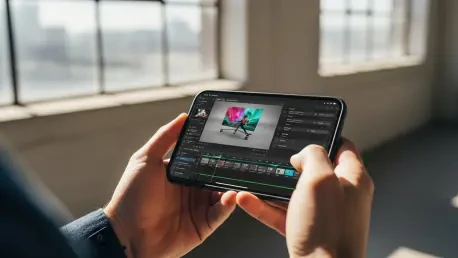
The technical centerpiece of this series is the AI Image to Video 2.0 model, which empowers users to generate short video clips through natural language commands. By providing up to three reference images, a person can guide the AI to “fill in the blanks,” creating a logical progression between specific visual points. This system offers a precise balance between the user’s intent and the machine’s creative interpretation.
Beyond simple animation, the model understands the nuances of text-based instructions to dictate specific character actions or environmental changes. This flexibility allows for the creation of unique, 3-to-8-second sequences that maintain the visual integrity of the original source photos. It represents a sophisticated fusion of traditional photography and futuristic motion synthesis.
Overcoming the Technical Hurdles: Mobile Generative AI
One of the most persistent issues in AI-generated video has been visual instability, where objects often warp or lose their shape during camera movements. Honor addresses this “glitching” phenomenon through a technology known as multi-angle subject construction. This system maintains the structural coherence of objects even when the perspective shifts rapidly, ensuring that the final output looks intentional and polished.
By prioritizing visual stability, the Honor 600 series manages to produce content that feels authentic rather than like a digital artifact. This focus on technical refinement is crucial for creators who need their work to stand up to professional scrutiny. It solves a primary pain point in the generative landscape, bringing mobile video production closer to the quality of traditional cinematography.
A Practical Guide: Mastering Honor’s AI Video Tools
To maximize the potential of these tools, the Honor 600 and 600 Pro include a physical hardware shortcut designed for instant access. This dedicated AI Button allows users to jump straight into the generation interface, making it easier than ever to archive memories or post to social platforms. Such physical integration highlights how central artificial intelligence has become to the overall design of the smartphone.
Furthermore, the software includes pre-loaded cinematic templates that automate complex camera movements like the “Hitchcock zoom.” By using reference-based sequencing, creators can define a clear start and end point, letting the AI handle the difficult task of pathing and motion. These strategies shifted the focus from technical struggle to pure creative output, ensuring that the next generation of mobile video was limited only by the user’s imagination.