
The transition from speculative artificial intelligence to the foundational integration of deep learning architectures has fundamentally restructured the economic and scientific landscape of drug development in 2026. While the previous decade was defined by cautious experimentation and small-scale
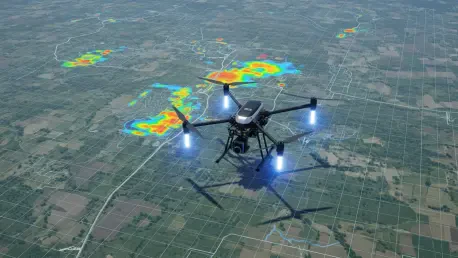
As a doctoral researcher in the Imaging Science Department at the Rochester Institute of Technology, I specialize in bridging the gap between advanced remote sensing and the critical humanitarian need for safer land mine clearance. My work focuses on integrating multisensor drone platforms with
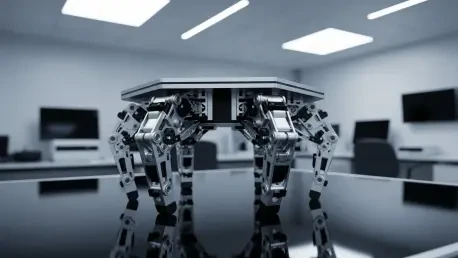
Achieving sub-micrometer precision across expansive workspaces has long remained the elusive goal for engineers who found themselves trapped between the rigid limitations of stationary stages and the inherent inaccuracy of mobile robotic platforms. The emergence of the Holonomic Beetle (HB)
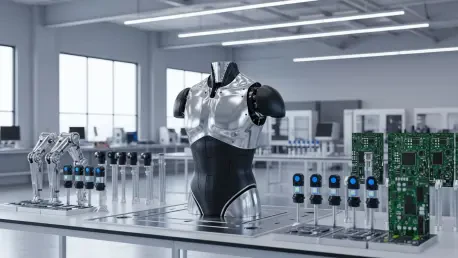
The sudden transition from specialized industrial machinery to versatile humanoid systems marks a fundamental transformation in how global economies approach high-value manufacturing and labor automation. This shift is no longer a speculative venture but a concrete industrial reality as European
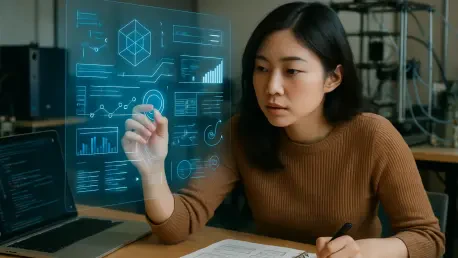
The traditional boundary separating the meticulous logic of computer science from the fluid expression of fine art is dissolving as a new generation of practitioners redefines the essence of digital craftsmanship. Cole Lee emerges as a quintessential figure in this transformation, having navigated
The release of GPT-5.4 on March 5, 2026, represents a transformative moment in artificial intelligence where the boundary between software and its operator begins to vanish into a single, unified digital intelligence. This latest iteration from OpenAI does not simply offer incremental updates but