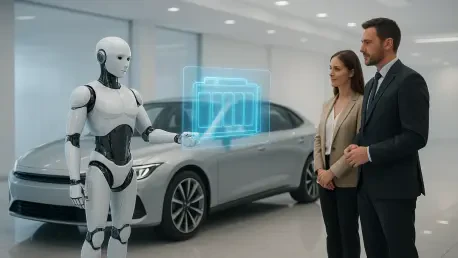

Xiao Di uses advanced facial and gesture recognition to interact with showroom visitors, offering a level of personalized service that traditional retail methods currently struggle to match. As the global automotive market enters a new phase of saturation in 2026, the necessity for a distinct brand identity has led giants like BYD to explore the intersection of mobility and high-end robotics. This transition involves more than just a decorative novelty; it represents a fundamental shift in how consumers perceive vehicle purchasing and service interaction. By embedding humanoid assistants into the retail floor, the company aims to bridge the gap between digital convenience and physical presence. These robots are programmed to navigate the showroom with a fluid gait, guiding potential buyers to specific models based on real-time data analysis. This technological integration serves as a tangible demonstration of the brand’s commitment to future-proof design principles.
Bridging the Gap: The Evolution of Customer Interaction
The deployment of specialized robots within the automotive sector marks a departure from the static kiosks that have characterized digital sales floors for years. Unlike these stationary tools, humanoid assistants can observe a visitor’s body language and adjust their communicative tone to ensure a comfortable atmosphere. For instance, if a customer shows interest in the aerodynamic features of a new electric sedan, the robot can immediately display technical specifications via a holographic projection while articulating the benefits of battery efficiency. This synergy between physical movement and deep learning allows for a dynamic presentation that static displays cannot replicate. Furthermore, the ability of these machines to work continuously without fatigue ensures that every guest receives a high-quality introduction to the brand’s ecosystem. This reliability is becoming a cornerstone of modern retail strategy, where consistency across global dealerships is a primary goal.
Beyond mere information delivery, these robotic units provide a significant amount of data-driven insight that helps sales teams fine-tune their approach. Every interaction is logged and analyzed to identify which vehicle features are capturing the most attention and where customers tend to lose interest. In the current landscape from 2026 to 2028, this granular data collection will be vital for refining marketing strategies and inventory management on a local scale. Instead of relying on anecdotal evidence from floor staff, management can access hard metrics regarding customer engagement levels. This allows for the optimization of floor layouts and the proactive adjustment of promotional materials to better align with actual consumer behavior. The humanoid form factor also helps in demystifying complex technology, as the robot acts as an approachable medium for explaining autonomous driving systems. This role as a tech translator is crucial for building consumer trust.
Strategic Evolution: Beyond the Novelty Phase
The operational benefits of integrating humanoid robotics extended deep into the logistical framework of the dealership. By automating repetitive tasks such as initial greetings and basic specification overviews, human sales associates were freed to focus on high-value negotiations and complex financial arrangements. This reallocation of human talent maximized the efficiency of the workforce, ensuring that high-level expertise was applied where it was most needed. Moreover, the integration of these robots with the company’s broader cloud infrastructure allowed for real-time inventory updates and synchronization with management systems. If a specific trim level was unavailable at a branch, the robot instantly located the nearest alternative or scheduled a test drive. This level of connectivity reduced friction in the buyer’s journey, shortening the sales cycle while maintaining a high standard of professional service quality throughout the process.
Moving forward, the focus shifted toward deepening the emotional intelligence of these systems to foster long-term loyalty. Successful organizations discovered that enhancing the ability of machines to recognize subtle emotional cues was the next frontier in creating truly empathetic retail environments. Dealerships that integrated localized linguistic capabilities and cultural nuances into the robot’s programming better served diverse global markets. Furthermore, the exploration of telepresence features allowed specialized remote consultants to handle complex queries by merging global expertise with local physical presence. Investing in a resilient maintenance infrastructure was critical to ensure that these advanced systems remained operational and effective. Ultimately, the success of this initiative depended on the ability to maintain a balance between high-tech efficiency and the irreplaceable value of human connection in the final stages of a high-value vehicle purchase.