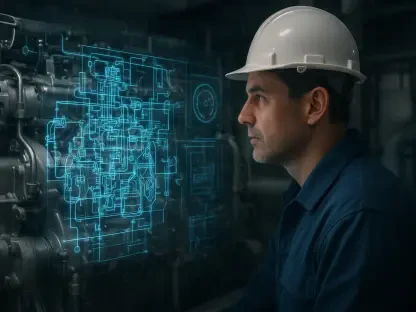

Segmented network architecture is now standard practice to isolate engine control units from secondary telemetry hardware and prevent external interference. While the visceral roar of a combustion engine or the high-pitched whine of an electric motor still defines the sensory experience of racing, the actual competitive hierarchy is increasingly dictated by the invisible flow of packets across high-bandwidth wireless links. The modern racing machine has transitioned from being a masterpiece of mechanical engineering into a sophisticated, interconnected sensor platform that generates several gigabytes of data over the course of a single weekend. This digital metamorphosis means that every millisecond of lap time is scrutinized by distributed computing systems long before the car crosses the finish line. As teams navigate this landscape, the distinction between a software engineer and a race mechanic has blurred, creating a multidisciplinary environment where coding efficiency is as vital as the structural integrity of the chassis.
Digital Transformation: Evolution of the Vehicle into a Dynamic Data Hub
Modern racing vehicles now serve as high-speed laboratories, outfitted with hundreds of miniature sensors that capture a staggering array of telemetry points in real-time. These components monitor internal combustion dynamics, battery discharge rates, and aerodynamic pressures with a level of precision that was previously impossible. This constant stream of telemetry allows trackside engineers to visualize the car’s physical state through a digital twin, providing a comprehensive view of how the vehicle interacts with the tarmac and the surrounding air. By analyzing these variables, teams can identify specific areas where the car is losing performance, such as excessive tire degradation or suboptimal suspension travel. This granular visibility transforms the driver’s subjective feedback into objective metrics, allowing for instantaneous adjustments that can shave tenths of a second off a lap. The car is no longer just a vehicle; it is a live diagnostic tool that communicates its own health and performance needs through a sophisticated digital language.
The integration of these sensor networks has revolutionized the concept of reliability and predictive maintenance within the paddock. Instead of waiting for a component to fail, engineers utilize sophisticated edge computing to detect early signs of mechanical fatigue or thermal instability while the car is still at full throttle. This proactive approach allows the pit crew to prepare specialized solutions before the car even enters the lane, minimizing downtime and preventing catastrophic engine blowouts. Furthermore, the ability to correlate sensor data with environmental factors like track temperature and humidity provides a broader context for performance optimization. As the race progresses from 2026 into 2027, the focus is shifting toward even more resilient sensor arrays that can withstand extreme G-forces and vibrations without losing calibration. This resilience ensures that the data remains accurate throughout the most grueling endurance tests, solidifying the role of the vehicle as a dynamic hub for continuous technical innovation.
Strategic Intelligence: Algorithmic Precision in Race Management
Artificial intelligence has moved from a peripheral support tool to the central nervous system of modern race strategy. In the high-pressure environment of the pit wall, algorithms process millions of data points every second to simulate thousands of potential race scenarios. These models evaluate everything from fuel consumption and tire wear to the probability of a safety car deployment based on historical incident rates. By leveraging machine learning, teams can predict the optimal lap for a pit stop with surgical precision, ensuring the driver returns to the track in a position that maximizes their ability to overtake or defend. This computational foresight eliminates much of the guesswork that once defined the sport, replacing gut instincts with data-driven certainty. The result is a more calculated form of competition where the strategic maneuvers are as exciting as the physical passes on the track. This evolution represents a fundamental shift in how races are won, prioritizing mental and computational agility over brute force.
In the realm of hybrid and electric propulsion, the role of automated energy management has become a decisive factor in securing podium finishes. Specialized software now manages the intricate balance between energy harvesting under braking and deployment during acceleration phases to ensure maximum efficiency over a full race distance. These systems are programmed to adapt to specific circuit layouts, optimizing the power delivery for long straights or tight corners without requiring manual intervention from the driver. This level of automation allows the human behind the wheel to focus entirely on racing lines and defensive positioning, while the underlying code manages the complex thermodynamics of the powertrain. As we move from 2026 toward 2028, these algorithms are expected to become even more autonomous, learning from the driver’s unique style to provide a personalized performance envelope. This synergy between human intuition and machine precision is creating a new era of motorsport where the software is just as influential as the physical components it controls.
Future Infrastructure: Security Protocols and Digital Engagement
The surging reliance on wireless telemetry has necessitated a robust approach to cybersecurity, as the data being transmitted represents a team’s most valuable intellectual property. Protecting these data streams from interception or manipulation is a paramount concern, leading to the implementation of military-grade encryption and secure private networks within the circuit. A breach in these systems could not only reveal secretive aerodynamic maps or fuel strategies to competitors but could also pose a significant safety risk if the car’s electronic control systems were compromised. Consequently, dedicated cybersecurity experts are now permanent members of the engineering staff, monitoring for unauthorized access and ensuring the integrity of the communication pipeline. This defensive posture is a testament to the high stakes of the digital arms race, where the protection of information is considered just as important as the car’s weight or downforce. As the technology continues to mature, the focus remains on building impenetrable architectures that can survive the hostile electronic environments of global racing.
Looking back at the recent developments, the industry successfully transitioned to a model where data integrity and fan engagement are inextricably linked. The conclusion of this technological shift saw teams move toward hyper-transparent platforms that allowed spectators to access the same telemetry dashboards used by professionals. This move required a massive overhaul of cloud infrastructure to handle the simultaneous demands of race operations and global broadcasting. For the future, organizations should prioritize the standardization of data formats to facilitate better cross-platform integration and enhance the scalability of real-time analytics. Investing in low-latency satellite communication will also be crucial for maintaining connectivity at remote circuits where traditional infrastructure is lacking. By fostering an environment of continuous digital refinement, the sport can ensure its longevity and relevance in an increasingly connected world. The focus must now remain on refining these digital tools to create a more immersive and secure experience for everyone involved in the high-stakes world of modern racing.