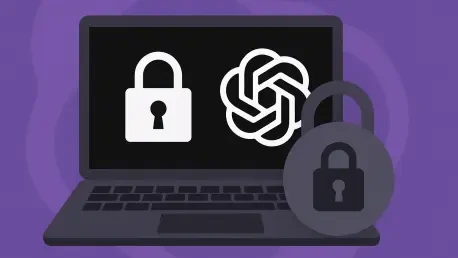

The global landscape of digital security has undergone a radical transformation as organizations realize that generative artificial intelligence can act as both a catalyst for innovation and a silent conduit for the exfiltration of high-value intellectual property. As 2026 progresses, the demand for sophisticated defensive mechanisms has reached a boiling point, necessitating the release of specialized restricted environments that effectively sever the link between internal corporate queries and external model development. This new era of digital safety is defined by the implementation of a lockdown configuration designed specifically to prevent the unauthorized scraping or accidental leakage of trade secrets. By isolating user interactions within a fortified perimeter, these advancements address the critical concerns of chief information security officers who have long feared the repercussions of sensitive data being absorbed into the collective intelligence of global models.
Strengthening the Perimeter: The Architecture of Lockdown Mode
Isolating Enterprise Workspaces: Protection Against External Telemetry
The structural foundation of this new security layer relies on a complete cessation of data exchange between the local user environment and the broader internet ecosystem during active sessions. When a user activates the restricted operational status, the system creates a cryptographic barrier that prevents any metadata or prompt content from leaving the verified enterprise cloud instance. This approach ensures that even the most complex analytical queries, which may contain sensitive financial forecasts or proprietary source code, remain entirely within the control of the organization’s verified personnel. Furthermore, the protocol disables third-party plugins and external web browsing capabilities that could potentially serve as backdoors for malicious actors looking to bypass standard firewall protections. By restricting these high-risk features, the platform maintains a lean but highly secure operational profile that satisfies the most stringent regulatory requirements.
Transitioning to a high-security posture also involves the implementation of advanced identity verification techniques that tie every AI interaction to a specific, auditable enterprise credential. This ensures that the lockdown mode is not merely a passive filter but an active management system that tracks the movement of information across various departments. Administrators now have the capability to monitor for anomalies in real-time, detecting potential internal threats or misconfigurations before they can be exploited by external entities. The integration of zero-trust architecture within the chat interface means that every request is treated as a potential risk until validated against strict internal policies. This level of granularity in access control allows companies to deploy powerful artificial intelligence tools across their entire workforce without compromising the security of their core assets. Ultimately, this creates a robust ecosystem where productivity can flourish without the risk of failure.
Data Sovereignty: The Elimination of Training Exposure
A primary driver for the adoption of restricted environments is the absolute assurance that no piece of corporate data will ever contribute to the training of future iterations of the model. In the past, companies were forced to rely on vague contractual promises regarding data privacy, but the current implementation utilizes hardware-level isolation to guarantee complete data sovereignty. This means that every input provided to the system is ephemeral by design, existing only within the volatile memory of the specific instance assigned to the corporate user. Once the session concludes or the specific task is finalized, the system executes a secure wipe protocol that removes all traces of the interaction from the temporary storage buffers. This technological safeguard provides a definitive answer to the problem of inadvertent disclosure, as there is no digital mechanism for information to persist beyond its intended utility. It effectively silences the debate over industrial espionage through model inversion.
The successful deployment of these isolation protocols marked a significant milestone in the evolution of professional artificial intelligence, providing a scalable solution to the persistent threat of information theft. Leaders who prioritized the adoption of this lockdown capability secured their internal data pipelines while simultaneously empowering their employees with the most advanced analytical tools available. By following a clear roadmap that included comprehensive audits of AI usage and the establishment of strict data classification policies, organizations mitigated the risks associated with modern digital collaboration. Future developments from 2026 to 2028 will likely build upon this foundation by integrating even more complex encryption standards and automated threat detection systems. The focus shifted toward proactive maintenance and the continuous education of the workforce regarding the importance of maintaining a secure operational posture. This strategic investment ensured that progress did not come at the expense of security.