


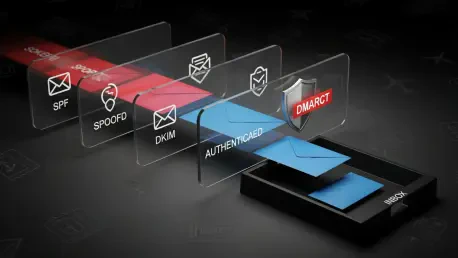

The most dangerous emails landing in fan inboxes this month looked immaculate—perfect logos, polished copy, precise sender names—yet they slipped past defenses because many official partner domains still treated spoofed messages as something to watch, not something to stop.
A wave of hype has fueled social posts, ticket hunts, and travel plans, creating fertile ground for scams that prey on trust. Attackers know that a familiar brand and a believable update can outrun caution, especially when security settings signal caution instead of closure.
Nut Graph
That gap between “almost secure” and truly enforced controls defined the email landscape around the tournament. Proofpoint examined 25 domains tied to sponsors, suppliers, partners, and supporters and found that while 96% published a DMARC record, only 64% enforced the strongest “reject” policy. The rest either quarantined suspicious messages or stayed in monitor mode, a posture that records abuse but often leaves users exposed.
The stakes were larger than inbox clutter. Without strict DMARC enforcement, spoofed emails could mimic ticketing updates, hospitality invoices, travel itinerary changes, or refund notices at scale. As brand communications surged, uneven configurations across agencies, subdomains, and legacy mail streams handed criminals the small cracks they needed.
The Stakes: Why Enforcement Mattered
DMARC depends on SPF and DKIM alignment to authenticate who can send on a domain’s behalf, but only “reject” reliably blocks failures at the mailbox. Monitor or quarantine might inform administrators, yet these modes still allowed many spoofed messages to reach targets—or at least reach junk folders, where urgent-looking subjects could tempt a second look.
Mega-events amplify impersonation because fans expect real-time updates. A single spoof purporting to confirm a “seat upgrade” or “payment verification” can trigger fast, emotional clicks. As one industry refrain put it, “Visibility without enforcement is not protection.” The message was blunt because adversaries engineered around hesitation.
Inside the Numbers
The data told a clear story: 96% adoption showed progress, but the 64% enforcing reject carried the real weight. That left 36% without proactive blocking, and within that slice, 32% used monitor or partial enforcement. In practice, it meant inboxes saw lookalike domains, misaligned senders, and forwarded mail that evaded weak checks.
Security teams often hesitated to flip to reject out of fear that legitimate campaigns would break. Fragmented ownership across marketers, agencies, and regional vendors complicated alignment. Legacy tools failed to DKIM-sign. SPF records ballooned until they hit lookup limits. Each edge case became a reason to delay, even as attackers moved quickly.
How It Played Out
Consider a fan who had joined a hospitality waitlist and then received a “confirmation” from a domain that differed by a single character. The email passed casual inspection and mirrored brand tone. DMARC in monitor mode logged the impersonation, but the message still reached the inbox, where a slick invoice link harvested payment details within minutes.
Security leaders echoed a consistent judgment. “A DMARC record is table stakes,” one consultant said, “but reject is the gate.” Another cautioned that quarantine created a false sense of safety: “If users can still retrieve the message, the phish lives.” Their advice centered on disciplined inventory of all senders and strict DKIM alignment to reduce SPF fragility across forwarding and shared infrastructure.
What Progress Looked Like
Teams that moved decisively outlined every mail stream—corporate, marketing ESPs, CRM blasts, ticketing, support, and niche tools—then required DKIM signing with strict alignment. They advanced from monitor (p=none) to selective quarantine using pct controls, fixed misaligned senders week by week, and finally set reject at the apex and critical subdomains. Exceptions, once justified as temporary, were closed on a schedule.
Governance drove consistency. Contracts with agencies mandated DKIM alignment, change control blocked launches without authentication, and abuse mailboxes were staffed to triage DMARC reports. When enforcement took hold, brands unlocked BIMI logos in the inbox, signaling authenticity and shrinking the space for lookalike lures.
Conclusion
The lesson had been straightforward: adoption without enforcement left openings that adversaries eagerly filled. Partners that inventoried senders, aligned DKIM, and phased to reject cut off the easiest spoofing paths and reduced legal and reputational exposure. The next steps were plain—treat DMARC reports as operational telemetry, measure alignment rates and time-to-fix, rehearse spoofing exercises before major campaigns, and keep subdomains under the same discipline as the apex. Moving from visibility to control set the tone for trust, and those who acted early met fan expectations where it counted most—the moment a message arrived.







