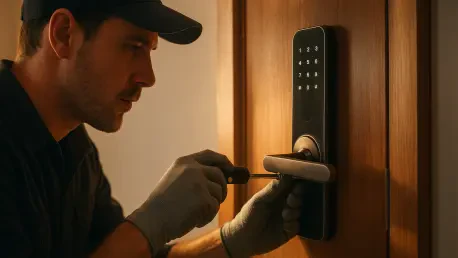

A professional installation tier could help Apple overcome the hurdles that prevent less tech-savvy users from adopting advanced home security technology. For many homeowners, the prospect of drilling into exterior walls, rewiring low-voltage doorbells, or configuring mesh networks remains a significant barrier to entry. While enthusiasts enjoy the DIY nature of current ecosystems, a substantial segment of the market prefers a “white-glove” experience where hardware is guaranteed to function upon departure. As modern households move from simple smart bulbs to integrated safety systems, the demand for reliability has surged. Apple appears poised to address this by leveraging a partnership that bridges the gap between premium silicon and physical labor. The upcoming “Welcome Home” event in New York is expected to showcase not just new hardware, but a comprehensive service model designed to ensure every Siri-enabled lock is installed with precision and professional care.
Professional Operational Shifts
Technical Staffing Logistics
Recent activity within the security industry points toward a coordinated effort to prepare for a major ecosystem launch. Since the middle of this year, ADT has ramped up recruitment of specialized low-voltage technicians across major metropolitan areas in the United States. Unlike standard field roles, these positions reportedly involve stringent nondisclosure agreements and a peculiar shift in corporate equipment. Technicians have been issued iPhones for their daily operations, a sharp departure from the Android-based mobile platforms typically utilized by the company’s broader workforce. This change suggests a need for deep familiarity with the iOS ecosystem and HomeKit frameworks ahead of a new product cycle. Furthermore, internal briefings for these specialized teams were recently rescheduled from September to mid-October, aligning with the anticipated unveiling of a new home hub designed to serve as the central nervous system for modern smart residences in a seamless way.
Strategic Device Integration
The hardware at the center of this collaboration is rumored to be a sophisticated, wall-mounted display that integrates Siri with advanced home control features. Unlike previous iterations of smart home controllers, this device requires permanent installation and stable power, necessitating the expertise of professional installers. By utilizing ADT’s nationwide network of technicians, the setup process for complex peripherals like LG smart locks and high-end thermostats becomes seamless for the end user. This strategy mirrors successful models where professional support minimizes product returns and increases long-term customer satisfaction. The technicians serve as both installers and educators, ensuring that users understand how to manage their secure enclaves through the Home app. This hands-on approach is critical for the adoption of sophisticated security, as it replaces troubleshooting with the assurance of a professionally verified and highly reliable configuration.
Market Integration Standards
The potential alliance represented a significant shift in the competitive landscape of home automation and security monitoring. As industry leaders analyzed these developments, the focus moved toward establishing standardized protocols for professional installation that prioritized user privacy. Organizations sought to integrate these services into their existing membership tiers, ensuring that premium hardware was matched with elite technical support. Stakeholders eventually recognized that the bridge between consumer electronics and professional security required a unified approach to physical infrastructure. For those looking to implement similar systems, the emphasis remained on selecting platforms that offered both hardware longevity and verified installation paths. This evolution suggested that the most successful smart home implementations were those that treated physical setup with the importance of software, leading to a more stable and highly accessible market for all consumers.