
The convergence of premium consumer electronics and industrial-grade electrical engineering has reached a definitive peak with the debut of Apple’s collaborative smart home hardware. This expansion of the ecosystem represents a significant departure from previous years, as the company moves away from a simple “compatible with” model toward a deep-level co-development strategy. Industry observers note that by partnering directly with LG and Schneider Electric, Apple is effectively embedding its design philosophy into the very circuitry of the home.
Technical analysts suggest that this shift marks a pivotal moment for the industry, as it addresses the long-standing fragmentation that has plagued smart device adoption. Instead of relying on generic connectivity, these new devices are engineered to leverage the full potential of Apple’s silicon and software. This ensures that every component functions as a natural extension of the user’s mobile and desktop environment rather than a bolted-on accessory.
A preview of the collection reveals how unified protocols like Matter and Thread are finally delivering on the promise of a frictionless user experience. By standardizing the communication layer, Apple and its partners have eliminated the lag and unreliability that often define multi-brand setups. This technical foundation allows for a level of responsiveness that was previously impossible, creating a home environment that anticipates the needs of the occupant in real time.
Dismantling the Complexity of the Smart Home Landscape
The Death of the Third-Party App: Native Integration as a Standard
One of the most praised aspects of this new collection is the total bypass of fragmented manufacturer apps. For years, users have struggled with a “digital junk drawer” of various applications required to update firmware or change basic settings. Experts highlight that by centralizing all control within the native Home app and Siri, Apple has removed the primary source of friction in residential automation.
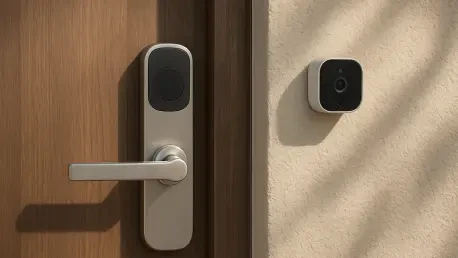
The technical significance of Ultra Wideband technology in the LG Smart Deadbolt is another standout feature for those seeking true hands-free entry. By utilizing the Aliro standard, the lock can detect an authorized iPhone or Apple Watch from several feet away, preparing the mechanism for an instant unlock. This level of precision prevents the false triggers often associated with Bluetooth or GPS-based geofencing.
Furthermore, this collection sets a necessary precedent for cross-industry collaboration by addressing the challenge of brand silos. When hardware giants like LG and Schneider Electric adopt Apple’s interface standards, they validate a world where the consumer no longer needs to choose between brand loyalty and functional utility. This move effectively forces the market to prioritize the user experience over proprietary software ecosystems.
Redefining Residential Security Through the Lens of Privacy
Security experts have taken a keen interest in the LG camera lineup, which offers 2.5K AI-driven recognition. These devices are designed to distinguish between pets, people, and packages entirely through local processing. By keeping the analytical heavy lifting on the device or a local home hub, Apple ensures that sensitive visual data is never exposed to cloud-based vulnerabilities during the identification process.
Leveraging iCloud+ for storage is a strategic move that disrupts the traditional subscription-heavy business models of many security firms. Many users find the lack of additional monthly fees for “premium” features like facial recognition to be a major selling point. This approach aligns the hardware’s value with the existing Apple ecosystem, making the high entry price of the hardware more palatable over several years.
However, the trade-off remains the premium hardware cost, which some argue might limit the collection’s reach. Despite this, the long-term value of end-to-end encrypted data is becoming a priority for a growing segment of the population. In an era where data breaches are common, the assurance that video footage remains accessible only to the owner provides a level of peace of mind that low-cost competitors rarely offer.
Climate Intelligence and the Optimization of Home Energy
In the realm of environmental control, the “Adaptive Temperature” logic found in the new LG and Schneider thermostats represents a shift toward more intelligent automation. Rather than following a rigid schedule, these devices analyze real-time occupancy data to eliminate domestic “cold spots.” This ensure that energy is only expended when and where it is actually needed, rather than heating or cooling empty rooms.
Occupancy-based automation plays a critical role in reducing energy waste, aligning the collection with global sustainability trends. Efficiency advocates point out that even minor adjustments in climate control can lead to significant reductions in a household’s carbon footprint. By making these adjustments autonomous, the collection removes the burden of manual management from the user, ensuring efficiency is maintained without constant oversight.
This focus on autonomous environmental adjustments challenges the assumption that smart thermostats are merely glorified remote controls. By integrating standalone room sensors and analyzing historical usage patterns, the system creates a personalized climate profile. This transition from reactive to proactive management defines the next generation of domestic energy optimization.
Navigating the Roadmap: Availability and Regional Dynamics
The rollout of this curated collection is scheduled in phases across North America, the UK, and Canada, continuing through 2027. This deliberate release strategy allows Apple to refine the software integration and ensure local infrastructure can support the advanced Thread networking requirements. It also provides a window for the company to monitor regional adoption patterns before a wider global launch.
Competitors like Google Home and Amazon Alexa are expected to feel the pressure from this high-performance model. While those platforms have traditionally dominated the “low-cost sensor” market, Apple is clearly prioritizing high-margin, high-performance hardware. This distinction suggests that the market is bifurcating between budget-friendly basic connectivity and premium, integrated experiences.
Fresh insights into Apple’s strategy reveal a preference for quality over quantity in the smart home space. By curating a smaller list of high-quality products, the company maintains its brand reputation for reliability. This approach may eventually force other manufacturers to improve their own hardware standards to remain competitive in a market that is increasingly valuing stability and design.
Strategies for Transitioning to a Unified Apple Home Environment
For users looking to migrate from fragmented legacy systems, the transition to the Apple Home Collection requires several essential considerations. It is often recommended to audit existing devices for Matter compatibility to see what can be bridged into the new infrastructure. Starting with core devices like the smart deadbolt or a central thermostat allows for an immediate improvement in the daily user experience.
Optimizing the home network topology is another critical step for ensuring maximum responsiveness. Using Thread-enabled devices creates a self-healing mesh network that is far more reliable than traditional Wi-Fi setups. As more devices are added to the home, the network actually becomes stronger and more stable, reducing the likelihood of “No Response” errors in the Home app.
Maximizing the value of existing hardware, such as the HomePod mini 2, is vital for this new infrastructure. These hubs serve as the brain of the operation, handling local encryption and automation logic without needing a constant connection to external servers. This synergy between old and new hardware ensures that the investment in the Apple ecosystem continues to pay off as new products are introduced.
The Future of Domestic Automation: Privacy as the Ultimate Luxury
The LG and Schneider partnership summarized a new trajectory for the consumer electronics industry by proving that deep integration was possible without sacrificing brand identity. This collaboration demonstrated that the path to a reliable smart home was built on shared standards rather than proprietary hurdles. It successfully moved the conversation from what a device could do to how seamlessly it could do it.
The initiative reaffirmed the importance of local encryption and Private Cloud Compute in a world that felt increasingly surveilled. By prioritizing user privacy at the hardware level, the partners established a new standard for what a luxury home experience should entail. This commitment to data security became the cornerstone of the collection’s appeal to the modern consumer.
Ultimately, this “walled garden” approach appeared to be the definitive solution to the historical reliability issues that hindered the smart home’s growth. The partnership provided a blueprint for how hardware and software could work in perfect unison. It signaled a move toward a future where technology served the home with such transparency that the complexity of the underlying systems effectively disappeared.